
Shrimp Pasta Salad
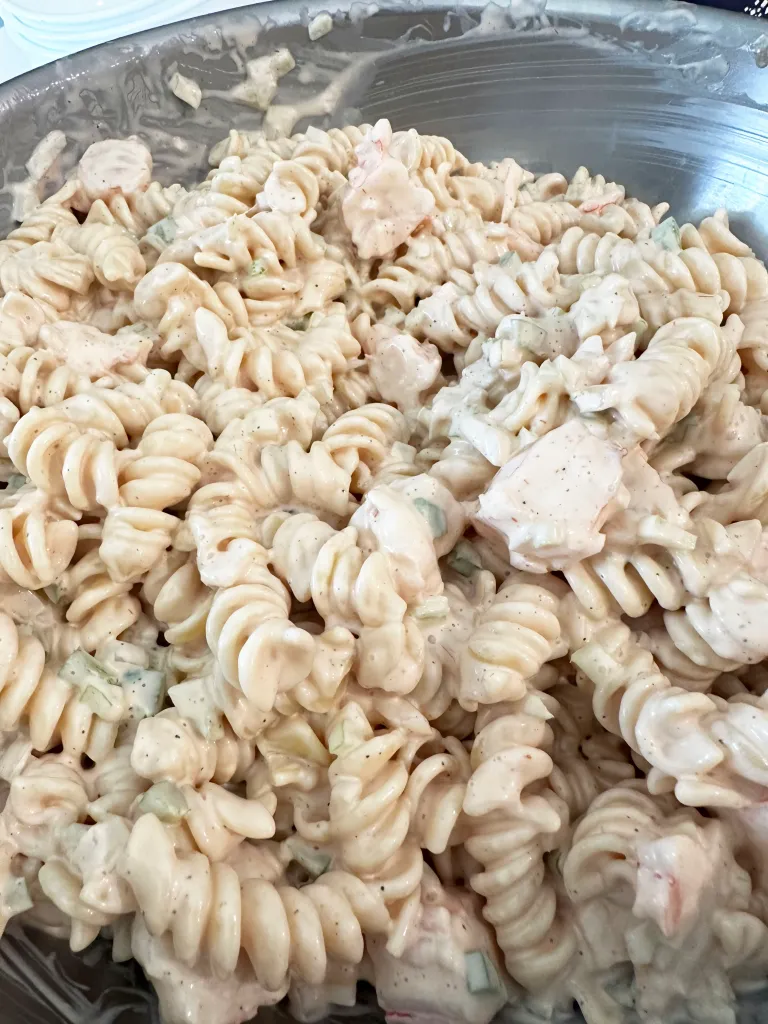
Most people think shrimp pasta salad is a simple dump-and-stir affair. It isn’t. It’s a culinary minefield if you don’t know what you’re doing. You’ve probably had those sad, rubbery shrimp, bland pasta, and a watery dressing that tastes like nothing. That’s not a pasta salad; it’s a tragedy. We’re fixing that, right now. No more compromises. You want a great shrimp pasta salad? Here’s how you get one.
The Truth About Overcooked Shrimp: Just Don’t
Here’s the deal: most of you are cooking shrimp wrong. You throw it into boiling water until it’s curled into a tight C-shape and tough as leather. Stop it. Immediately. Overcooked shrimp is the number one reason your pasta salad is awful. It’s flavorless, chewy, and completely ruins the dish. This is non-negotiable. Shrimp cooks fast, and it needs gentle handling.
You need to cook shrimp quickly and precisely. For medium-sized shrimp (21/25 count), that means about 2-3 minutes total, maybe even less. They should turn opaque pink, not bright red and shriveled. There are three reliable methods, pick one, and stick to it.
Boiling Shrimp for Tenderness
If you boil, do it right. Bring a pot of salted water to a rolling boil. Add your shrimp. Cook for 60-90 seconds. Yes, that’s it. As soon as they turn pink and opaque, pull them out with a slotted spoon. Immediately plunge them into an ice bath for 2 minutes to stop the cooking process. This keeps them tender and prevents them from curling into tight little balls. Drain them thoroughly. Excess water will dilute your dressing. Pat them dry with paper towels.
Sautéing for Flavor
Sautéing provides more flavor, but it’s easy to mess up. Heat a tablespoon of olive oil or butter in a skillet over medium-high heat. Add your shrimp in a single layer. Season with salt and pepper. Cook for 1-2 minutes per side. They should be just pink and slightly opaque. Remove from heat immediately. Don’t let them sit in the hot pan. They’ll keep cooking. Once cool, chop them if your recipe calls for it, but honestly, whole shrimp look better.
Grilling for Char
Grilling adds a fantastic smoky char, perfect for summer salads. Skewer your shrimp, brush lightly with oil, and season. Grill over medium-high heat for 1-2 minutes per side. Again, watch them closely. They’re done when pink and opaque. Don’t walk away from the grill. This isn’t the time for a phone call. Once done, let them cool before adding to the salad.
Generic Tip: Good ingredients make good food. Don’t skimp on fresh, quality shrimp. Frozen is fine, but thaw it properly overnight in the fridge, or quickly under cold running water. Avoid pre-cooked shrimp; it’s almost always overcooked and rubbery. You’re doing this from scratch for a reason.
Your Pasta Choice: Don’t Screw It Up
This isn’t about using whatever’s in the pantry. The pasta shape matters. It needs to hold up to the dressing, grab those tiny bits of shrimp, and not turn into a mushy mess. No spaghetti. No linguine. Those are for hot dishes. We need texture and bite. Aim for short, sturdy shapes with nooks and crannies. Overcooked pasta is as bad as overcooked shrimp. Al dente, always. Period.
Pasta Shape Comparison for Pasta Salad
| Pasta Shape | Why It Works | Why It Fails (If Not Right) | Ideal Cooking Time |
|---|---|---|---|
| Fusilli | Spirals capture dressing, shrimp, and vegetables. Excellent texture. | Can get mushy if overcooked; spirals break apart. | 7-9 minutes (al dente) |
| Rotini | Similar to fusilli, great for holding ingredients. | Too small if not enough surface area; can clump. | 7-9 minutes (al dente) |
| Farfalle (Bow Ties) | Elegant shape, good bite, central pinch holds dressing. | Edges can be too soft, center too hard if not cooked evenly. | 10-12 minutes (al dente) |
| Penne | Tubular shape allows dressing to coat inside and out. Firm. | Can be bland if not well-coated; less surface area than spirals. | 10-13 minutes (al dente) |
| Orecchiette | Little ‘ears’ scoop up ingredients perfectly. | Can be chewy if undercooked; tough if too thick. | 11-13 minutes (al dente) |
| Ditalini | Tiny tubes, good for a finer texture salad. | Too small for chunky ingredients; can get lost. | 8-10 minutes (al dente) |
Cook your pasta according to package directions, but always err on the side of slightly undercooking it. It will continue to absorb liquid from the dressing as it chills. Rinse the cooked pasta under cold water immediately after draining. This stops the cooking process and removes excess starch, preventing clumping. Then, toss it with a little olive oil to keep it from sticking while you prepare the rest of your ingredients. No one wants a giant pasta brick in their salad.
Crafting the Dressing That Actually Works
Forget those sickly sweet, store-bought dressings. Your shrimp pasta salad deserves better. A good dressing brings everything together, adding tang, richness, and freshness without overpowering the delicate shrimp. We’re talking a bright, herbaceous vinaigrette. Not some heavy, creamy monstrosity that weighs everything down. This is summer food; it needs to be light and vibrant.
Steps for a Superior Vinaigrette
- The Acid Base: Start with good quality vinegar. White wine vinegar or red wine vinegar are solid choices. Lemon juice is also a must for brightness. A good ratio is 1 part acid to 3 parts oil, but adjust to your taste.
- The Fat: Extra virgin olive oil. Don’t cheap out here. It adds flavor and body. Slowly whisk it in to emulsify. This gives your dressing a smooth, cohesive texture.
- Aromatics and Flavor Boosters: Finely minced garlic is essential. Shallots add a milder onion flavor. Dijon mustard acts as an emulsifier and adds a zesty kick. A teaspoon is usually enough.
- Fresh Herbs: This is where the magic happens. Fresh dill is practically mandatory for shrimp. Chopped fresh parsley, chives, or even a little tarragon also work wonders. Skip dried herbs; they taste like dust here.
- Seasoning: Salt and freshly ground black pepper. Taste, taste, taste. This isn’t a suggestion; it’s a command. Add a pinch of sugar or a touch of honey if your acid is too sharp, but sparingly.
- Optional Heat: A tiny pinch of red pepper flakes can wake things up without making it spicy. It’s about layers of flavor, not just heat.
Whisk all ingredients (except the olive oil) together in a bowl. Slowly drizzle in the olive oil while whisking continuously until emulsified. Let it sit for at least 15 minutes for the flavors to meld. You want that garlic to really infuse. This dressing should be vibrant, not flat.
Generic Tip: Always taste your components individually before combining. Is the pasta seasoned? Is the dressing balanced? Don’t assume. Adjust as you go. It’s easier to fix a single element than to try and save a whole, bland salad.
Flavor Layers: Beyond the Basics
Shrimp pasta salad shouldn’t be just shrimp and pasta. That’s boring. You need vegetables, crunch, and complementary flavors that elevate the dish, not just fill it out. Think about color, texture, and taste. Every addition should serve a purpose. We’re building a symphony, not a monotone hum.
Key Complementary Ingredients
- Crunchy Vegetables: Celery, finely diced red onion, and bell peppers (red or yellow for color) provide essential crunch and freshness. Don’t add soft, watery vegetables like tomatoes until just before serving, or they’ll get mushy.
- Tangy Additions: Capers or finely chopped cornichons (mini gherkins) add a briny, salty pop that cuts through any richness. A little goes a long way.
- Creamy Element (Optional, but recommended): A small amount of good quality feta cheese, crumbled, provides a salty, tangy creaminess that pairs beautifully with shrimp and dill. Don’t go overboard; this isn’t a feta salad.
- Extra Freshness: More fresh dill, chopped at the end, along with a squeeze of fresh lemon juice, will brighten everything right before serving. This is your final flourish.
- Pimento Peppers: These add a subtle sweetness and a beautiful red color. Finely diced, they disappear into the salad but add a touch of something extra.
Each ingredient needs to be prepped correctly. Finely dice your vegetables so they integrate well with the shrimp and pasta. Large chunks are jarring and disrupt the flow of the salad. For red onion, a quick soak in cold water for 10 minutes can mellow its sharpness if you find it too aggressive. Drain well before adding. These small details separate a good salad from a great one.
The Right Way to Combine Ingredients
This isn’t rocket science, but there’s an order. You can’t just dump everything in a bowl and expect magic. The goal is even coating and preventing anything from getting bruised or mushy. Especially the shrimp. Treat it with respect. If you mix too aggressively, those perfectly cooked shrimp will break apart or turn into unappetizing shreds.
Assembly Order for a Perfect Salad
- Dress the Pasta First: In a large bowl, combine the cooled, olive oil-tossed pasta with about half to two-thirds of your prepared vinaigrette. Toss gently to ensure every piece of pasta is coated. This helps prevent clumping and infuses flavor from the start.
- Add Sturdy Vegetables: Next, add your finely diced celery, red onion, bell peppers, capers, and pimento. Toss again, gently, to distribute evenly. These can handle a bit of mixing.
- Introduce the Shrimp: Carefully fold in your cooled, cooked shrimp. Use a large spatula or your hands to gently combine. The goal is to distribute the shrimp without breaking it.
- Fold in Delicate Herbs and Cheese: Add the fresh dill, parsley, and crumbled feta cheese. Again, gentle folding. You want the herbs to remain vibrant, not bruised and dark.
- Adjust Dressing and Seasoning: Taste a spoonful. Does it need more dressing? A pinch more salt or pepper? Another squeeze of lemon? Add the remaining dressing if needed, and adjust seasoning. Remember, flavors mute slightly when cold, so it should taste almost perfectly seasoned at room temperature.
- Chill Thoroughly: Cover the bowl and refrigerate for at least 2 hours, ideally 4 hours, before serving. This allows the flavors to meld and develop. Don’t rush this step.
Final Touches and Handling
You’ve done the hard work. Now, don’t mess it up at the finish line. Serving and storage are just as important as the cooking itself. Nobody wants a warm, limp pasta salad, or one that’s been sitting out too long. This is common sense, but apparently, common sense isn’t so common.
Common Questions for Serving and Storage
What’s the Ideal Serving Temperature?
Shrimp pasta salad is best served chilled, but not ice-cold. Take it out of the refrigerator about 15-20 minutes before serving. This allows the flavors to open up slightly. If it’s too cold, the flavors will be muted. Give it a final gentle toss before serving to redistribute any dressing that might have settled at the bottom.
Can I Add Tomatoes?
Yes, but with a caveat. If you’re using fresh tomatoes, especially juicy ones like cherry tomatoes, add them no more than an hour before serving. If added too early, they will release their water, making your salad watery and mushy. Halve or quarter them for best results. This maintains their texture and prevents a soggy disaster.
How Long Does Shrimp Pasta Salad Last?
Given the shrimp, this salad is perishable. Store it in an airtight container in the refrigerator for up to 2-3 days. Beyond that, the shrimp quality declines, and food safety becomes a concern. Don’t push it. This isn’t a dish meant for a week of leftovers. Make it, enjoy it, then move on.
Can I Make it Ahead?
Absolutely, and it’s recommended. Making it a few hours ahead or even the day before allows the flavors to truly meld. Just remember the tomato rule. If you plan to serve it the next day, hold back a little dressing to add right before serving, as the pasta will absorb some overnight. This keeps it vibrant and fresh. Give it a good stir, and a final taste adjustment before dishing it out.
You see? It’s not just about throwing ingredients together and hoping for the best. It’s about precision, quality, and understanding how each component interacts. That sad, rubbery, bland mess you used to make? That’s over. With these steps, your shrimp pasta salad will actually be a vibrant, flavorful, and truly enjoyable summer dish. You’ll get it right, every single time. Period.



Leave a Reply