Best Hiking Boots for Joshua Tree 2024: Desert Performance and Style
Joshua Tree National Park is a geological anomaly where the Mojave and Colorado deserts collide, but here is the statistic that usually surprises my friends before their first trip: the monzogranite formations that define the landscape are so abrasive that they can literally sand down a standard rubber sneaker sole by several millimeters in a single weekend of scrambling. This isn’t just a walk in the park; it is a high-friction environment that treats your footwear like a piece of wood against a belt sander. I have spent the better part of a decade wandering between the Hidden Valley and the Cholla Cactus Garden, and if there is one thing I have learned, it is that the desert does not forgive poor fashion choices when those choices involve your feet.
When we talk about the best hiking boots for Joshua Tree, we are looking for a very specific intersection of breathability, traction, and durability. You aren’t dealing with the mud of the Pacific Northwest or the loose scree of the Rockies. You are dealing with heat, fine-grain sand that acts like an abrasive paste when mixed with sweat, and rock that offers incredible grip but demands a high price from your outsoles. I’ve seen hikers show up in beautiful, pristine white designer sneakers only to leave with the uppers shredded by yucca spines and the soles smoothed over like river stones. It is heartbreaking for any style enthusiast to see good gear ruined by the wrong environment.
Why Joshua Tree terrain requires specific hiking boot outsoles
The primary challenge of Joshua Tree is the rock itself. The monzogranite is famous among rock climbers for its “sticky” quality, which is essentially just a polite way of saying it is incredibly rough. To navigate this safely, you need an outsole that can bite into the crystalline structure of the stone. In my experience, Vibram Megagrip or similar high-friction compounds are non-negotiable. If you choose a boot with a hard, plasticky lug system, you will find yourself sliding off the boulders at Arch Rock rather than standing firm. The friction is your friend, but only if your boots are designed to harness it.
Then there is the sand. Joshua Tree isn’t just boulders; it is deep, decomposed granite sand that fills the “washes” or dry riverbeds. Walking in this sand is like walking on a beach that never ends. It gets into every crevice. I have found that boots with heavy mesh panels—while great for airflow—often allow fine dust to permeate the interior, creating a gritty environment that leads to blisters. The goal is to find a balance: a boot that breathes well enough to prevent your feet from cooking in 90-degree heat but has a tight enough weave or leather overlays to keep the Mojave out of your socks. I typically lean toward non-waterproof boots for this reason. Gore-Tex is a miracle in the rain, but in the desert, it often acts as a heat trap, turning your boots into miniature saunas.
Lastly, consider the protection against the flora. Everything in Joshua Tree wants to poke, prick, or scratch you. From the spiked leaves of the Joshua Tree itself to the deceptive “jumping” cholla cactus, your footwear serves as a shield. A mid-height boot provides that extra bit of leather or synthetic material around the ankle to prevent a stray cactus spine from ruining your afternoon. I’ve had more than one close call with a prickly pear where a low-cut trail runner would have left me reaching for the tweezers. A sturdy upper isn’t just about support; it’s about defense.
Best mid-cut hiking boots for scrambling on monzogranite
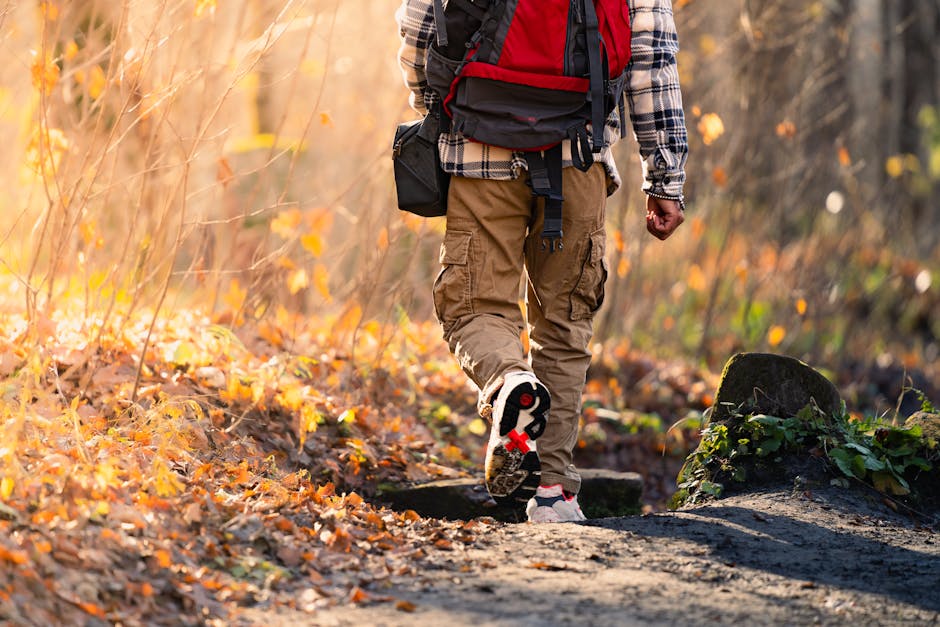
If you plan on doing any of the classic Joshua Tree scrambles—like the Hall of Horrors or the labyrinthine paths around Barker Dam—you need a boot that offers lateral stability. When you are wedging your foot into a granite crack, you don’t want the boot to roll. I have tested several models over the years, and a few stand out as the gold standard for this specific type of desert work. These are boots that look as good at the 29 Palms Inn for post-hike drinks as they do on top of Ryan Mountain.
Lowa Renegade GTX Mid
The Lowa Renegade is a classic for a reason. It features a Nubuck leather upper that is surprisingly supple right out of the box. For Joshua Tree, the leather provides an excellent barrier against the abrasive rock. While it does have a Gore-Tex liner, the leather is thin enough that it doesn’t feel overly stifling compared to heavier work-style boots. Approximate Price: $250.
- Pros: Exceptional comfort and a Monowrap frame that provides stability without adding massive weight.
- Cons: The outsole is a bit softer than some technical approach shoes, meaning the monzogranite will wear it down faster if used exclusively for heavy scrambling.
Salomon Quest 4 GTX
This is my go-to when I know I’ll be carrying a heavier pack or exploring the deeper backcountry of the Wonderland of Rocks. It looks aggressive and technical, fitting perfectly into the “gorpcore” aesthetic while delivering serious performance. The chassis on this boot is designed to protect the ankle joints on uneven terrain. Approximate Price: $230.
- Pros: Incredible grip and a lacing system that allows you to lock the forefoot while keeping the ankle loose (or vice versa).
- Cons: It is a “lot” of boot. If you are just doing the nature trails, it might feel like overkill and can get quite warm in the direct sun.
| Feature | Lowa Renegade GTX | Salomon Quest 4 GTX | Vasque St. Elias FG |
|---|---|---|---|
| Upper Material | Nubuck Leather | Leather/Textile | Full-Grain Leather |
| Weight (Pair) | 2.4 lbs | 2.8 lbs | 2.9 lbs |
| Best For | Day Hikes/Comfort | Backpacking/Stability | Durability/Traditionalists |
| Traction Rating | 8/10 | 9/10 | 7/10 |
The Vasque St. Elias is the traditionalist’s choice. It’s a full-grain leather boot that takes a while to break in, but once it molds to your foot, it is nearly indestructible. I often recommend this for people who want a boot that will last five years of desert abuse rather than two. Just be prepared for some hot feet; full leather doesn’t move air like a synthetic blend does. Approximate Price: $200.
Top breathable desert hiking boots for extreme heat
Sometimes, the priority isn’t scrambling stability but sheer thermal management. If you are visiting in the shoulder seasons—late May or early September—the heat radiating off the desert floor can reach 120 degrees Fahrenheit even if the air temperature is only 95. In these conditions, a heavy leather boot feels like a lead weight. I have transitioned to lighter, more breathable options for these high-heat treks, focusing on silhouettes that prioritize airflow and weight reduction.
Hoka Anacapa 2 Mid GTX
Hoka has successfully bridged the gap between maximalist running comfort and hiking utility. The Anacapa features that signature thick midsole which provides a cloud-like sensation on the hard-packed trails of the Mojave. The aesthetic is very contemporary, often coming in earthy, desert-toned colorways that look fantastic in photos. Approximate Price: $195.
- Pros: Extremely lightweight and the late-stage Meta-Rocker helps propel you forward, reducing fatigue on long flat stretches.
- Cons: The oversized heel can feel a bit clunky when navigating tight rock squeezes, and the exposed foam on the sole can get chewed up by sharp granite.
Altra Lone Peak Hiker 2
For those who prefer a natural foot shape, Altra is the undisputed king. The Lone Peak Hiker is a non-waterproof, highly breathable mid-top that feels more like a high-top sneaker than a traditional boot. It features a “FootShape” toe box that allows your toes to splay, which is vital when your feet inevitably swell in the desert heat. Approximate Price: $150.
- Pros: Zero-drop platform for a natural gait and excellent breathability that keeps feet dry.
- Cons: The lack of a heel drop can cause calf strain if you aren’t used to it, and the protection underfoot is minimal compared to a stiff-shanked boot.
I have found that wearing a slightly thinner merino wool sock with the Altras is the secret weapon for Joshua Tree. It sounds counterintuitive to wear wool in the heat, but the moisture-wicking properties are far superior to cotton, which will just turn into a soggy mess.
The Merrell Moab 3 (Non-Waterproof version) also deserves a mention here. It is often called the “Mother of All Boots” for a reason. It is affordable, reliable, and features massive mesh windows for ventilation. While it lacks the fashion-forward edge of Hoka or Altra, its performance in dry, hot conditions is undeniable. Approximate Price: $110. It is the practical choice for someone who wants a solid boot without a premium price tag, though the styling is a bit more “dad-core” than some might prefer.
How to choose and maintain hiking boots for desert environments
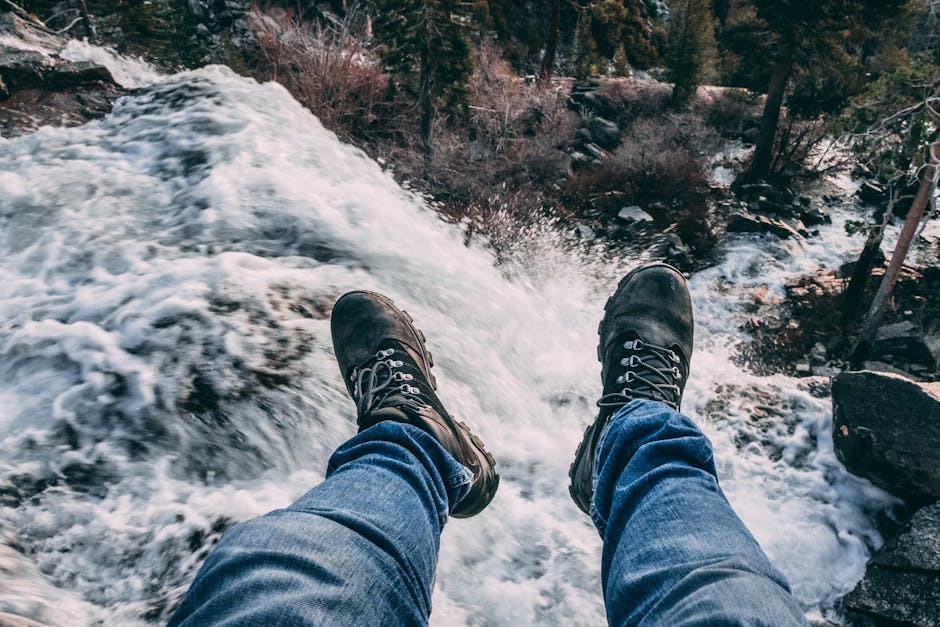
Choosing the right boot is only half the battle; the desert environment requires a different approach to maintenance than the forest. The dust in Joshua Tree is essentially pulverized rock. It is incredibly fine and highly alkaline. If you leave this dust on your leather boots, it will eventually suck the moisture out of the material, leading to cracks and premature failure. I have seen beautiful leather boots ruined in a single season because the owner didn’t bother to brush them off after a trip.
When you get home from the Mojave, the first thing you should do is take a soft-bristled brush—an old toothbrush works wonders—and remove all the fine silt from the seams and the area where the upper meets the sole. This is where the grit hides and acts like a saw against the stitching. If you have leather boots, apply a conditioner every few months to keep the fibers supple. For synthetic boots, a simple rinse with cool water is usually enough. Never dry your boots in direct sunlight or near a heater; the intense heat can cause the adhesives in the sole to delaminate, a lesson I learned the hard way when my soles started flapping like a hungry mouth halfway through a hike at Key’s View.
Lacing technique is another factor that people often overlook. In Joshua Tree, you are frequently changing elevation—climbing up a boulder pile and then immediately descending. For the ascent, I keep my laces slightly loose in the forefoot to allow for swelling. Before a long descent, I use a “heel lock” lacing pattern to ensure my toes don’t slam into the front of the boot. The desert is a place of extremes, and your gear needs to be adjusted accordingly.
Ultimately, the best hiking boot for Joshua Tree is the one that fits your specific foot shape while respecting the abrasive reality of the terrain. Whether you choose the rugged stability of a Salomon or the breezy comfort of a Hoka, remember that in the desert, your feet are your most important vehicle. Treat them with the respect they deserve, and they will carry you to some of the most beautiful vistas on the planet. The monzogranite is waiting, and now you have the tools to tackle it with both style and safety.