Best Shorts to Wear Under Dresses 2024: Anti-Chafing and Invisible Options
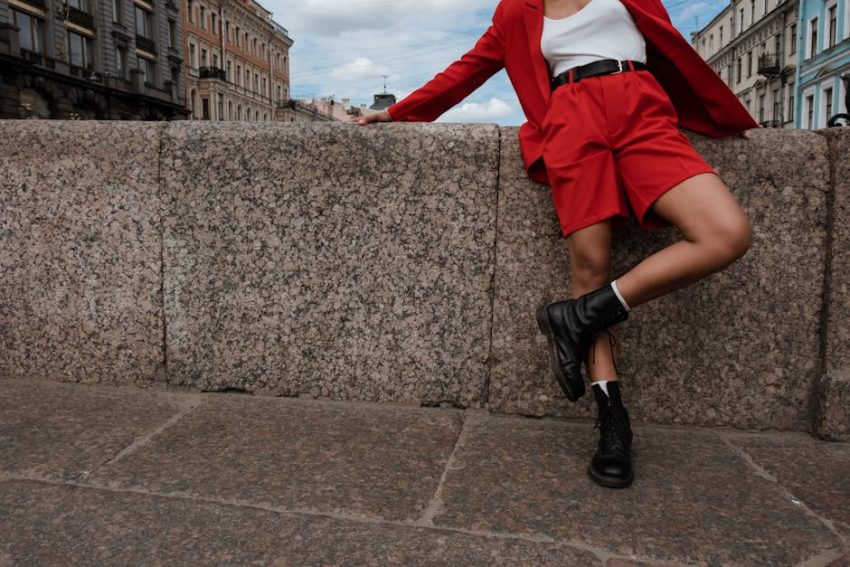
How do you keep your thighs from rubbing together without adding a bulky, visible layer under your summer dresses? It is a question I have spent nearly a decade trying to answer through a process of expensive trial and error. For years, I thought the only options were heavy-duty shapewear that felt like a Victorian corset or cheap cotton bike shorts that rolled up my legs and created a lumpy silhouette. Neither was ideal. If you have ever spent a day at an outdoor wedding or walking through a humid city, you know that the wrong choice leads to a miserable afternoon of adjusting your hemline or dealing with the literal sting of skin-on-skin friction.
Finding the right pair of shorts to wear under dresses isn’t just about preventing ‘chub rub.’ It is about confidence and the ability to move freely. I want to be able to sit on a park bench, climb stairs, or catch a breeze without worrying about a wardrobe malfunction. Over the last few seasons, the market for ‘slip shorts’ has exploded, moving away from restrictive shapewear and toward breathable, second-skin fabrics that actually stay in place. I have tested the major players—from the high-tech cooling yarns to the budget-friendly drugstore finds—to see which ones actually survive a ten-hour day in the sun.
What are the best anti-chafing shorts for summer dresses?
When the primary goal is preventing friction, the fabric composition and the length of the inseam are the two factors that matter most. I have found that if the shorts are too short—anything under a 5-inch inseam—they inevitably migrate upward, defeating the entire purpose. You want a pair that sits low enough on the thigh to stay put but high enough that they don’t peek out from under a midi skirt. In my experience, the 7-inch to 9-inch range is the sweet spot for most dress lengths.
One of my consistent favorites for pure anti-chafing is the Snag Tights Chub Rub Shorts. These usually retail for around $12 to $15. They are essentially made from the same material as high-quality opaque tights, which means they are incredibly stretchy and come in an inclusive range of sizes that actually account for different body shapes. The pro is the price and the sheer variety of colors; the con is that because they are hosiery-based, they can snag just like tights if you have long nails or jewelry. They don’t offer any compression, which I actually prefer for daily wear because I can breathe and eat a full lunch without feeling constricted.
For a more ‘tech’ approach, Thigh Society offers a product called The Cooling (approx. $39). These are significantly more expensive, but the fabric is a high-tech performance yarn that feels cold to the touch. When I first pulled them out of the package, I thought they looked too small, but the four-way stretch is impressive. The pro here is the moisture-wicking capability—they don’t get soggy even in 90-degree weather. The con is the price point, which is steep if you want to own several pairs. However, if you live in a climate where humidity is the enemy, these are the most effective solution I have found for keeping the skin dry and friction-free.
Pro tip: Always check the gusset. If you plan on wearing these shorts as your only layer of underwear, look for a cotton-lined gusset. If you are layering them over your regular panties, a plain seam is fine, but it might add more bulk than you want.
How to choose the right material and length for under-dress shorts?
The material of your shorts dictates how they will behave under different fabrics. If you are wearing a light, clingy silk dress, a cotton-based short is a recipe for disaster. Cotton has a high coefficient of friction against other fabrics, meaning your dress will catch on your shorts, bunching up as you walk. For those types of outfits, you need a slick, synthetic surface like nylon or microfiber. On the other hand, if you are wearing a structured denim skirt or a heavy linen dress, a breathable natural fiber like bamboo can be much more comfortable against your skin.
I have spent a lot of time testing the Boody Body Ecowear shorts, which are made from bamboo viscose (around $20). Bamboo is naturally antibacterial and incredibly soft. The pro is the comfort; they feel like a second skin and are much more breathable than nylon. The con is that they are thicker than performance fabrics and can occasionally ‘creep’ up the leg if you have a very active gait. I reserve these for casual days where I’m not doing a ton of vigorous walking but want that soft, airy feel under a sundress.
Comparing Fabric Performance and Specs
| Product Name | Material Type | Approx. Price | Best For | Key Spec |
|---|---|---|---|---|
| Jockey Skimmies | Nylon/Spandex Blend | $12 – $16 | Everyday Wear | Seamless construction |
| Thigh Society Cooling | High-Tech Polymer | $39 | Extreme Heat | Ultra-thin (.5mm) |
| Boody Ecowear | Bamboo Viscose | $20 | Sensitive Skin | Breathable natural fiber |
| Spanx Thinstincts 2.0 | Micro-fiber | $48 | Formal Events | Light smoothing |
Length is the next hurdle. I learned the hard way that a ‘one size fits all’ approach to inseams doesn’t work. If you are wearing a mini dress, you need a 4-inch inseam. Any longer and you will be constantly checking to see if your shorts are showing when you sit down. For midi and maxi dresses, go for the 7-inch or 9-inch. The longer the leg, the less likely it is to roll up. Rolling is caused by the tension between the width of your thigh and the hem of the short; a longer leg distributes that tension more evenly, keeping the hem flat against your skin.
Best seamless and invisible shorts for tight-fitting dresses
When you are wearing a bodycon dress or a thin knit, the goal shifts from just preventing chafing to ensuring a completely smooth line. The ‘Visible Panty Line’ (VPL) is the enemy here. Traditional seams at the leg opening are the biggest culprits—they dig into the thigh and create a bulge that is visible through the dress. To avoid this, you need laser-cut edges. Laser-cut hems have no stitching; the fabric is simply cut and treated so it won’t fray, allowing it to lie perfectly flat against the skin.
The Jockey Skimmies Slipshort is the gold standard for accessibility and invisibility (usually $12-$16). They are widely available and come in several versions: original, cooling, and wicking. The pro is the seamless design—they are knitted in a tube, so there are no side seams to irritate you. The con is that the original version can be a bit thick for the hottest days, and they don’t offer any ‘hold.’ They are strictly for smoothing and protection. If you need something that stays invisible under a very tight dress, I recommend the Spanx Thinstincts 2.0 (around $48). These are not ‘shapewear’ in the traditional sense; they are ultra-thin and focus on smoothing rather than compressing. The pro is the targeted mapping that keeps the tummy area flat without making it hard to breathe. The con is that the waistband can occasionally roll down if you have a shorter torso.
I’ve noticed that the ‘rolling waistband’ issue is the most common complaint with seamless shorts. Through trial and error, I found that this usually happens because the shorts are either too small or the rise is too low. If the waistband sits right in the crease of your waist, every time you sit down, the movement of your body will push it over. Look for a high-waisted option that sits several inches above your natural waistline. This uses the narrowest part of your torso to anchor the shorts, preventing them from sliding down. It might feel like a lot of fabric at first, but it creates a much cleaner line under your clothes.
Moisture-wicking and cooling shorts for extreme heat
There is a specific kind of discomfort that comes from wearing synthetic layers in 100-degree weather. If the fabric doesn’t breathe, you end up with a ‘greenhouse effect’ that is arguably worse than the chafing itself. For these conditions, I look for shorts specifically marketed as ‘moisture-wicking’ or those featuring mesh panels. The physics of it is simple: you need a fabric that pulls sweat away from the skin and allows it to evaporate quickly. Nylon and polyester blends are generally better at this than cotton or bamboo, which tend to hold onto moisture.
The Thigh Society The Cooling shorts that I mentioned earlier are the champions here, but another solid contender is the Knix Thigh Saver (around $36). Knix is known for their leakproof technology, but their thigh savers are purely about comfort. The pro is the incredibly lightweight feel—it is almost like wearing nothing at all. They also have a very wide gusset which helps with airflow. The con is that they can be a bit slippery; if you are wearing a very loose, silky dress, you might feel like the dress is sliding around on your hips more than usual.
Maintenance is the final piece of the puzzle. I’ve found that these specialty fabrics do not play well with high heat in the dryer. If you want your $40 cooling shorts to last more than one season, you have to air dry them. Heat destroys the spandex fibers that provide the stretch and recovery. I usually wash mine in a mesh laundry bag on a delicate cycle and hang them over the shower rod. They dry incredibly fast—usually within a couple of hours because the fabric is so thin. It is a small price to pay for a garment that keeps you comfortable all summer long. And honestly, once you find the pair that fits your body and your wardrobe, you’ll wonder how you ever survived a July wedding without them.
Key Takeaways for Your Next Purchase
- Fabric is king: Choose slick synthetics for clingy dresses and natural fibers like bamboo for casual, heavy fabrics.
- Inseam length matters: A 7-inch inseam is the most versatile for preventing ‘roll-up’ while staying hidden under midi dresses.
- Check the edges: Look for laser-cut or ‘raw’ hems if you are wearing tight clothing to avoid visible lines.
- Waistband height: High-waisted options are less likely to roll down than mid-rise versions.
- Wash with care: Avoid the dryer to preserve the elasticity and cooling properties of performance yarns.