Best Hiking Hats for Men 2024: Technical Sun Protection and Performance
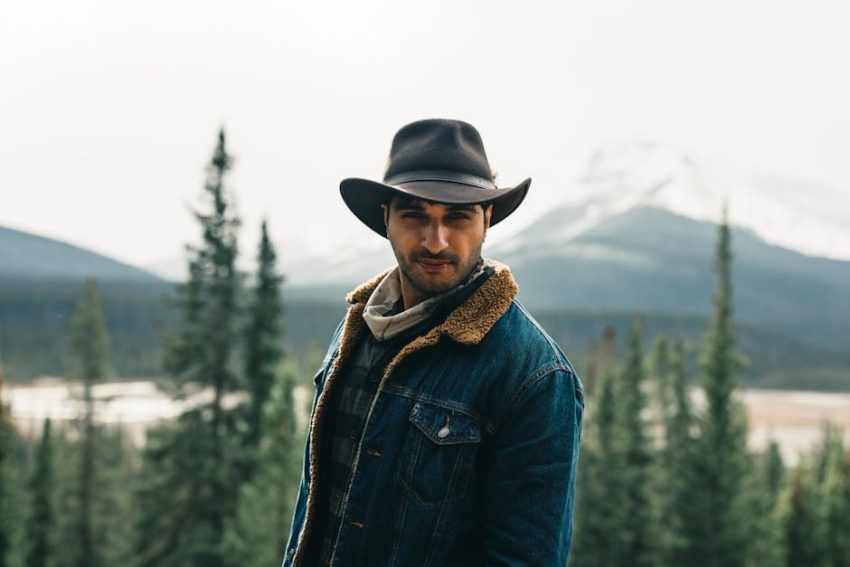
Imagine the high-altitude sun at noon, where the light doesn’t just illuminate the trail but seems to press down with a physical weight. On a long-distance trek, the environment is a constant variable, shifting from the stagnant heat of a valley floor to the biting, UV-heavy winds of a ridgeline. In these moments, the distinction between a simple garment and a piece of survival equipment becomes starkly apparent. For the modern male hiker, headwear has transitioned from a casual afterthought into a sophisticated intersection of textile engineering and dermatological defense. While the aesthetic might lean toward the rugged or the minimalist, the underlying construction of a high-quality hiking hat is a calculated response to the physiological demands of exertion under the open sky.
The scalp and ears are among the most vulnerable yet frequently neglected regions of the body during outdoor activities. Clinical data from the Skin Cancer Foundation indicates that more than 90% of visible skin changes attributed to aging are caused by solar exposure, and for men, these areas are prime real estate for non-melanoma skin cancers. A hat on the trail, therefore, is far more than a fashion statement; it is a critical barrier designed to manage the delicate balance of thermoregulation, moisture transport, and ultraviolet radiation shielding. Choosing the wrong headwear can lead to more than just discomfort; it can result in heat exhaustion, impaired vision due to solar glare, or significant long-term cellular damage. This exploration dives deep into the architecture of the modern hiking hat, providing a blueprint for selecting the optimal shield for your next objective.
The Molecular Logic of Solar Defense
The primary mandate of any hiking hat is to mitigate the impact of solar radiation. This is quantified through the Ultraviolet Protection Factor (UPF) rating system. Unlike the SPF ratings found on sunscreens, which measure the time it takes for skin to redden, UPF measures the actual quantity of UV radiation that can penetrate a fabric to reach the skin. A hat with a UPF 50 rating allows a mere 1/50th of the sun’s UV rays to pass through, effectively neutralizing 98% of the radiation. For the serious hiker, anything beneath a UPF 30 rating is generally considered insufficient for the prolonged exposure typical of a full-day summit push.
Synthetics and the Physics of Protection
Most elite hiking hats are forged from high-density nylon or polyester. These synthetic polymers are chosen over natural fibers like cotton due to their inherent hydrophobic properties. Cotton is a liability in the backcountry; it absorbs moisture, loses its structural integrity when wet, and experiences a significant drop in its UPF rating as the fibers swell and the weave opens. In contrast, a tightly woven nylon provides a consistent physical barrier. The density of the weave is the most critical variable; the smaller the interstices between the threads, the higher the protection. Furthermore, modern manufacturers often infuse these fibers with UV-absorbing chemicals or titanium dioxide during the extrusion process. This ensures that the protection is “baked in” and won’t diminish after repeated wash cycles or heavy perspiration.
Capillary Action and Thermal Regulation
There is a persistent myth that a thicker, heavier hat offers superior protection. In reality, excessive thickness often sabotages the body’s primary cooling mechanism: evaporative sweat. High-performance headwear utilizes capillary action—frequently marketed as “moisture-wicking”—to draw sweat away from the skin and transport it to the outer surface of the fabric. This process is endothermic; it consumes heat energy from the wearer’s head to facilitate evaporation, thereby cooling the skin. Look for hats featuring internal sweatbands engineered from Coolmax or similar tri-lobal polyester blends. These bands serve a dual purpose: they prevent caustic salt and moisture from irritating the eyes and provide a rapid-transit system for fluid to reach the hat’s crown for dispersal into the atmosphere.
The Strategic Use of Color and Glare Reduction
The color of a hat involves a complex trade-off between UV absorption and heat retention. Darker pigments, such as navy, forest green, or charcoal, are more effective at absorbing UV rays, preventing them from reaching the scalp. However, these same pigments absorb more infrared radiation, which can increase the temperature of the fabric itself. The ideal compromise, often seen in technical designs, is a hat with a light-colored crown to reflect the sun’s heat and a dark-colored under-brim. The dark fabric beneath the brim is essential for reducing “ground glare”—the light reflecting off granite, water, or snow—which significantly reduces eye fatigue and the need for constant squinting over long miles.
The most effective hiking hat is one that balances physical shade with atmospheric permeability. If the fabric is so dense that it traps a layer of stagnant, hot air against the scalp, the wearer’s core temperature will rise regardless of how much sun is blocked.
Anatomy of an Alpine Shield: Engineering and Airflow

The geometry of a hat dictates its utility across varying terrains. While a standard baseball cap might suffice for a shaded forest walk, it leaves the ears and the back of the neck—areas with thin skin and high vascularity—exposed to the elements. When analyzing the “best” hiking hats, we generally categorize them into three primary silhouettes: the full-brimmed “boonie,” the legionnaire style with a protective neck cape, and the technical long-billed cap.
Brim Dynamics and Wind Resistance
For comprehensive coverage, a brim width of 2.5 to 3 inches is the industry standard for shading the face and ears. However, a wide brim essentially acts as a sail. In high-wind environments, such as a ridgeline or a coastal trail, a floppy brim can become a nuisance or be lost entirely. This is why technical hats from brands like Tilley or Outdoor Research incorporate stiffened brims or multi-point chin strap systems. Some designs use high-density EVA foam in the brim, which provides enough structure to resist wind while also ensuring the hat remains buoyant if it ends up in a lake or stream. Furthermore, “crushable” brim technology allows a hiker to fold the hat into a pack pocket without permanently damaging the internal stiffeners, a vital feature for those who frequently transition between shaded woods and exposed peaks.
Crown Engineering and the Chimney Effect
Ventilation is the area where most consumer-grade hats fail. A solid nylon crown can quickly become a greenhouse for the head. Engineers address this through two primary methods: mesh integration and chimney venting. Mesh panels are the most common, allowing for 360-degree air exchange. However, if the mesh is not UV-rated, it can lead to scalp burns—a significant concern for men with thinning hair. Chimney vents, or “floating crowns,” are a more sophisticated solution. They utilize an overlapping layer of fabric that allows hot air to rise and escape through a horizontal gap, while the solid fabric above ensures that no direct sunlight hits the scalp. This creates a passive cooling system that functions even when there is no breeze.
The Rise of the Legionnaire Silhouette
While often dismissed for its unconventional aesthetic, the legionnaire hat (a cap with a trailing fabric flap) is arguably the most efficient design for high-UV environments like deserts or glaciers. It provides the targeted face protection of a traditional cap with the comprehensive neck coverage of a wide-brimmed hat, all while weighing significantly less. Because the neck cape is flexible and loose, it allows for superior airflow around the collar compared to a stiff circular brim. Additionally, the cape does not interfere with the frame or top lid of a large multi-day backpack, solving a common complaint among hikers whose wide-brimmed hats are constantly pushed forward by their gear.
| Design Feature | Primary Benefit | Trade-off |
|---|---|---|
| Wide Circular Brim | 360-degree shade for face/ears/neck | Heavy, catches wind, hits backpack |
| Mesh Crown Panels | Maximum airflow and cooling | Potential UV leakage to scalp |
| Neck Cape (Legionnaire) | Complete neck protection, lightweight | Polarizing aesthetic, limited ear shade |
| Dark Under-brim | Reduces ground glare and eye strain | Slightly higher heat absorption |
| Convertible Crowns | Versatility for changing weather | Zippers or snaps add weight and fail points |
Curated Field Tests: The Premier Headwear of 2024
Selecting a hat requires balancing technical specifications against the specific demands of your environment. The following models represent the current peak of outdoor headwear engineering, each excelling in distinct categories. Prices are approximate and based on current market averages.
Outdoor Research Helios Sun Hat
The Helios has become a staple in the hiking community for its balance of weight and protection. It typically retails for approximately $40.00. Constructed from 100% 70D nylon with a 100% polyester lining, it is exceptionally lightweight at just 2.3 ounces. The brim is foam-stiffened, providing enough structure to resist moderate winds while remaining flexible enough to be stuffed into a pocket.
- Specifications: 2.75-inch brim width, UPF 50+, TransAction™ headband.
- Pros: Excellent moisture-wicking, floats in water, very packable.
- Cons: Lacks side ventilation, which can lead to heat buildup in temperatures exceeding 85°F.
Tilley LTM6 Airflo
Tilley hats are often viewed as a lifetime investment, reflected in the $99.00 price point. The LTM6 is made from Nylpro, a proprietary lightweight nylon that is both water-repellent and incredibly durable. It features a 3/4-inch mesh strip around the top of the crown for ventilation. Tilley’s engineering is famous for its “wind cord” system, which uses two knots to secure the hat both in front of and behind the head, making it nearly impossible to lose in a storm.
- Specifications: 3.5-inch front/back brim, 2.5-inch sides, UPF 50+, 4.0 ounces.
- Pros: Guaranteed for life, includes a hidden crown pocket, exceptional durability.
- Cons: Noticeably heavier than purely technical hats, higher initial cost.
Sunday Afternoons Adventure Hat
This is the quintessential legionnaire-style hat, priced around $42.00. It features a 4-inch front brim and a 7.5-inch neck cape. It is designed for maximum coverage in exposed environments like the Grand Canyon or high-alpine ridges. The side panels are ventilated with mesh, and the sizing is highly adjustable with an external buckle.
- Specifications: 4-inch brim, 7.5-inch cape, UPF 50+, 3.0 ounces.
- Pros: Best-in-class neck protection, very breathable, foldable brim for easy packing.
- Cons: The silhouette is very functional and lacks the versatility of a standard cap for casual wear.
Arc’teryx Calvus Cap
For trail runners or fast-packers who prefer a low-profile fit, the Arc’teryx Calvus ($45.00) is a masterpiece of minimalism. It uses Socora™ polyester fabric that is DWR (durable water repellent) treated to shed light rain. The side panels are made of Polydel mesh, providing significant airflow during high-output activity.
- Specifications: Short bill, UPF 40+, 1.8 ounces.
- Pros: Extremely lightweight, secure fit for running, sleek aesthetic.
- Cons: Minimal ear and neck protection; requires supplemental sunscreen for the lower face and neck.
KÜHL Renegade Hat
The KÜHL Renegade ($35.00) is designed for those who want technical performance in a package that looks like a standard baseball cap. Made from Tufflex™ fabric—a durable, sun-protective, and quick-drying softshell—it is ideal for rugged terrain where you might be brushing against granite or thick brush.
- Specifications: One-handed adjustment, UPF 50+, 2.5 ounces.
- Pros: Very durable fabric, casual style, excellent wind resistance.
- Cons: Shallow fit may not suit those with larger heads; limited ventilation compared to mesh-heavy caps.
The North Face Horizon Breeze Brimmer
A classic full-brim choice for the casual hiker, the Horizon Breeze ($40.00) offers a relaxed fit and a soft, comfortable feel. It features a full mesh vent wrap around the crown, making it one of the most breathable full-brim hats on the market.
- Specifications: 3-inch brim, UPF 40+, recycled nylon construction.
- Pros: Very breathable, made from recycled materials, comfortable for long-term wear.
- Cons: The brim is quite soft and can flop in high winds or heavy rain.
Matching Headwear to Specific Environmental Stressors

The “best” hat is a relative term that depends entirely on the geography of your trek. A hiker in the Pacific Northwest faces a different set of challenges than one in the High Sierra or the Everglades. Understanding these regional nuances allows for a more strategic selection process.
The High-Altitude Alpine Environment
In alpine settings, UV intensity increases by approximately 10% for every 1,000 feet of elevation gain. Furthermore, the air is thinner and often windier. Here, a hat with a UPF 50+ rating and a stiff, wind-resistant brim is non-negotiable. The ability to secure the hat with a chin strap is vital, as a lost hat at 12,000 feet can lead to immediate solar distress. The Tilley LTM6 or the Outdoor Research Helios are the frontrunners for these conditions.
The Arid Desert and Exposed Canyonlands
In the desert, heat management is just as important as UV protection. The goal is to create a micro-climate of shade around the head and neck while allowing for maximum airflow. This is the domain of the legionnaire-style hat. The Sunday Afternoons Adventure Hat excels here because the neck cape protects against the sun reflecting off canyon walls while the mesh panels allow heat to escape. Light colors (tan, sage, or light grey) are preferred to keep the fabric temperature low.
The Humid Forest and Lowland Trails
In the Appalachian or tropical forest environments, the primary concerns are humidity, insects, and low-hanging branches. UV protection is less critical due to the forest canopy, but moisture management is paramount. A highly breathable cap like the Arc’teryx Calvus or the Patagonia Duckbill is ideal. These hats focus on wicking sweat away from the brow to prevent it from dripping into the eyes, and their low profile prevents them from getting snagged on overhanging foliage.
Preserving Your Investment: Care and Lifecycle Management

Technical hiking hats are designed for durability, but their performance features—specifically UPF ratings and DWR coatings—can be compromised by improper care. Most hikers make the mistake of treating their trail hat like a standard piece of laundry, which can lead to fiber breakdown and the loss of structural stiffeners.
The Cleaning Protocol
Avoid the temptation to throw your technical hat into a washing machine with heavy agitation. The mechanical stress can deform foam brims and stretch out the delicate mesh panels. Instead, hand wash your hat in cool water using a mild, technical detergent (such as Nikwax Tech Wash or Grangers). These detergents are formulated to clean without leaving behind hydrophilic residues that can impair moisture-wicking. Use a soft brush to scrub the internal sweatband, where salt and oils accumulate. Always air dry your hat; the high heat of a dryer can melt synthetic fibers or cause the brim stiffeners to warp permanently.
Restoring Water Repellency
If your hat features a DWR coating (like the Arc’teryx Calvus), you will notice that over time, water begins to soak into the fabric rather than beading off. This “wetting out