Best Workout Clothes for Seniors 2024: Functional Activewear for Longevity
Selecting appropriate activewear for seniors requires a departure from purely aesthetic considerations, focusing instead on the physiological requirements of an aging body. As skin becomes thinner and thermoregulation less efficient, the mechanical properties of fabrics—such as moisture-wicking capabilities, thermal resistance, and tactile friction—become critical factors in maintaining safety and comfort during exercise. This analysis evaluates the current market for senior-specific workout gear, prioritizing ergonomic design, ease of donning and doffing, and joint support. Beyond the basic utility of the garments, the psychological impact of wearing professional-grade gear can significantly bolster confidence in older adults, encouraging a more consistent commitment to physical therapy and fitness regimens.
Technical Fabric Specifications for Senior Physical Activity
The primary function of workout clothes for seniors is the management of the microclimate between the skin and the garment. Older adults often experience a decreased ability to sweat effectively, combined with a heightened sensitivity to cold. Therefore, the selection of textiles must balance breathability with insulation. Synthetic polymers and specific natural fibers offer the most reliable performance in these areas, ensuring that the wearer remains at a stable core temperature regardless of the intensity of the workout or the external environment.
Moisture Management and Capillary Action
Cotton, while traditionally favored for its softness, is a poor choice for active seniors. It is highly hydrophilic, absorbing up to 25 times its weight in water, which leads to heavy, damp clothing that can cause skin chafing or rapid cooling once activity ceases. Instead, technical synthetics like polyester and nylon are engineered for capillary action. These fibers pull moisture away from the skin and distribute it across the outer surface of the fabric for rapid evaporation. For seniors engaging in low-to-moderate intensity activities like mall walking or chair yoga, a polyester-elastane blend provides the necessary stretch without the weight retention of natural fibers. Furthermore, modern blends often incorporate recycled materials, providing an eco-friendly option without sacrificing the high-performance moisture transport required for cardiovascular health.
The Role of Merino Wool as a Natural Alternative
While synthetics dominate the market, Merino wool has emerged as a premium alternative for seniors with sensitive skin. Unlike traditional wool, Merino fibers are exceptionally fine (often between 17 and 19 microns), which prevents the “itch” factor. Its natural structure allows it to absorb moisture vapor before it even turns into liquid sweat, keeping the skin drier for longer. Additionally, Merino wool is naturally flame-retardant and offers inherent UV protection, making it an excellent base layer for seniors who prefer outdoor activities but struggle with the “plastic” feel of 100% polyester garments. Brands like Smartwool and Icebreaker offer specialized weights (150g to 250g) that allow for precise temperature control across different seasons.
Skin Integrity and Seam Construction
Age-related skin changes, including a reduction in collagen and subcutaneous fat, make seniors more susceptible to abrasions and contact dermatitis. When evaluating workout clothes for seniors, the internal construction of the garment is as significant as the fabric itself. Flatlock stitching, where the fabric edges are sewn together without overlapping, eliminates the bulky ridges found in standard overlock seams. This reduces the risk of mechanical irritation during repetitive movements. Furthermore, tagless designs and heat-pressed labels are essential to prevent localized skin breakdown in areas of high friction, such as the neckline and waistband. In many high-end garments, laser-cut edges and bonded seams are now being used to provide a completely smooth transition between the fabric and the skin, further minimizing the risk of “jogger’s nipple” or thigh chafing.
Thermoregulation and UV Protection
Seniors are at a higher risk for both hyperthermia and hypothermia. Fabrics with a high UPF (Ultraviolet Protection Factor) rating are necessary for outdoor exercise, as aging skin has a reduced capacity to repair DNA damage from sun exposure. A UPF rating of 50+ indicates that the fabric allows only 1/50th of the sun’s UV radiation to pass through. Additionally, silver-ion treatments are often integrated into high-end activewear to inhibit the growth of odor-causing bacteria—a common concern as synthetic fabrics tend to retain scents more than natural ones. This allows for longer wear times and less frequent laundering, which can extend the lifespan of the garment and maintain its elastic properties for several years.
Proper activewear for older adults must prioritize mechanical safety and physiological support over trend-driven design, ensuring that the clothing facilitates rather than hinders movement.
Performance Review of Market-Leading Senior Activewear
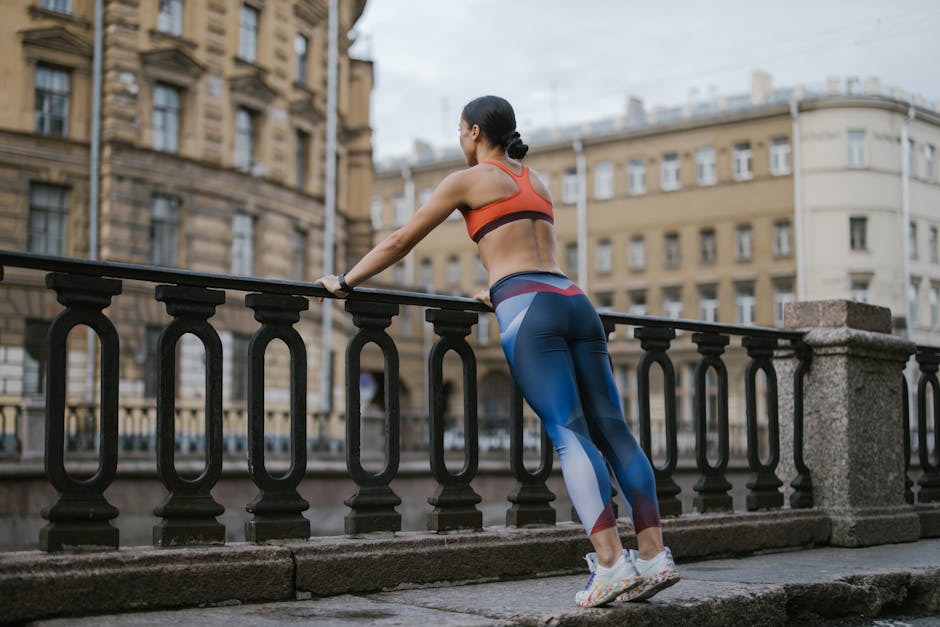
The following products have been selected based on their material composition, ease of use, and durability. While many are marketed toward a general audience, their specific features align closely with the needs of the senior demographic, particularly regarding joint mobility and skin sensitivity.
| Product Name | Primary Material | Approx. Price | Key Advantage |
|---|---|---|---|
| Lululemon Align High-Rise Pant | Nulu (81% Nylon, 19% Lycra) | $98 – $118 | Minimal compression; ease of movement |
| Columbia Silver Ridge Utility Shirt | 100% Recycled Polyester | $55 – $60 | UPF 50+ and superior venting |
| Vuori Performance Jogger | DreamKnit (89% Polyester, 11% Elastane) | $94 | Ultra-soft tactile feel for sensitive skin |
| Under Armour Tech 2.0 Tee | 100% UA Tech Polyester | $25 – $30 | Loose fit for improved airflow |
| Patagonia Capilene Cool Daily | 100% Recycled Polyester | $45 – $55 | Heiq Pure odor control and rapid dry |
Lululemon Align High-Rise Pant
The Lululemon Align series is frequently recommended for seniors due to its proprietary Nulu fabric. Unlike high-compression leggings designed for high-impact running, the Align pant offers a “weightless” feel with a fabric weight of approximately 200 GSM. This is particularly beneficial for individuals with circulation issues or those who find high-compression garments difficult to pull on. The high-rise waistband provides a sense of security and light abdominal support without the restrictive elastic found in cheaper alternatives.
Pros: Exceptional four-way stretch; non-restrictive waistband; available in multiple lengths (23″, 25″, 28″, 31″) to prevent tripping hazards.
Cons: Lower durability against abrasive surfaces; higher price point compared to department store brands; requires delicate washing to prevent pilling.
Columbia Silver Ridge Utility Long Sleeve
For outdoor activities like hiking or bird watching, the Columbia Silver Ridge Utility shirt is a standard-setter. It utilizes a ripstop polyester that is both lightweight and durable. The inclusion of mesh-lined back vents allows for passive cooling, which is essential for seniors who may struggle with heat dissipation. The button-down design is also more accessible for individuals with limited shoulder mobility who might find over-the-head shirts challenging.
Pros: Integrated UPF 50+ sun protection; moisture-wicking Omni-Wick technology; versatile for non-exercise settings; antimicrobial treatment.
Cons: The fabric can feel slightly stiff until several washes have occurred; the fit is somewhat boxy and may require tailoring for smaller frames.
Vuori Performance Jogger
Vuori has gained traction in the senior market due to its “DreamKnit” fabric, which prioritizes a soft, brushed texture. For seniors who find traditional synthetic activewear to be “scratchy” or overly plastic-feeling, this provides a comfortable middle ground. The jogger silhouette is safer than wide-leg yoga pants, as the tapered ankle prevents the fabric from catching on shoes or equipment, reducing the risk of trips and falls.
Pros: Superior comfort; functional side pockets; does not pill easily; mid-weight fabric provides enough warmth for indoor/outdoor transitions.
Cons: The drawstring can be difficult for those with arthritis; relatively expensive for a polyester blend; limited colorways in larger sizes.
Under Armour Tech 2.0 Short Sleeve
This shirt is an entry-level option that provides the necessary technical benefits without a premium price. The “UA Tech” fabric has a more natural feel than standard polyester but retains high-speed wicking properties. The “Loose” fit designation by Under Armour is particularly relevant for seniors, as it allows for maximum range of motion in the shoulders and torso without clinging to the body.
Pros: Highly affordable; quick-drying; wide variety of sizes including tall options; extremely lightweight (approx. 3.8 oz).
Cons: Seams are not as flat as premium brands; can develop odors if not washed with a specialized sport detergent; limited UV protection compared to Columbia or Patagonia.
The Layering Strategy: Adapting to Variable Core Temperatures
Seniors often face a paradox where they feel cold at the start of a workout but quickly overheat once their heart rate increases. A three-tier layering strategy is the most effective way to manage this fluctuation. This approach allows the wearer to add or remove garments as needed, maintaining a steady metabolic state.
- The Base Layer: This should be a moisture-wicking synthetic or Merino wool shirt. Its primary job is to keep the skin dry. It must be form-fitting enough to touch the skin but not so tight that it restricts breathing or circulation.
- The Mid-Layer: A lightweight fleece or a specialized “tech” hoodie provides insulation. This layer traps air to keep the body warm during rest periods or slow-paced activities like Tai Chi. Materials like Polartec are ideal here because they offer warmth without bulk.
- The Outer Shell: For outdoor exercise, a windproof and water-resistant shell is necessary. For seniors, this shell should have high visibility (reflective strips) to ensure safety during early morning or evening walks. Look for jackets with “pit zips” or back vents to allow for manual temperature regulation.
Ergonomic Footwear and Compression Solutions for Older Athletes
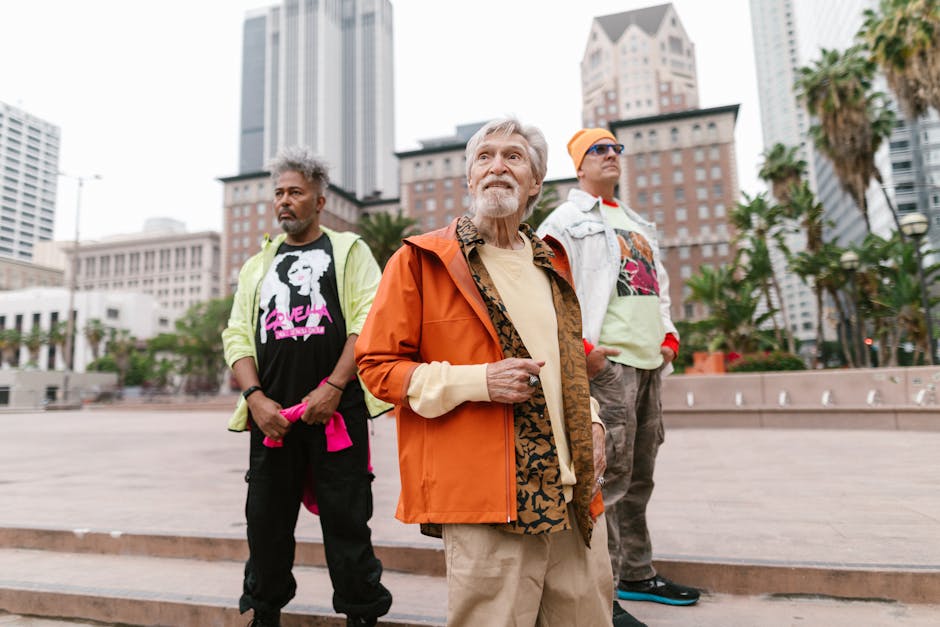
Footwear is arguably the most critical component of workout clothes for seniors. Changes in gait, balance, and foot structure—such as the flattening of the arches or the development of bunions—require specific shoe geometries. Additionally, lower-limb edema and venous insufficiency often necessitate the use of compression gear to maintain safety during and after exercise.
The Role of Maximalist Cushioning and Stability
As the fat pads on the soles of the feet thin with age, impact absorption becomes a priority. Maximalist shoes, characterized by a high stack height of foam (often 30mm or more), are designed to reduce the peak loading forces on the knees and hips. However, this must be balanced with stability. A shoe that is too soft can feel “mushy” and compromise balance. The Hoka Bondi 8 ($165) is a leading example of a shoe that provides significant EVA foam cushioning while maintaining a wide base for stability.
Pros: Excellent joint protection; early-stage Meta-Rocker for smooth transitions; American Podiatric Medical Association (APMA) Seal of Acceptance.
Cons: The high profile may feel unstable for those with severe balance issues; aesthetic is polarizing; can be heavy for some users.
Accessibility and Hands-Free Entry
For seniors with limited dexterity or chronic back pain, the physical act of tying laces can be a barrier to exercise. Adaptive footwear designs, such as the Skechers Hands-Free Slip-ins ($90), utilize a molded heel pillow that allows the wearer to step into the shoe without bending over or using their hands. This feature significantly increases independence and reduces the risk of falls associated with untied laces.
Pros: High accessibility; comfortable memory foam insoles; machine washable.
Cons: Less lateral support for vigorous side-to-side movements; limited arch support for flat feet; the heel counter can wear out faster than traditional lace-up shoes.
Compression Therapy for Circulation
Compression socks are often integrated into a senior’s workout wardrobe to assist with venous return. Graduated compression—where the pressure is highest at the ankle and decreases up the leg—helps prevent blood pooling and reduces the feeling of “heavy legs” during walks. Bombas Compression Socks ($18-$28) offer a 15-20 mmHg pressure level, which is generally considered the “sweet spot” for daily activity without requiring a prescription.
Pros: Honeycomb arch support system; seamless toe box to prevent irritation; high-quality long-staple cotton/poly blend.
Cons: Can be difficult to put on without a donning aid; higher cost per pair than standard socks; requires air-drying to maintain compression elasticity.
Maintenance and Longevity: Caring for Technical Textiles
To preserve the performance characteristics of high-quality workout clothes for seniors, specific maintenance protocols should be followed. Technical fabrics are susceptible to damage from high heat and standard chemical additives found in common detergents. Following these steps can double the lifespan of the garments:
- Avoid Fabric Softeners: Softeners work by coating fibers in a waxy film. This film clogs the “pores” of moisture-wicking fabrics, effectively turning a high-performance shirt into a non-breathable plastic bag.
- Cold Water Wash: High temperatures can break down the Lycra and Elastane fibers that provide stretch. Always wash activewear in cold water on a gentle cycle.
- Air Drying: The high heat of a dryer is the primary cause of elastic failure. Hanging clothes to dry or laying them flat preserves the integrity of the seams and the “snap-back” of the fabric.
- Specialized Detergents: For garments with silver-ion treatments or heavy sweat buildup, use a sport-specific detergent (like Nikwax or Hex Performance) that is designed to strip away bacteria and body oils without damaging the fibers.
Common Purchasing Mistakes to Avoid
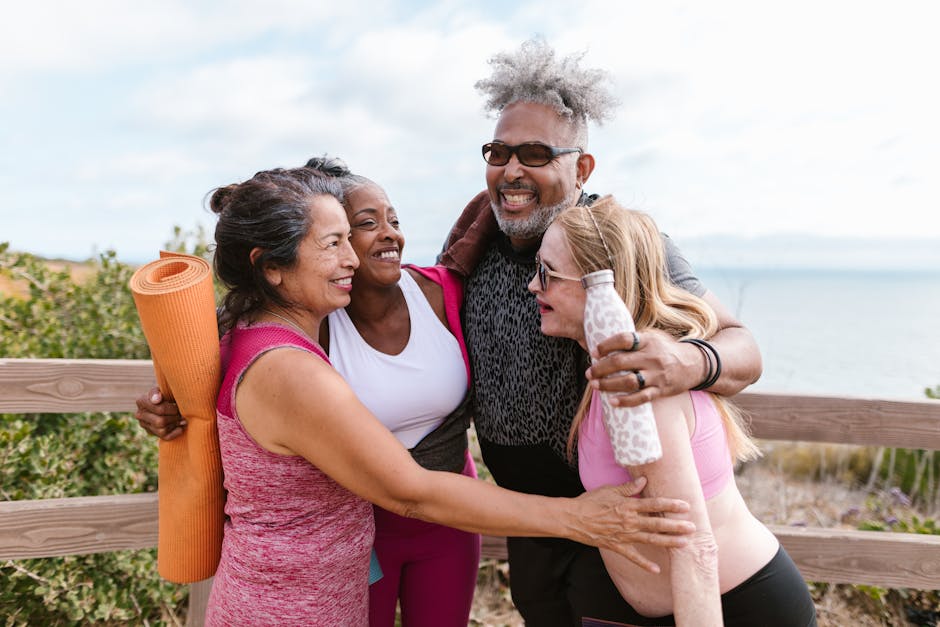
When shopping for senior activewear, it is easy to be swayed by marketing terms like “Anti-Aging Fabric” or “Bio-Hacking Gear.” Consumers should focus on tangible specifications rather than buzzwords. One common mistake is choosing “Heavy Support” compression for daily walking; while beneficial for recovery, excessively high compression (30+ mmHg) can be dangerous for those with certain circulatory conditions if not prescribed by a doctor. Another mistake is ignoring the “Rise” of pants. Low-rise leggings often slide down during movement, which can distract a senior and lead to a loss of balance. Always opt for mid-to-high-rise options with an internal drawstring or a wide, stay-put waistband.
In summary, the transition to high-quality workout clothes for seniors is an investment in both safety and performance. By prioritizing fabrics that manage moisture and temperature, seeking out ergonomic designs that accommodate changes in mobility, and selecting footwear that provides a stable foundation, older adults can significantly improve their exercise experience. The data suggests that when physical discomfort from clothing is removed, adherence to regular exercise programs increases, contributing to better long-term health outcomes and a higher quality of life.