
My New Home Library
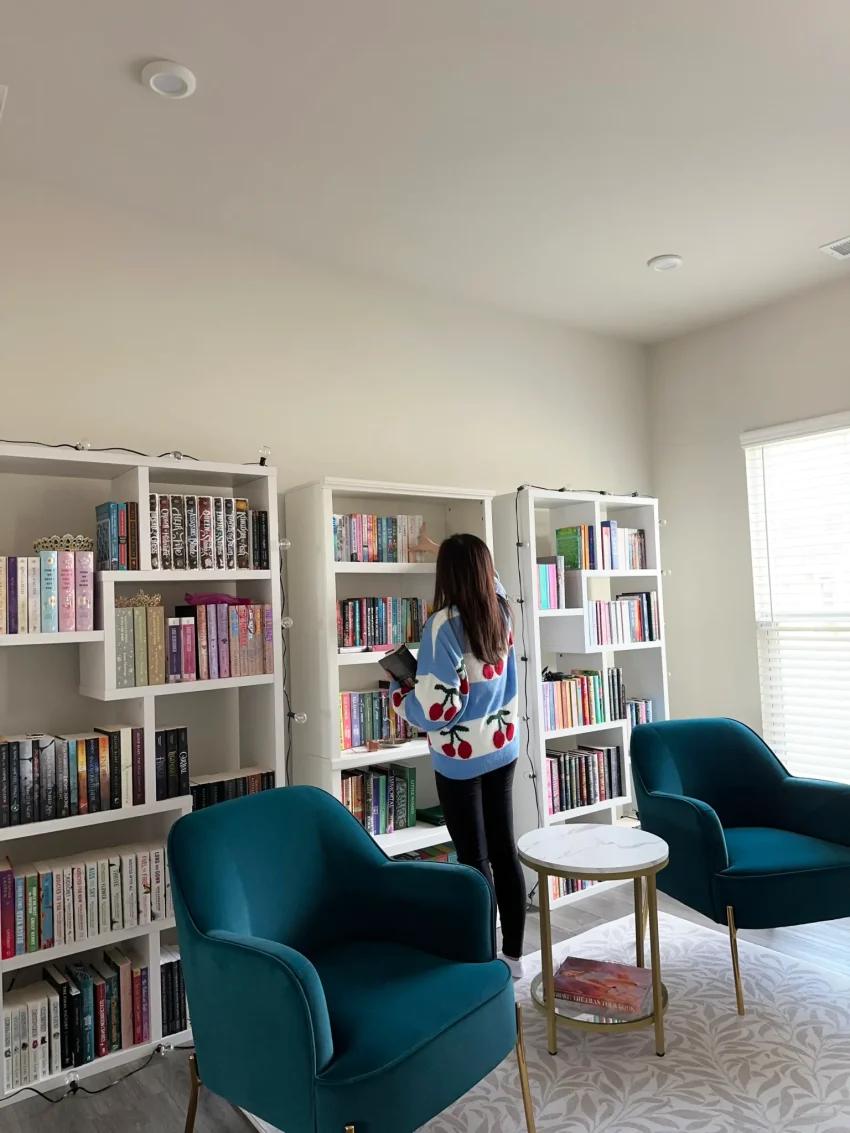
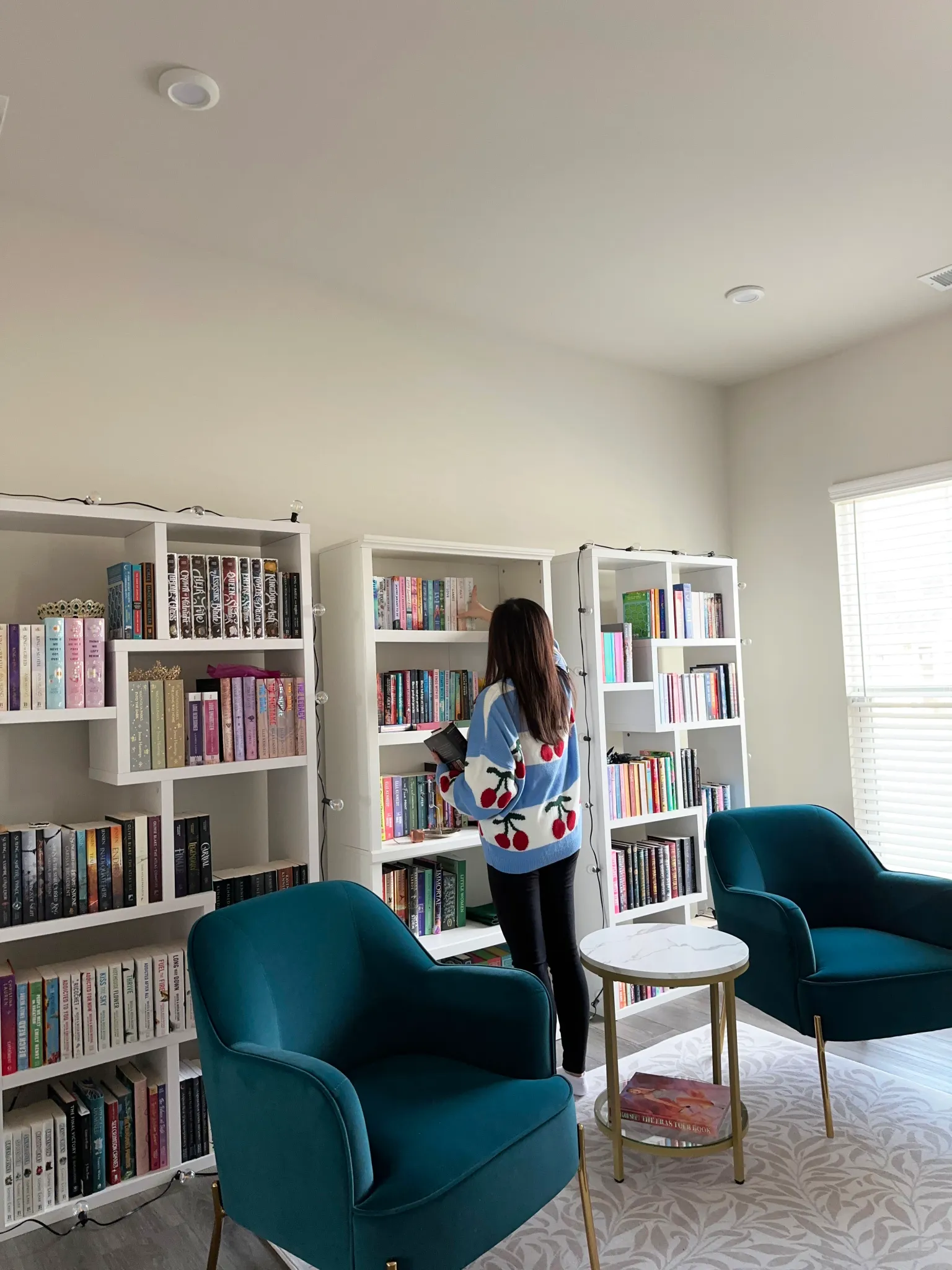
You’ve just moved in. There are fourteen boxes of books in the hallway, a blank wall in the spare room, and a vague idea that this space should eventually look like the photos you’ve been saving for two years. The gap between that vision and the room you’ll actually live in daily is where most home library projects quietly fail.
What follows is a practical breakdown of what actually matters when setting up a home library — shelving decisions, cost realities, organization systems that hold up over time, and mistakes that are straightforward to avoid once you know to look for them.
This is not interior design advice from a certified professional. For structural modifications, consult a licensed contractor. For lease-related questions about wall anchoring or room conversion, consult a licensed attorney.
How to Choose Shelving That Won’t Fail in Two Years
The shelving decision is where most home library projects succeed or quietly collapse. The failure usually isn’t dramatic — it’s gradual. Shelves begin to bow. Brackets separate from walls. Particle board develops that characteristic soft curve signaling structural fatigue. Most of this is avoidable.
The core issue: books are heavier than people account for. A standard hardcover weighs roughly 1.5 to 2 lbs. Fill a 36-inch shelf with hardcovers — 20 to 25 books — and you’re putting 35 to 45 lbs on that surface. Fill it with oversized art books and the number climbs further.
What shelf weight ratings actually mean
Manufacturers list a maximum weight per shelf, but that figure assumes even distribution across the full shelf length. Books get stacked densely in one section, creating localized stress on the shelf surface and bracket connection points. The IKEA BILLY bookcase ($49.99 per unit, 31.5 inches wide) carries a per-shelf rating of approximately 66 lbs under ideal conditions. For standard hardcover and paperback collections, that’s genuinely adequate. The BILLY earns its reputation as a workhorse — not glamorous, but structurally honest.
If your collection includes large-format art books, oversized reference volumes, or anything over 12 inches in depth, the IKEA HEMNES bookcase ($199 per unit, 14-inch shelf depth) is the stronger choice. Solid pine construction, not particle board, with joints that hold up significantly better under sustained load. The deeper shelf also eliminates the awkward front-to-back double-stacking that plagues standard 11-inch bookcases when oversized volumes are involved.
Freestanding vs. wall-mounted: the real tradeoff
Wall-mounted shelves look clean and built-in. The practical constraint: they require hitting wall studs — typically spaced 16 inches apart — with precision. Relying on drywall anchors alone under real book weight invites a collapse. IKEA’s BERGSHULT shelf paired with GRANHULT wall brackets ($25–40 per shelf plus hardware) supports up to 55 lbs per shelf when properly anchored into studs. That’s a legitimate option for lighter collections in owned spaces.
For rentals, courts have generally found that wall drilling constitutes a lease modification — verify your specific lease terms before anchoring anything. Freestanding units sidestep this issue entirely. That said, all freestanding bookcases should still be secured to the wall with anti-tip straps regardless of renter status. IKEA includes these straps with BILLY units. Installation takes under ten minutes and is not optional in households with children.
What It Actually Costs to Set Up a Home Library
These figures reflect 2026 prices from major U.S. retailers across three realistic budget levels.
| Budget Tier | Shelving | Seating | Lighting | Estimated Total |
|---|---|---|---|---|
| Entry ($200–400) | 3× IKEA BILLY at $49.99 each ($150) | Existing chair or floor cushion ($0–50) | Clip-on LED lamp ($20–30) | ~$250–350 |
| Mid ($700–1,100) | IKEA HEMNES or KALLAX combination ($400–500) | Target Threshold accent chair ($200–300) | TaoTronics TT-DL16 desk lamp ($45) | ~$750–950 |
| High ($2,000+) | West Elm Industrial bookshelf system ($900–1,400) | Article Sven lounge chair ($799) | Rejuvenation wall sconces, pair ($300–600) | ~$2,200–3,200 |
The entry tier works. Three BILLY units cover approximately 9 linear feet — enough for 300 to 400 mixed paperbacks and hardcovers. The mid tier buys better materials and real sitting comfort. The high tier is primarily aesthetic; the functional improvement over mid is marginal at best.
How to Organize Books So You Can Find Them Six Months Later
The most common organizational mistake is building a system optimized for how the shelf looks in photographs rather than how it functions in daily use. Color-organized bookshelves are beautiful in a flat lay. They are functionally useless when you need a specific book on a Tuesday evening. Most people who try it quietly abandon it within six months.
The better starting question: how often do you actually search for a specific title? If you browse randomly and pick what catches your eye, aesthetics can drive the system. If you return to specific books for research, reference, or targeted re-reading, you need a structure built for retrieval.
Three systems that hold up at home scale
Genre first, then alphabetical by author. Fiction in one zone, nonfiction grouped by subject, reference materials separate. Within each zone, alphabetical by author’s last name. This is how most personal libraries naturally organize themselves, and it works reliably for collections up to roughly 1,000 books. Finding a specific title takes under 30 seconds once you know where each section lives. It also accommodates new acquisitions without requiring a full reshuffling.
By reading status. Three zones: unread, in progress, completed. Optionally a fourth for books you’ll lend freely. This is particularly useful for readers who acquire books faster than they read them — a pattern courts of habit have generally found to be widespread. The limitation: once everything is read, the system collapses and needs replacement.
By physical format. Oversized art books on their own shelves, standard hardcovers together, paperbacks together. Solves the visual chaos of mixed formats and creates consistent sightlines across the library. Sacrifices topical browsing but suits rooms where the library is partly decorative.
What doesn’t work — and why
Alphabetical by title creates clustering around “The” and “A” at the front, and maintenance becomes nearly impossible as you add books — everything has to shift. Most librarians have abandoned title-first alphabetization at any scale above a small children’s section.
The Dewey Decimal System sounds appealing in theory. For personal collections under 5,000 books, the classification overhead is disproportionate to the benefit. Reserve it for collectors with serious reference libraries willing to classify each acquisition correctly from the start.
Digital cataloging as a complement to physical organization
For collections over 400 books, a digital catalog changes the math. LibraryThing (free for up to 200 books, $25 per year for unlimited) and Goodreads (free) both support barcode scanning via smartphone. Log the book once, search digitally, then go to the shelf. Physical organization becomes less critical — you locate the title in the app first. Setup requires two to four hours for an existing collection; after that, one scan per new book. This is the approach serious personal library owners have generally found to be sustainable over time.
Three Decisions That Wreck Most Home Libraries
Wrong lighting. A chair that photographs well but isn’t comfortable for 45 minutes of reading. And purchasing too much shelving before understanding the actual collection size.
Overhead ceiling light casts shadows onto the page from the reader’s own head. Nearly useless for reading. A lamp positioned at shoulder height, to the left side for right-handed readers, eliminates this. Most people figure this out after months of eye strain and mild headaches — not before the furniture is arranged. Sort lighting first, then place furniture around the light source.
The chair matters more than the shelves. A beautiful library with an uncomfortable chair is a room you don’t use. The IKEA POÄNG ($129) works for most body types for sessions up to 45 minutes. For longer reading, the Article Sven chair ($799) or the Crate & Barrel Lounge II chair ($1,195) offers genuine lumbar support that makes extended sessions sustainable rather than something you push through.
And resist over-buying shelving upfront. A library with 400 books spread across 20 feet of shelving looks sparse and hollow, not curated. Fill what you have, add capacity as the collection grows.
Lighting Questions — Answered Without Hedging
What bulb temperature works best for reading?
2700K to 3000K (warm white) is the recommended range for sustained reading environments. Cool white at 5000K or above increases alertness but accelerates eye fatigue over sessions longer than 30 to 45 minutes. Always check specs before buying — color temperature should be listed in Kelvin. The TaoTronics TT-DL16 ($45) offers adjustable temperature from 2700K to 6500K with five brightness levels. That adjustability is genuinely useful if the space doubles as a workspace during the day.
How much light is actually enough?
250 to 500 lux at the reading surface is the standard comfortable range. A basic lux meter costs $15 to $25 and removes the guesswork. If you’re squinting or leaning toward the page, add light. If headaches arrive after 30 minutes despite adequate text size, suspect glare rather than insufficient brightness — reposition the lamp rather than increasing wattage.
Are shelf accent lights worth the effort?
Only if the aesthetic matters to you. Govee Smart LED Strip Lights ($25–35 for 16 feet) create the illuminated-shelf look popular on design accounts. They contribute nothing functional to reading light. If you want them, installation is straightforward and the cost is low. If you’re optimizing for actual reading quality over visual styling, skip them entirely.
When a Dedicated Library Room Is the Wrong Move
Collections under 100 books almost certainly don’t warrant a dedicated room. A single IKEA KALLAX unit ($69.99, 30×58 inches, holds roughly 80 to 100 standard volumes) integrated into a bedroom or living area typically serves a small collection better than converting a room you might need for another purpose in six months.
In apartments under 600 square feet, the math is straightforward. A dedicated library room costs you a living room or a bedroom. Courts of spatial efficiency have generally found that integrated shelving — books visible and accessible within the main living area — outperforms a purpose-built room when the collection doesn’t justify the footprint.
One underestimated factor: humidity. Paper is vulnerable to sustained relative humidity above 65%. A below-grade space that looks ideal in September may have mold developing on book pages by the following spring. If you’re using a basement or below-grade room, humidity control is not optional — it’s a preservation requirement. The Frigidaire FFAD2533W1A ($130, 25-pint capacity) handles spaces up to 1,500 square feet and maintains stable humidity reliably. Build it into your setup budget from the start.
The personal home library has become more accessible than at any prior point. Modular shelving, digital cataloging, and the secondhand book market have reduced cost and friction considerably. What required custom millwork a generation ago ships flat-packed and assembles in an afternoon. The main barrier has always been the same: building something that matches how you actually read, not how you imagine reading will look.
This is not legal advice — consult a licensed attorney for any questions specific to your lease, property rights, or home modification regulations in your jurisdiction.

Leave a Reply