
Glass Bud Vases
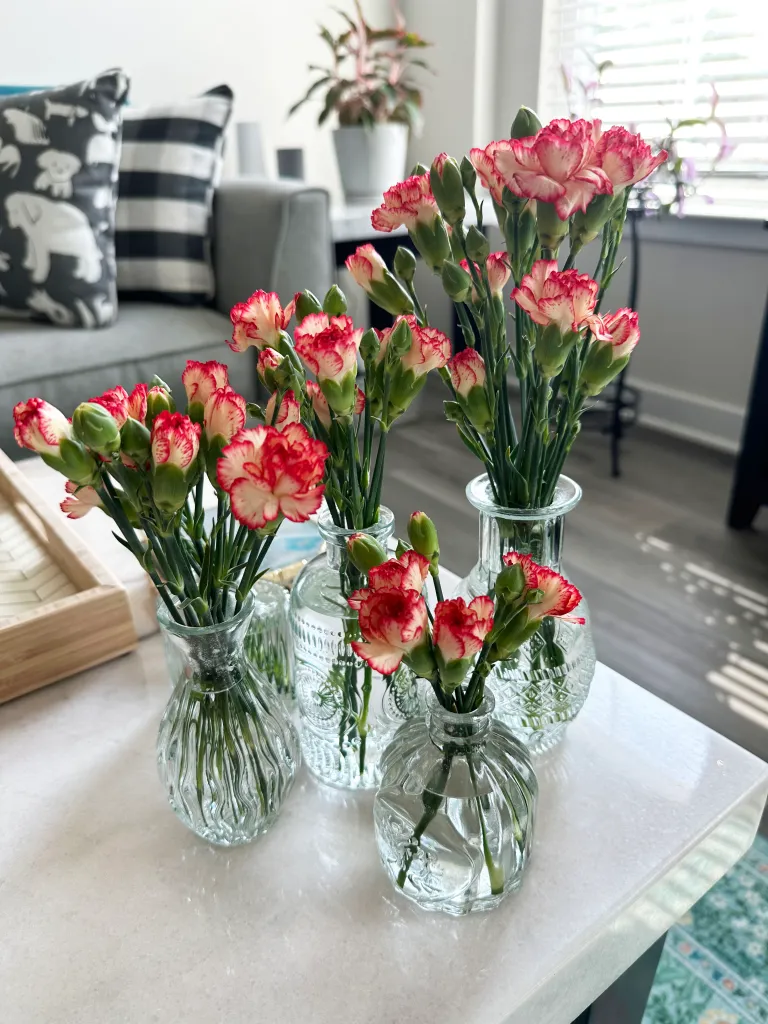
I’ve bought, broken, and eventually replaced so many glass bud vases over the years, it’s almost embarrassing. Want a surprising fact? Roughly 80% of the “bargain” bud vases I’ve picked up, especially those multipacks that promise variety, ended up chipped, cracked, or just looked terrible within a year. It’s a classic case of trying to save a few bucks only to spend more in the long run. I used to think a bud vase was just a bud vase. I was wrong.
My apartment is small, and I love bringing in single stems or tiny clusters from my garden or a farmer’s market run. But for a long time, these beautiful little blooms were sabotaged by the vase itself. They’d either tip over with the slightest nudge, look disproportionately clunky, or just feel cheap and disposable. The problem isn’t the flower; it’s almost always the vessel. I finally got fed up with the cycle of buying flimsy glass that had no business holding anything, let alone a precious bloom.
The Hidden Cost of ‘Bargain’ Bud Vases
You know the ones I’m talking about. The six-packs for $10, or the single, wafer-thin vase that came with a flower delivery. They feel light, almost like plastic, and usually have some kind of uneven finish or visible seam. I used to fall for the promise of ‘value’ or ‘convenience.’ What I got instead was constant frustration. I’d spend good money on fresh flowers, only to display them in something that immediately cheapened the entire look.
The real cost isn’t just the few dollars you spend. It’s the repeated purchases, the disappointment, and the environmental impact of constantly tossing broken glass. That’s money down the drain. Plus, a vase that can’t even hold its own weight, let alone a delicate stem, undermines the entire point of displaying flowers. It’s like buying a beautiful painting and hanging it with a thumbtack.
The Cycle of Cheap Glass
My cycle went something like this: Buy cheap vase. Use it a few times. Accidentally knock it, and it shatters. Or, worse, it just looks so bad with my decor that it gets shoved to the back of a cabinet. Then, when I get new flowers, I realize I need another vase, and the cycle repeats. I can tell you from experience, those ultra-thin glass pieces, often made from low-grade soda-lime glass, have almost no impact resistance. A gentle tap against a countertop, or even a sudden draft, can send them crashing.
I once had a very slender bud vase that looked elegant when empty, but as soon as I put a single long-stemmed rose in it, the whole thing became top-heavy and precarious. It stood there, a ticking time bomb, until one evening a cat brushed past, and crash. Rose everywhere, water on the floor, glass shards to clean up. It’s just not worth the hassle or the risk.
Why Your Single Stem Always Topples
The number one reason for toppling, in my experience, is a lack of proper weight distribution and a narrow base. Many cheap bud vases are designed to look delicate and minimal, but this often comes at the expense of stability. If the base diameter is too small relative to the height, or if the glass itself is too light, it’s a disaster waiting to happen. A single flower, especially one with a heavy head like a peony or a large rose, shifts the center of gravity significantly. You need a vase with some heft to it, particularly in the base, to counteract that.
I’ve also noticed that some inexpensive vases have very slight imperfections in their base, making them wobble even on a flat surface. It’s an almost imperceptible flaw until you fill it with water and a flower, and then suddenly it feels like it’s leaning. Always check the base for flatness and weight before you commit.
Understanding Glass Quality and Thickness for Durability
Before you even think about shape or style, you need to understand the glass itself. Not all glass is created equal, and this is where most budget options fail. The material and its thickness are directly tied to how long your vase will last and how well it will perform.
Soda-Lime vs. Borosilicate: The Practical Difference
Most everyday glass, including the cheap stuff, is made from **soda-lime glass**. It’s affordable, easy to produce, and what you’ll find in most windows and drinking glasses. The downside? It’s relatively brittle and prone to thermal shock – meaning sudden temperature changes can crack it. This isn’t a huge deal for a stationary vase, but it speaks to its overall fragility.
Then there’s **borosilicate glass**. Think Pyrex bakeware or laboratory beakers. It’s engineered to be much more resistant to thermal shock and breakage. It’s typically clearer, lighter, and surprisingly stronger than soda-lime glass of the same thickness. If you see a bud vase marketed as “heat-resistant” or “laboratory-grade,” it’s probably borosilicate. While often a bit pricier, a borosilicate bud vase is a serious upgrade in durability. I have a few simple test-tube style borosilicate vases, and they’ve survived multiple clumsy drops that would have annihilated their soda-lime counterparts.
You’ll also hear about lead crystal, but honestly, for a functional bud vase, it’s overkill and often comes with a much higher price tag due to its sparkle and perceived luxury. It’s beautiful, but not necessarily more durable for this specific use case.
Weight and Wall Thickness: Your Stability Checklist
When I pick up a bud vase, the first thing I do is feel its weight, especially in the base. A good bud vase, regardless of its height, should feel substantial. This is crucial for preventing those annoying topples. A heavier base lowers the vase’s center of gravity, making it much harder to knock over. I aim for something that feels grounded, not top-heavy or delicate.
Next, I check the wall thickness. Thin walls are a red flag. They chip easily, crack under minor pressure, and simply don’t have the structural integrity to last. You don’t need industrial-grade thickness, but you should be able to feel a decent heft when you tap the side gently. If it feels like it might flex or shatter with minimal pressure, put it back. For a standard 6-8 inch bud vase, I prefer glass that’s at least 2-3mm thick. Thicker glass also diffuses light beautifully, giving the water and stem a subtle, appealing distortion that cheap, thin glass just can’t replicate.
So, before you consider the aesthetics, focus on these two factors: base weight and wall thickness. They’re the unsung heroes of a durable, reliable bud vase.
Pairing Shapes with Stems: A Practical Guide
Once you’ve got a handle on glass quality, you can start thinking about form. Different shapes truly excel with different types of stems. Matching them correctly isn’t just about aesthetics; it’s about helping the flower stand properly and showcasing its unique beauty. Here’s what I’ve learned works best:
- The Classic Slim Neck: These are the iconic bud vases – a narrow neck flaring out slightly at the top, sometimes with a slightly wider base.
- Best for: Single, elegant stems like a long-stemmed rose, a delicate tulip, an iris, or a single gladiolus bloom. The narrow neck provides perfect support, keeping the flower upright without needing much water to hold it in place.
- What to avoid: Don’t try to cram multiple stems into these; it looks forced and often damages the flowers. Also, avoid very short, stubby stems that will disappear into the body of the vase.
- Bulbous Base with Narrow Mouth: These have a rounder, often squat body that tapers significantly to a smaller opening.
- Best for: Small clusters of flowers, like a few sprigs of hyacinths, a small bunch of lilies of the valley, or short-stemmed hydrangeas. The wider base holds more water and provides stability, while the narrow mouth gathers the small bouquet beautifully.
- What to avoid: Single, tall, thin stems can look lost or unsupported in these. They need a fuller, shorter arrangement.
- Cylindrical & Test-Tube Styles: Straight-sided, minimalist, and often quite tall.
- Best for: Wildflowers, herbs, or minimalist arrangements where the focus is entirely on the linearity of the stem. Think a single fern frond, a sprig of eucalyptus, or a few blades of ornamental grass. They also work well for a single, striking orchid stem.
- What to avoid: Overly ornate or full blooms can look out of place in these clean-lined vases. They thrive on simplicity.
- Mini Carafe/Bottle Shapes: These mimic small bottles, often with a slightly wider mouth than a classic bud vase and a more substantial body.
- Best for: Rustic arrangements, dried grasses, or a single statement bloom with some volume, like a ranunculus or a small dahlia. They have a charming, understated quality that suits a more natural, unfussy look.
- What to avoid: Very formal or stiff flowers can clash with their relaxed aesthetic.
The key is to let the vase support the flower, not overwhelm it. A good match makes both the bloom and the vase look better.
My Go-To Brands: What I Actually Buy (and What I Skip)
Alright, let’s get specific. I’ve wasted too much money on those flimsy multipacks you find everywhere; they’re almost always a disappointment. You deserve better. When I need a new bud vase, I don’t mess around. I go for reliability and quality that holds up. Here are my concrete recommendations based on years of trial and error:
Don’t buy: Any generic ‘clear glass bud vase set’ from a discount store or random online seller without specific brand names or thickness mentioned. They are almost always too thin, too light, and destined for the recycling bin. You’ll spend $15-20 on 6-12 vases that collectively last less time than one good one.
Dependable Everyday: The Anchor Hocking Bud Vase
For solid, no-nonsense durability and classic style, I always recommend the **Anchor Hocking 6.5-inch Bud Vase**. You can usually find these individually for about $5-8 at places like Walmart, Target, or even online. I’ve seen them at hardware stores too. They’re made from sturdy soda-lime glass, but Anchor Hocking does it right: the glass is thicker, and the base has a decent weight to it. They come in a classic slim-neck shape that’s perfect for a single rose, a few sprigs of lavender, or a small daffodil. I have several of these, and they’ve survived countless washes and minor bumps. They just work. No frills, just reliable glass.
Budget-Friendly & Robust: Libbey Cylinder Vases
If I need something slightly wider or a more modern, cylindrical look without breaking the bank, I turn to **Libbey**. Their **6-inch Cylinder Vases** (model usually around 90810 or similar) are fantastic. They typically cost about $4-7 each. While not specifically branded as ‘bud vases,’ their narrow diameter (around 2-3 inches) makes them ideal for small bouquets or even multiple single stems grouped together. The glass is thick, the base is stable, and they have a clean, unfussy look that blends with any decor. I use these for slightly fuller small arrangements, like a trio of tulips or a small bunch of chamomile. They’re excellent for creating a minimalist arrangement with a bit more volume than a traditional slim-neck bud vase allows.
For a Touch of Modern Elegance: Borosilicate Test-Tube Vases (Generic but Specific)
Sometimes, I want something a bit more contemporary and virtually indestructible. For this, I look for unbranded **borosilicate glass test-tube style vases**. You often find these sold by smaller home decor boutiques or on Amazon from sellers like ‘Pure Source Glassware.’ A single one, usually around 8-10 inches tall and 1 inch in diameter, can cost anywhere from $10-20. Yes, it’s more for a single tube, but the clarity of the borosilicate is stunning, and its resistance to chipping and breaking is phenomenal. These are my go-to for single, architectural stems like a Monstera leaf cutting, a tall sprig of eucalyptus, or a very modern rose. They’re an investment, but they genuinely last and elevate the look.
Beyond the Single Flower: Styling Your Bud Vases
A bud vase doesn’t just hold a flower; it contributes to the overall aesthetic of your space. Simply sticking a stem in and calling it a day is a missed opportunity. Here’s how I approach styling them to maximize their impact:
- Creating Visual Interest with Groupings: Never just one bud vase. Group them! I find odd numbers work best – three or five, for instance. Use vases of varying heights, even if they’re the same style. Place a taller one in the back, shorter ones in front. This creates depth and a more dynamic display. Mix in a variety of flower types, or keep it monochromatic for a sophisticated look.
- Mixing Textures: Don’t limit yourself to just the glass and the flower. Place your grouped bud vases on a wooden tray, a marble coaster, or a metallic charger. The contrasting textures make the glass pop and add another layer of visual interest to your vignette. A linen placemat or a piece of slate can also work wonders.
- Placement Matters: Where to Spot Them:
- Bedside Table: A single, fragrant bloom in a simple bud vase is a small luxury. Think a gardenia or a sprig of jasmine.
- Bathroom Vanity: Elevates a utilitarian space. Small, hardy flowers like pansies or even just a leafy green sprig work well.
- Bookshelf Nooks: Tuck a small bud vase into an empty space on a bookshelf. It breaks up the monotony of books and adds a touch of life.
- Kitchen Window Sill: Perfect for herbs or small cuttings. A cylindrical vase with some fresh basil or rosemary is both pretty and practical.
- Desk or Home Office: A touch of nature can boost your mood. I keep a small one with a single daisy or a succulent leaf on my desk.
- Cuttings and Greenery: You don’t always need fresh flowers. Bud vases are fantastic for propagating plant cuttings (like pothos or philodendron). Just water. They also look great with a single piece of interesting greenery, like a small fern frond, a eucalyptus branch, or even a sculptural dried stem.
The goal is to integrate them thoughtfully into your decor, not just plop them down. They’re small accents, but they can make a big difference.
The Quick Verdict: Don’t Compromise on Stability
My final word on glass bud vases is simple: don’t compromise on stability and thickness. It’s the absolute most critical factor. Skip the multipacks of flimsy, feather-light glass, and invest in pieces that feel substantial in your hand. Your flowers, and your floors, will thank you.

Leave a Reply