Responsible Denim Guide: Brands That Prioritize Planet and People (2026)

You’ve seen the marketing. A jean company plants a tree, slaps a “sustainable” tag on a pair of $200 jeans, and calls it a day. But the denim industry is still one of the dirtiest in fashion. A single pair of conventional jeans uses roughly 1,800 gallons of water and releases chemicals that poison rivers in developing countries.
This guide cuts through the slogans. Here’s what actually matters when buying denim that doesn’t trash the planet or exploit workers — and the brands that meet the bar in 2026.
What Makes Denim Actually Responsible? The Three Real Metrics
Most shoppers don’t know what to look for. Brands exploit that confusion. Here are the only three things that matter.
1. Water and Chemical Management
Conventional denim uses toxic indigo dyes and massive water baths. Responsible brands use waterless finishing technologies (like Jeanologia’s G2 ozone system) and natural or low-impact dyes. Look for GOTS-certified organic cotton — it uses 91% less water than conventional cotton. Also check for Bluesign certification, which verifies safe chemical use throughout production.
2. Labor and Wages
Fair Trade Certified factories pay workers a living wage premium. Fair Wear Foundation membership means a brand audits its supply chain for safe conditions and reasonable hours. If a brand won’t name its factories, that’s a red flag.
3. Circularity and Longevity
A pair of jeans worn 200 times has a lower footprint than a “sustainable” pair worn twice. Brands offering free repairs, take-back programs, or using recycled materials (like post-consumer recycled cotton) score higher. Mud Jeans, for example, operates a leasing model — you send jeans back after a year, they recycle them.
The Biggest Lie in Sustainable Denim Right Now

“Made with organic cotton” does not equal responsible. A brand can use 100% organic cotton and still pay workers $2 a day in unsafe factories. Or it can use recycled polyester blends but ship every pair individually in plastic.
Another trap: “capsule collection” sustainability. A brand launches one “eco” line while 90% of its production remains conventional. That’s not a commitment. That’s marketing.
The real test: Ask if the brand publishes a full list of its tier-1 and tier-2 factories. If it doesn’t, assume the worst. Patagonia and Nudie Jeans do. Most others don’t.
5 Denim Brands Actually Doing the Work (2026 Update)
These brands meet at least three of the real metrics above. None are perfect — but they’re transparent about where they fall short.
| Brand | Price Range | Key Certifications | Best For | Repair Program |
|---|---|---|---|---|
| Nudie Jeans | $150–$250 | Fair Wear, GOTS organic cotton, Bluesign | Classic fits, raw denim fans | Free repairs at any store, lifetime |
| Mud Jeans | €95–€135 (lease from €9.95/month) | GOTS, Cradle to Cradle Gold, Fair Wear | Circular economy, budget-friendly leasing | Take-back for recycling, lease swap |
| Patagonia | $89–$169 | Fair Trade Certified, Bluesign, 1% for the Planet | Outdoor durability, wide sizing | Worn Wear trade-in and repair |
| Kuyichi | $120–$180 | GOTS, Fair Wear, PETA-approved vegan | Vegan options, modern cuts | No formal program, but uses recycled materials |
| Levi’s (WellThread line) | $98–$128 | Water| Accessible price, classic Americana |
Limited repair in select stores |
|
When NOT to Buy Responsible Denim (And What to Do Instead)
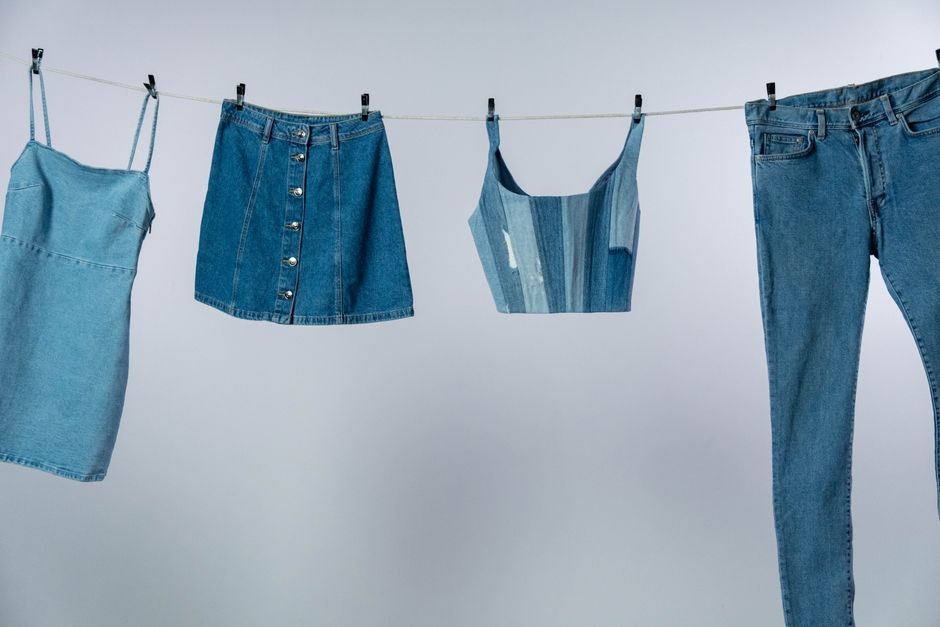
Sometimes the most sustainable choice is to buy nothing new at all. Here’s when to skip a purchase.
Your body hasn’t changed in 6 months. Before buying new jeans, check thredUP, Depop, or local vintage stores. A used pair of Levi’s 501s ($30–$60) has zero new-production footprint. You can often find Nudie Jeans for under $80 on resale sites.
You need one pair for a specific event. Renting is better. Mud Jeans lease program is one option. For formal denim, try Rent the Runway — they carry several sustainable brands.
You’re buying fast fashion. A $25 pair of jeans from a mass retailer is almost certainly made under poor labor conditions with toxic dyes. If your budget is tight, thrift first. If you must buy new, Uniqlo has a basic denim line that uses some recycled materials and is Bluesign-certified for about $50.
How to Spot a Greenwashing Denim Brand in 30 Seconds
Three quick checks before you click “add to cart.”
Check the product page for a certifications section. If you see only vague terms like “eco-friendly” or “sustainable” without a specific logo (GOTS, Fair Trade, Bluesign, B Corp), the brand is hiding something. Nudie Jeans puts its certifications right under the price.
Search “[brand name] factory list.” If the brand doesn’t publish factory addresses or audit reports, walk away. Patagonia lists every factory on its website.
Check if the brand offers repairs. A brand that wants you to buy less is more trustworthy than one that wants you to buy repeatedly. Nudie Jeans offers free repairs for life. Levi’s only offers repairs in a handful of flagship stores.
The One Pair You Should Buy Right Now (If You Have to Buy)
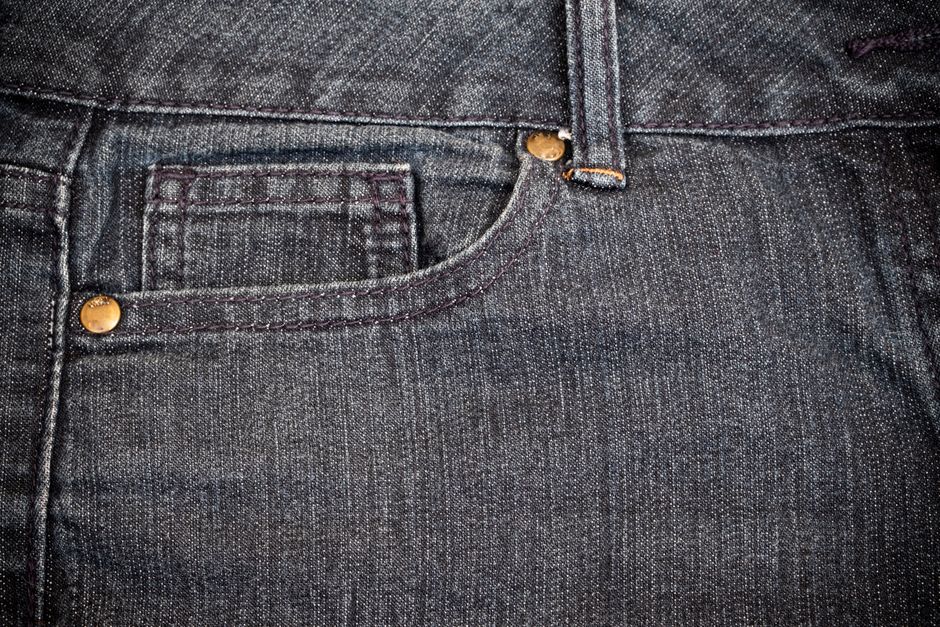
If you need one pair of responsible jeans in 2026 and you want the best balance of ethics, durability, and style, get Nudie Jeans Lean Dean Dry Organic Selvage ($220). It’s made from GOTS-certified organic cotton, sewn in a Fair Wear-audited factory in Italy, and Nudie will repair it for free forever. The raw selvage denim will fade beautifully over years of wear — meaning you’ll actually want to keep it that long.
If $220 is too steep, the Levi’s 501 Original Fit in WellThread ($98) is the best budget option. It uses Water