Inclusive Sizing in Fashion: Fit Beyond the Label

Inclusive sizing in fashion should mean equal access to well-designed clothes, not a few extra numbers added to a size chart. A brand earns trust when it offers the same style, fabric quality, color choices, and shopping experience across a broad range of bodies. That requires better pattern making, honest measurements, useful model information, and reliable stock.
The most convincing examples do more than advertise a large range. Universal Standard builds core styles from 00 to 40. Good American carries selected denim styles from 00 through 32 Plus. Girlfriend Collective shows how detailed body measurements can make a size chart more useful, with some pieces ranging from XXS to 6XL. These examples prove that access can work, but they also show why a size label alone cannot tell the whole story.
Why Inclusive Sizing Is a Design Issue, Not a Trend
Size labels do not describe one universal body
A size 12 at one store may fit like a size 10 or 14 somewhere else. Brands use different blocks, grading rules, fabric choices, and target customers. The number on the tag describes a brand’s internal system, not a fixed measurement shared across the fashion industry. That is why shoppers often carry several sizes into a fitting room or order the same garment in two or three sizes online.
The problem becomes sharper at the edges of a brand’s range. Many labels design a sample in a smaller size, then enlarge the pattern by set amounts. That approach may widen a garment without changing the rise, armhole, bust placement, shoulder slope, thigh shape, or length in a way that matches a real body. The garment technically reaches a larger size, but it may still pull, gape, twist, or restrict movement.
Good fit begins before the sample size
Inclusive design starts by fitting several body types during development. A brand should test garments on bodies across its full range, then adjust each section of the pattern. A larger size may need more room through the upper arm, a different bust curve, a higher back rise, or a stronger waistband. A petite customer may need the same thought applied to sleeve length and pocket position.
The verdict is clear: inclusive sizing is a production decision. Marketing can introduce the promise, but pattern work, fit testing, fabric selection, and inventory determine whether shoppers receive clothes that actually work.
What Real Size Inclusivity Looks Like in Practice
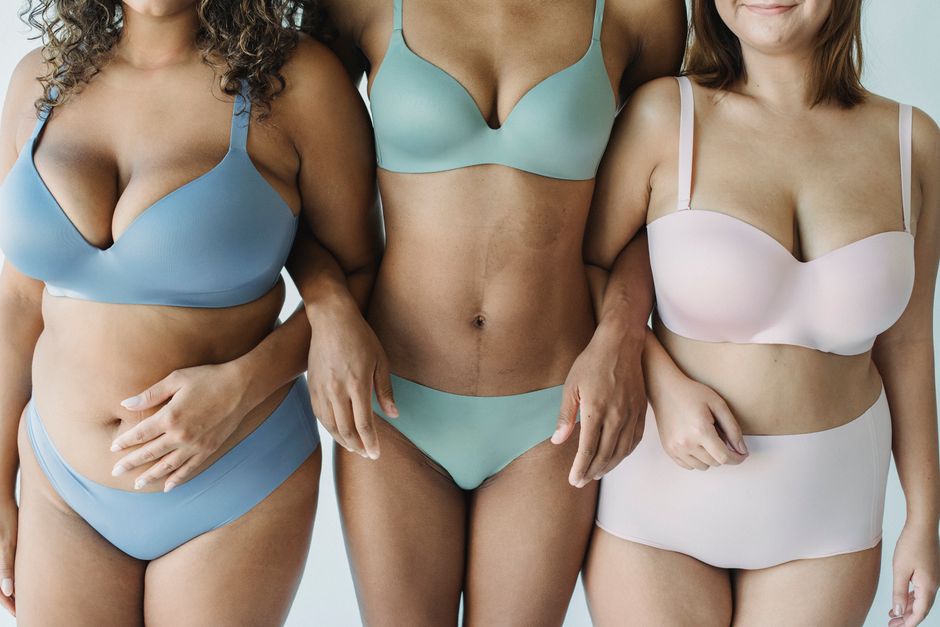
A wide range is a useful starting point, but shoppers should look for several signals at once. The table below compares three recognizable examples without treating any single brand as perfect.
Range, measurements, and construction tell different stories
| Fashion example | Published size detail | Useful signal | What shoppers still need to check |
|---|---|---|---|
| Universal Standard Geneva Dress | Universal Standard offers core styles from 00 to 40 | The brand keeps one main collection instead of separating shoppers into two different stores | Garment measurements, fabric stretch, length, and stock by color |
| Good American Good Classic Bootcut Jeans | Sizes 00 through 32 Plus; listed price $148 | Power-stretch denim and a broad denim range support movement and curve fit | Rise, inseam, waist placement, and availability of the largest sizes |
| Girlfriend Collective Java Bandeau Bra | XXS through 6XL; listed bust guide reaches about 60.5 inches | The chart connects labels to body measurements | Support level, compression, fabric recovery, and band comfort |
Availability is part of inclusivity
A brand does not offer meaningful access if sizes 28 to 40 appear only in one black basic, remain permanently sold out, or cost more because the company treats them as special production. The strongest model keeps the same design choices across the range and replenishes the sizes customers need.
For shoppers, the best evidence is a combination of range, measurements, fit notes, model diversity, and stock. For brands, the strongest verdict is simple: offer the whole collection at launch whenever the production plan allows it, then report which sizes sell out and restock them instead of treating demand as a surprise.
How to Check a Size-Inclusive Brand Before You Buy
Do not judge a brand from a single “inclusive” label on its homepage. Use this five-step check before placing an order.
Start with your measurements, not your usual size
- Measure your bust, natural waist, full hip, and inseam with a soft tape. Keep the tape level and avoid pulling it tight.
- Write down the measurement range that matters for the garment. A dress may fit at the bust but fail at the hip, while jeans may fit the hip but pinch at the waist.
- Compare those numbers with the brand’s garment or body chart. If the chart gives only a letter or a number, treat it as incomplete information.
- Read the fabric details. A garment with 2% elastane behaves differently from a woven linen piece with no stretch.
- Check returns, exchange timing, and final-sale rules before buying. A broad size range does not excuse a difficult return process.
Look for fit information that helps real decisions
Useful product pages identify the model’s height, size, bust or waist measurement, inseam, and the garment’s actual dimensions. They explain if the item runs small, fits through the hip, has a relaxed shoulder, or uses compression fabric. Photos should show more than one body shape when the design changes across sizes.
The strongest buying method is to compare a garment you already own with the brand’s measurements. Lay it flat, measure the chest or waist, and compare like with like. This reduces the risk of choosing a size from memory, especially when different brands use different labels. For online shopping, clear measurements and fair returns matter more than a polished “one size fits all” claim.
Why the Size Number Matters Less Than the Garment Fit

A smaller label does not create a better outfit
The best size is the one that lets the garment sit correctly and lets your body move. A jacket should close without strain across the bust. Trousers should stay at the intended rise while walking and sitting. A dress should hang from the shoulders instead of pulling across the stomach or hips. None of those outcomes improves because the tag shows a smaller number.
Measure movement, not only a standing pose
Try the practical motions you will use in the garment: sit in a chair, lift both arms, walk up stairs, bend at the waist, and reach forward. Watch for pulling at seams, a waistband that rolls, pockets that open, or sleeves that ride up. These are fit problems, not body problems.
My verdict: choose the garment with the best shape and comfort, even if the label differs from your usual size. A reliable wardrobe comes from repeatable measurements and honest fit notes. It does not come from chasing a number that changes from store to store.
Where Fashion Brands Still Fail Shoppers
Adding sizes without changing the business behind them is not inclusion. The most common failures appear in ordinary shopping moments, which makes them easy to miss in brand campaigns.
Common mistakes that create a fake size range
- Scaling one small pattern upward: The garment grows wider but ignores bust shape, rise, arm circumference, shoulder width, or thigh placement.
- Separating the collection: Larger sizes receive fewer colors, fewer trend pieces, and different fabrics than the straight-size range.
- Using vague charts: A chart lists S, M, L, and XL without body measurements or garment measurements.
- Making extended sizes online-only: Customers cannot compare fit in stores and may face longer shipping or fewer return options.
- Producing tiny quantities: A size technically exists, but it disappears at launch and returns only during clearance.
- Using one model as proof: One body cannot show how a structured garment behaves across a full range.
What a trustworthy brand should show
Look for fit testing across several sizes, consistent fabric quality, full-range color choices, and clear stock information. A brand should explain the difference between body measurements and garment measurements. It should also state when a style changes shape at larger sizes, such as adding a longer rise or a wider sleeve opening. Those changes are not flaws; hiding them is the problem.
Shoppers should be cautious when a brand announces an expanded range but removes those sizes from sale sections, excludes them from campaign images, or gives them a separate and less attractive product line. The clearest recommendation is to reward brands that make inclusion visible in design, supply, and customer service—not only in a press release.
How Inclusive Sizing Changes Wedding and Event Dressing

Can a broad size range reduce event-dressing stress?
Yes, when the range includes the actual garment a customer wants. Event dressing creates tight deadlines, so shoppers need more than a size chart. They need accurate measurements, dependable delivery, enough time for alterations, and a silhouette that works with their body proportions. A formal dress that fits the bust may still need a different length, sleeve opening, or waist position. Retailers should make those details visible before checkout.
Universal Standard’s Geneva Dress is a useful example of a broad-range approach because the brand presents its core styles across 00 to 40. That does not guarantee a perfect fit for every body, but it gives shoppers access to the same basic design. For a guest who wants a simple dress rather than a special “plus” version, that shared collection can remove one needless barrier.
What should shoppers check for a wedding guest outfit?
First, check the garment’s finished measurements and fabric recovery. Stretch can help with comfort, but it cannot fix a shoulder seam that sits too far out or a waist that lands in the wrong place. Second, check the return window and order at least two weeks before the event when possible. Third, plan shoes and undergarments before judging the final length and drape.
When should you choose an alternative?
If a brand offers your label but not your proportions, choose a garment with adjustable features. Wrap dresses, elastic-backed trousers, tie waists, stretch ponte, and separates allow more control than a rigid, one-piece cut. Good American’s Good Classic Bootcut Jeans, listed at $148 and offered through size 32 Plus, show the value of stretch denim, but a structured non-stretch pair may work better for someone who wants a crisp shape and plans professional tailoring.
For weddings, the winner is the garment with reliable measurements, enough movement for several hours, and a realistic alteration path. A large size range matters, but comfort and timing decide whether the outfit succeeds.
What Shoppers Should Demand From Inclusive Fashion Next
Inclusive sizing should become ordinary enough that shoppers stop treating access as a special feature. The next step is better information: consistent body charts, garment measurements, fit notes, model details, and stock data that remain visible for every size. Brands should also publish how they test patterns and how often they restock extended sizes.
A practical standard for judging a collection
Use this test: can a shopper in the smallest size and a shopper in the largest size choose from the same design, color, fabric quality, delivery method, and return policy? If the answer is no, the brand has expanded a chart but not the full shopping experience.
The clearest recommendation
Choose brands that fit-test across their range and publish measurements for each garment. For a first purchase, start with a style that has adjustable details, proven fabric stretch, and a fair return policy. That approach gives you a better chance of finding clothing that respects your body and your budget.
Fashion becomes genuinely inclusive when size is treated as a design requirement rather than a seasonal marketing theme. The brands worth supporting are the ones that make equal choice visible in their patterns, product pages, inventory, and customer care.