How to Spot High-Quality Clothing Basics That Last
You notice the problem after the fourth wash. The black T-shirt has twisted side seams, the collar stands away from your neck, and small pills cover the underarms. It looked fine on the hanger. It even felt soft in the fitting room. Six months later, it is no longer part of your wardrobe.
I have bought enough “timeless” basics to learn that a high price does not guarantee a long life. A $100 shirt can fail faster than a $30 one if the fabric is weak or the cut fights your body. The reliable clues are practical: fiber content, fabric weight, seam work, shape recovery, and how much stress the garment can handle.
A decade is possible for the right basics, but no shirt survives ten years of weekly hot washes and careless drying. The goal is to buy pieces with enough material and sound construction to earn repeated wear, then care for them in a way that does not destroy the fibers.
Start With the Fabric, Not the Label
My first buying rule is simple: read the inside label before admiring the logo. A famous brand can still sell a flimsy shirt, while a less exciting label may use a dense, well-finished fabric. The fiber tells you what the garment can do; the fabric structure tells you how long it may keep doing it.
Read the fiber blend for the job
For everyday T-shirts, 100% cotton remains my safest starting point because it is breathable, easy to repair, and comfortable across seasons. Long-staple cotton, such as Supima or Pima, usually feels smoother because the fibers are longer and less likely to break into surface fuzz. That does not make every Pima shirt durable, but it gives the maker better raw material.
Blends can be useful. A cotton shirt with 3% to 5% elastane has better stretch and shape recovery, especially in a close fit. The tradeoff is that elastane loses strength under high heat and harsh drying. For trousers, 2% elastane can add comfort, but a pair with 8% or more often feels softer at first and bags out sooner at the knees.
Wool works well in sweaters because the fiber can regulate warmth and resist odor. Look for merino with a firm knit rather than a loose, sheer surface. Linen is excellent for summer shirts, but expect natural wrinkling. Polyester is not automatically cheap; tightly woven recycled polyester can make a strong fleece or rain layer. I judge the fiber by the job, not by a simple natural-versus-synthetic rule.
Use weight, density, and recovery as clues
Hold the garment toward a light. If you can see large gaps between the yarns in a basic T-shirt, it may be too open for heavy rotation. A useful everyday T-shirt often falls around 160 to 220 grams per square metre, while heavyweight tees may reach 240 grams per square metre or more. The heavier option feels substantial, but it can also run warmer and take longer to dry.
Press a section of fabric between your fingers, then release it. Dense fabric should return without looking permanently crushed. Stretch a ribbed collar gently from side to side. It should recover instead of remaining wide. For knitwear, inspect the inside: a stable, even knit is a better sign than a very soft, loose one that already shows gaps.
| Garment | Useful quality signal | Warning sign |
|---|---|---|
| T-shirt | 160–240 gsm fabric, even knit, collar with firm ribbing | Visible gaps, thin shoulder tape, collar that stays stretched |
| Jeans | 12–15 oz denim for durable everyday wear | Very thin denim, loose belt loops, weak pocket corners |
| Sweater | Dense knit, tidy ends, consistent surface | Sheer knit, loose loops, heavy pilling before washing |
| Shirt | Secure buttons, clean placket, reinforced side seams | Loose button threads, puckered seams, transparent body fabric |
My verdict: choose the fabric that matches the work you will ask it to do. For a daily T-shirt, density and collar recovery matter more than a luxury label.
Inspect the Garment in Five Minutes
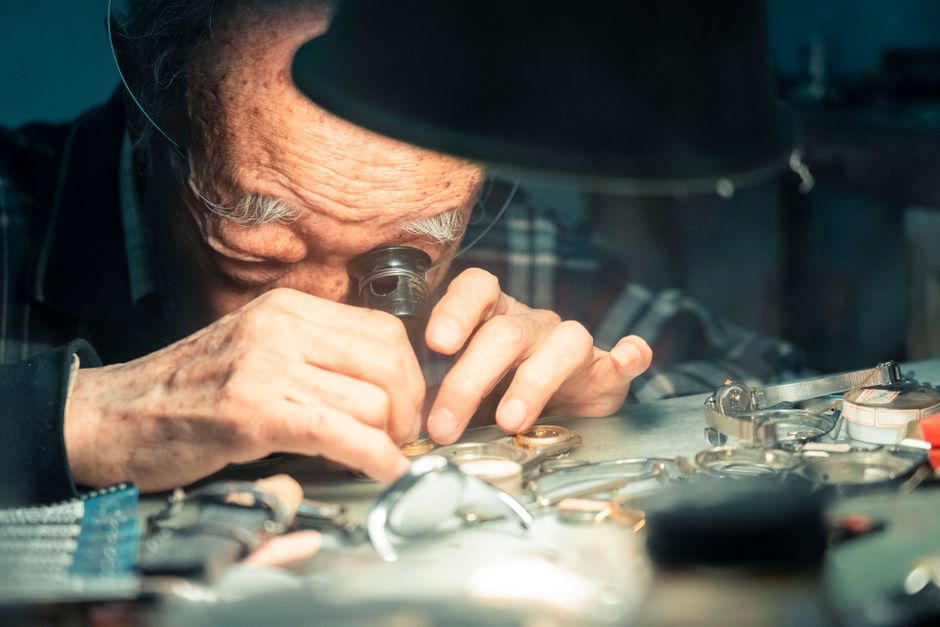
The fitting room gives you enough time to find most construction problems. You do not need special tools. Your hands, eyes, and a little movement tell you more than a product description filled with words such as “premium” and “elevated.”
The five-point seam test
- Check the shoulder seam. It should sit at or close to the natural shoulder point. A seam that drifts far down the arm can be a design choice, but on a standard shirt it often signals a careless cut.
- Turn the garment inside out. Look for even stitches with no long loops or skipped sections. A secure seam usually has consistent spacing rather than a rushed, uneven line.
- Inspect stress points. Check the crotch, pocket corners, underarm, side seams, and button placket. These areas need extra stitching, a clean finish, or a small reinforcement.
- Pull gently at the seams. A small gap between stitches can be normal, but the seam should not open wide when you apply light tension. If the thread snaps or the fabric separates, put the garment back.
- Study the pattern matching. On stripes and checks, the lines should meet reasonably at the pocket, side seam, or placket. Perfect matching costs more fabric and labor, so it is not required everywhere, but careless mismatching often appears beside other shortcuts.
The stress test you can do while wearing it
Raise both arms, sit down, reach forward, and twist once. A good basic should move with you without pulling hard across the back or exposing half your waist. If the fabric strains at the buttons while you stand still, the garment is too small or the cut is wrong for your body. Do not size up automatically; a larger shirt may fix the chest but create drooping shoulders and excess fabric at the waist.
Look at the garment from the side. A T-shirt that swings forward or backward can have uneven side seams. A pair of trousers that forms diagonal drag lines from the fly toward the hips may need a different rise or cut. These problems will not disappear after washing.
Check the hem as well. A straight hem should hang evenly, and a curved hem should repeat its curve without sharp corners. For jackets and coats, open and close the front several times. The lining should not tug, and the outer fabric should lie flat after you button or zip it.
My verdict: if a basic fails the inside-out inspection or feels restrictive during normal movement, do not buy it because the color is perfect. Construction problems become more visible with wear.
Use Construction to Separate Good Basics From Cheap Ones
My strongest opinion: spend your money on fabric and construction before you spend it on branding. I have owned inexpensive basics that survived years because they had dense cotton, straight seams, and simple styling. I have also owned expensive pieces that failed because the brand relied on a soft hand-feel and a fashionable label instead of enough material.
For T-shirts and shirts, inspect the details people skip
The Uniqlo U Crew Neck T-Shirt is a useful benchmark for an everyday heavyweight tee. It has a firm 100% cotton feel, a structured collar, and a boxier cut than a thin undershirt. At a typical full price around $25, it proves that durability does not always require a premium budget. I prefer it for casual rotation, but I would not choose it under a fitted blazer because the heavier fabric and wider shape can look bulky.
Buck Mason’s Pima Curved Hem Tee, usually around $45, offers a smoother hand and a more shaped fit. The longer curved hem works well with jeans or relaxed trousers, and the fabric feels more polished than a basic gym tee. My pick for a neat casual outfit is Buck Mason, provided the wearer likes a closer cut. For hard daily wear, the Uniqlo U shirt wins on value and structure.
For a button-up, inspect the collar stand, sleeve placket, and button attachment before you judge the print. A shirt with a clean collar and reinforced buttons will serve more outfits than one with a dramatic pattern but weak finishing. L.L.Bean’s Scotch Plaid Flannel Shirt, often priced near $70, is a good example of a practical cold-weather basic: 100% cotton, brushed for softness, and made for repeated casual wear. I would choose it over a very thin flannel that looks softer in the shop but loses shape quickly.
For denim and knitwear, buy the version you can maintain
Levi’s 501 Original Jeans remain my straightforward choice for a durable everyday jean when you select the rigid 100% cotton version. The button fly, five-pocket layout, and broad repair support make the design easy to keep in service. A typical full price sits around $80, though washes and sales change the number. The tradeoff is real: rigid denim feels stiff at first and gives less comfort than stretch denim. If someone needs immediate mobility for work, I would choose a jean with 1% to 2% elastane rather than pretend stiffness equals quality.
For a sweater, the Uniqlo Extra Fine Merino Crew Neck, usually around $50, is a sensible entry point because the fiber is light, breathable, and easy to layer. It is not the densest merino sweater available, so I would not buy it for rough outdoor work. For that job, choose a heavier knit with more abrasion resistance. Patagonia’s Better Sweater Jacket, often near $160, uses recycled polyester fleece and handles casual layering better than a delicate merino pullover, but it is warmer, bulkier, and less formal.
These examples show why “best quality” has no single winner. My clear picks are the Uniqlo U tee for hard-working casual rotation, Buck Mason for a cleaner fitted look, Levi’s rigid 501 for repairable denim, and L.L.Bean Scotch Plaid Flannel for a dependable cold-weather shirt. The right choice comes from the expected workload, not the highest price tag.
Fit and Care Decide the Decade
A well-made garment can still fail early if the fit creates constant strain or the washing routine cooks the fibers. The best long-term basic is one that sits correctly on your body and fits your actual laundry habits.
Can a perfect fabric still fail?
Yes. A shirt that is too tight across the chest will pull at the armholes every time you reach forward. Trousers that are too small at the seat will stress the pocket corners and waistband. A sweater that fits tightly at the elbows will develop shiny, worn patches faster than a relaxed knit.
Buy enough ease for movement, but do not use “oversized” as an excuse for poor balance. The shoulder should match the intended cut, sleeves should finish at the wrist bone for a standard shirt, and trouser hems should not collapse into a thick stack unless that shape is deliberate. If the garment needs repeated tugging after you put it on, it is not a good basic for you.
How should long-lasting basics be washed?
Wash darks and colors inside out in cool or lukewarm water, usually below 30°C or 86°F. Use a mild detergent and skip excess product; detergent buildup can stiffen fibers and trap odor. Avoid washing a T-shirt after every brief indoor wear unless it is sweaty or stained. Air-dry cotton flat or on a broad hanger, and keep heavy sweaters flat so the shoulders do not stretch.
Heat is the quiet destroyer. A hot dryer shrinks cotton, weakens elastane, and can set stains. If you must tumble dry, choose low heat and remove garments while slightly damp. Repair loose buttons immediately, trim loose threads instead of pulling them, and mend small holes before they become long tears.
Rotate at least three or four versions of a frequently worn basic. Letting one shirt rest between wears reduces friction, odor buildup, and repeated washing. My verdict: fit the garment for movement, wash it cool, dry it gently, and repair small damage early. Those habits matter as much as the original purchase.
What I Would Buy, and What I Would Skip
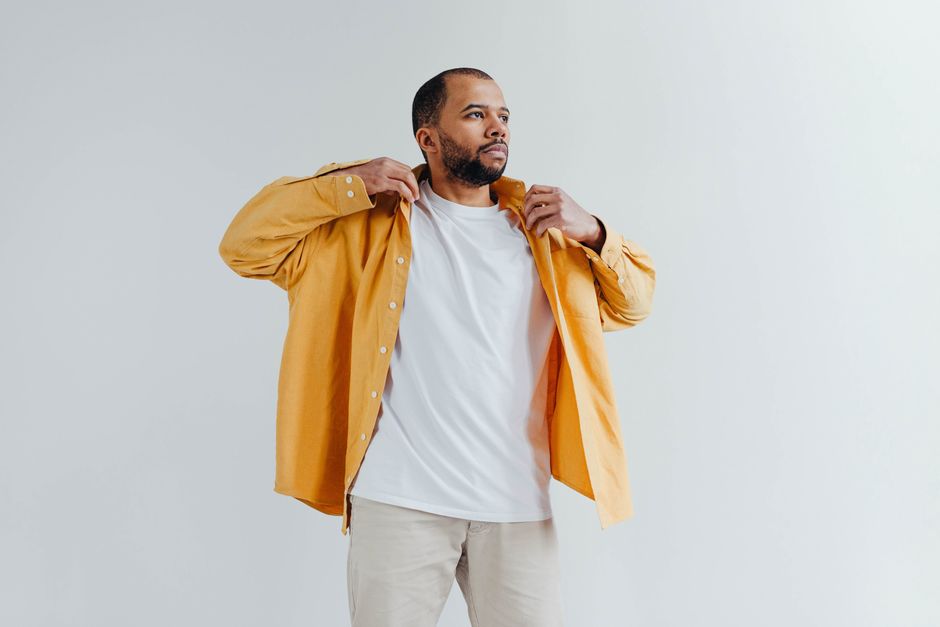
I would rather own five sturdy basics in plain colors than fifteen flimsy pieces that need replacing every season. My buying list starts with simple silhouettes, dependable fibers, and prices that match the garment’s expected workload.
My practical shortlist
- Everyday T-shirt: Uniqlo U Crew Neck T-Shirt, around $25. Choose it for dense cotton, a firm collar, and low-risk casual wear.
- Polished T-shirt: Buck Mason Pima Curved Hem Tee, around $45. Choose it for a smoother finish and a more shaped fit.
- Jeans: Levi’s 501 Original in rigid 100% cotton, around $80. Choose it when repairability and long-term wear matter more than instant softness.
- Flannel: L.L.Bean Scotch Plaid Flannel Shirt, around $70. Choose it for a substantial cotton layer that can handle regular autumn and winter use.
- Light sweater: Uniqlo Extra Fine Merino Crew Neck, around $50. Choose it for compact layering under a jacket or blazer.
When not to pay more
Do not pay extra for a “heritage” label if the fabric is thin, the seams are crooked, or the care instructions demand treatment you will never follow. Do not buy a delicate cashmere blend for a job that involves backpacks, rough desks, or constant commuting. Do not choose a rigid jean for physical work if a small amount of stretch will let you move safely.
Pay more when the upgrade solves a clear problem: stronger denim for daily wear, a better collar for repeated washing, a denser sweater for cold weather, or a precise fit that makes one garment replace several weaker ones. Skip the purchase when the only improvement is a logo, unusual packaging, or a softer finish that comes from a loose, fragile knit.
The single most important test is this: buy clothing basics whose fabric, construction, fit, and care routine are strong enough for the life you will actually give them.