One-Piece Swimsuits with Padded Bottoms: 7 Picks That Actually Add Shape
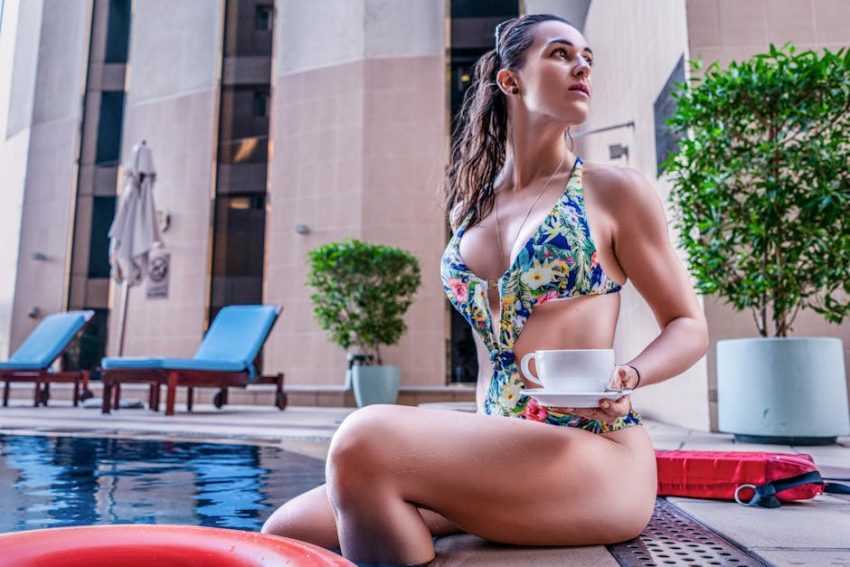
Will the padding in this swimsuit actually add shape, or just make it obvious you’re wearing foam? That’s the real question. And the honest answer depends almost entirely on two things: the foam density and where it sits on the suit.
Get both right, and the effect is seamless. Get either wrong, and you spend the day tugging at your seat and wondering why you bothered. This guide covers what padding is actually made of, which brands have figured out the construction, and exactly when you should skip padded swimsuits entirely and buy something else.
Why the Seat of a Swimsuit Is Harder to Get Right Than the Top
Most swimsuit buyers agonize over bust support, cup shape, underwire, straps. The bottom half gets treated as an afterthought. But a poorly fitting seat ruins the whole suit — proportions go off, fabric bunches, and no amount of adjustment fixes it once you’re at the beach.
Padded bottom swimsuits work on the same principle as push-up bras: foam inserts create the illusion of more volume than exists naturally. The difference is execution. Swimwear takes a brutal beating — chlorine, saltwater, UV exposure, and constant friction from sitting on pool edges and rough sand all degrade foam far faster than most buyers expect.
The three factors that separate working padding from wasted foam
Placement matters more than thickness. Padding that sits too high on the seat looks like a lumbar pillow. Padding centered too precisely reads as a medical device. The best designs distribute foam across the lower half of the seat in a curved shape that follows natural anatomy. When you look at the inner lining of the suit before buying, the pockets should sit low and wide — not centered and high.
Density is the second variable. Foam that’s too thick holds its shape rigidly when you sit — which looks wrong, because real anatomy doesn’t do that. Foam that’s too thin compresses flat the moment you sit down and adds nothing. The 5–10mm range in closed-cell foam is the functional sweet spot. Most brands don’t list this measurement, which is one reason reviews matter more than product descriptions when shopping this category.
Attachment method is where budget products most commonly fail. Sewn-in padding stays in position but can’t be removed for proper washing. Removable padding (held in place by interior pockets) is more hygienic but shifts during movement if the pockets are loose. UPOPBY and Tempt Me both use snug-fit removable pocket systems — their padding stays put through active beach use better than most competitors in this price range.
Open-cell vs. closed-cell foam: the material distinction worth understanding
Open-cell foam — the same material used in cheap chair cushions — absorbs water like a sponge. After an hour in the pool, you’re carrying an extra 200–300ml of water in your seat. Drying time runs four to six hours. This is what you get in most swimsuits under $25.
Closed-cell foam repels water at the surface. It still gets wet, but water doesn’t penetrate the foam structure — so drying time drops to under an hour. The suit feels lighter coming out of the water, the padding retains its shape, and the foam lasts significantly longer before compressing permanently. Every dollar you spend over $35 on a padded swimsuit should be buying you closed-cell construction instead of open-cell. If a product listing doesn’t mention foam type, check the reviews for comments on how quickly it dries.
Padding Materials Compared Side by Side

The material inside the pad determines how the suit performs in real conditions. Here’s what you’re actually choosing between:
| Padding Type | Water Resistance | Drying Time | Shape Quality | Price Range | Best For |
|---|---|---|---|---|---|
| Open-cell foam | Low | 4–6 hours | Soft, compresses easily when wet | $20–$35 | Occasional lounging, minimal swimming |
| Closed-cell foam | High | 30–60 min | Holds shape under pressure | $35–$55 | Active beach and pool use |
| Silicone insert | Very high | Under 20 min | Most natural movement and feel | $55–$80 | Daily swimmers, tropical climates |
| Memory foam hybrid | Medium | 2–3 hours | Excellent resting shape, compresses when active | $40–$65 | Resort vacations, mostly out of water |
One honest note: true high-end swimwear brands — Melissa Odabash, Hunza G, Lisa Marie Fernandez — don’t offer padded bottoms. This category lives in the $35–$65 range. Spending beyond that on a designer label doesn’t get you better padding. It gets you premium fabric and no foam at all.
7 One-Piece Swimsuits with Padded Bottoms Worth Buying
Every pick below is chosen based on construction quality, verified buyer feedback on padding stability in water, and value for price. Each has a clear recommendation on who it’s best for.
- UPOPBY Padded Butt Enhancer One Piece (~$38–$45)
UPOPBY built their entire product line around this concept, and the result shows in the details. The closed-cell foam pads sit in tight interior pockets and don’t shift during active movement. Available in sizes XS through 4XL. The fabric is an 80/20 nylon-spandex blend with UPF 50+ protection. Best overall pick for first-time buyers — the padding placement is well-calibrated for most body types, and the wide size range means fewer fit surprises. - Tempt Me Butt Pad One Piece (~$40–$52)
The padding here is slightly thinner than UPOPBY’s — which actually looks more proportional on leaner frames. Adjustable straps, tummy control panel, sizes S–XXL. The limitation is color selection: mostly solid colors and simple prints. If you want pattern options, look elsewhere. If you want reliable construction and a more subtle lift, this is the pick. - Smismivo Ruched Padded One Piece (~$32–$42)
Ruching on the seat adds visual volume on top of the foam padding — a smart double approach. The gathered fabric creates the illusion of fullness even when the foam compresses. Better for pool lounging than lap swimming since the ruching creates slight drag in the water. Size range goes to 3XL, and the ruching also does useful work at concealing any shifting of the pads underneath.
A note on sizing before continuing: padded swimsuits fit differently than standard ones because the foam adds structure to the fabric. If you’re between sizes, order your smaller size first. The suit should feel snug in the seat — that’s the padding doing its job, not a sign you need to size up.
- Relleciga Cutout One Piece with Butt Pads (~$45–$58)
More fashion-forward than the other picks — Relleciga offers cutout and high-leg designs that look current rather than functional. The trade-off: cutout designs are less forgiving around the seat, so sizing accuracy matters more here. Go true to size, not up. Best pick if you want something that looks intentional and stylish rather than purely practical. - Shekini Tummy Control Padded One Piece (~$35–$48)
Shekini targets two concerns simultaneously: midsection compression and seat volume. The internal boning around the waist creates a nipped-in effect that works well alongside the seat padding, producing an hourglass silhouette. Specifically good for apple-shaped bodies where the waist definition matters as much as the seat shape.
Generic tip worth noting here: if you’re buying online and the product photos only show the swimsuit on a model from the front, search the reviews specifically for photos submitted by customers. Those show the back view and the actual padding profile from real body angles — which is the only view that matters for this category.
- Cocoship Vintage Halter One Piece (~$30–$40)
The most subtle option on this list. Cocoship’s padding is thinner than most competitors — more of a gentle lift than a dramatic shape change. If you want padding that doesn’t announce itself, this is the right pick. The vintage halter silhouette also draws visual attention upward, which works with the more understated seat construction. - Floerns High-Cut Padded One Piece (~$28–$38)
The budget pick, and honest about its trade-offs. Open-cell foam means it absorbs water and takes hours to dry — not ideal for active swimmers. But the high-cut leg opening elongates the silhouette visually, and for beach days where you’re mostly not in the water, the padding holds its shape fine. Size range is XS–XL only, which limits it for plus-size shoppers.
The Sizing Mistake That Makes Padding Look Wrong
Ordering a size up for “more room” is the single fastest way to make padded swimwear look odd. The pads are positioned to align with specific anatomical points — when the suit has excess fabric, those pads drift away from where they’re designed to sit. Order your exact size. If it feels snug in the seat at first, that’s correct.
When to Skip Padded Swimsuits Entirely
If you swim laps more than twice a week, padded bottom swimsuits are the wrong category.
The padding creates drag in the water, adds weight when saturated, and degrades significantly faster under chlorine exposure. Closed-cell foam pads used three sessions per week in a chlorinated pool typically show visible permanent compression within 60 days. For any athletic swimming, look here instead:
- Speedo Endurance+ One Piece ($55–$80) — the standard for lap swimmers, chlorine-resistant fabric construction, built to last two to three seasons of regular use
- TYR Durafast One ($65–$95) — used by competitive swimmers, holds color and structural integrity significantly longer than fashion swimwear under pool conditions
- Arena Powerskin Carbon Core FX ($120–$180) — overkill for casual swimmers, but genuinely lasts three to four seasons without losing compression or shape
There’s also a body-type context where padding works against you. For naturally curvy or pear-shaped bodies where the seat already has full volume, foam inserts can push proportions past what looks balanced. In that case, a well-cut suit with strategic ruching — no foam involved — creates shape more naturally. Brands like Miraclesuit and Lands’ End do this well without any padding at all.
And if your actual concern is coverage rather than volume — you want more fabric over the seat, not more shape — swim dresses or one-pieces with built-in shorts solve that problem more directly than any foam insert will.
How to Make the Padding Last More Than One Season

Most padded swimsuits die early not from wear but from incorrect care. The foam breaks down from heat, mechanical wringing, and machine-wash agitation long before the fabric wears out.
- Rinse in cold water immediately after swimming — saltwater and chlorine accelerate foam degradation if left to dry in the fabric
- Remove the pads before washing if they’re removable — machine wash the suit body, hand wash the pads separately with gentle detergent and cold water
- Never wring the suit — press water out gently by folding it between two clean towels and applying light pressure
- Dry flat, not hanging — a wet padded swimsuit hanging from a strap stretches under its own weight and distorts the foam position over repeated drying cycles
- Keep it out of the dryer entirely — heat degrades both the closed-cell foam structure and the spandex fibers at the same time, halving the lifespan of the suit
- Store flat or loosely rolled, not folded with the pads compressed — leaving foam under compression in a drawer for months creates a permanent crease that no amount of rewetting fixes
With closed-cell foam and this care routine, the padding typically holds its shape for two to three seasons of regular summer use. Open-cell foam, even with careful handling, usually shows visible permanent compression after one heavy-use summer.
Here’s the summary comparison for fast decision-making:
| Situation | Best Pick | Why |
|---|---|---|
| First padded swimsuit, unsure on fit | UPOPBY (~$38–$45) | Wide size range, reliable placement, easy returns |
| Leaner frame, subtle lift preferred | Tempt Me (~$40–$52) | Thinner padding looks proportional on smaller frames |
| Style matters as much as function | Relleciga (~$45–$58) | Best design options in this category |
| Tummy control plus seat volume | Shekini (~$35–$48) | Internal boning adds waist definition alongside padding |
| Budget under $35 | Floerns (~$28–$38) | Acceptable for low-activity beach days despite open-cell foam |
| Lap swimming or chlorine exposure | Speedo Endurance+ ($55–$80) | Padding and regular pool use are incompatible — go performance |
| Coverage over shape | Lands’ End swim dress | More fabric beats foam for coverage concerns |