6 Black-Tie Optional Outfits That Work in 2026
What should you wear when an invitation says black-tie optional instead of simply black tie? The safest answer is formal, polished, and slightly flexible. Men can wear a tuxedo or a dark, well-cut suit. Women can choose a floor-length gown, a refined cocktail dress, or a tailored evening jumpsuit. The goal is to look ready for a formal ballroom without dressing like you misunderstood the occasion.
What Does Black-Tie Optional Mean?
The formal level the host expects
Black-tie optional gives guests two lanes. The first is traditional black tie: a tuxedo, white formal shirt, black bow tie, and black dress shoes. The second is a dark formal suit with a white shirt and a conservative tie. For women, the range includes a long dress, a dressy midi, a formal jumpsuit, or a structured suit with evening accessories. The word optional softens the menswear requirement; it does not make the event casual.
How to read the invitation
Look at the venue, start time, and wording around the dress code. A hotel ballroom, charity gala, or evening wedding calls for the dressier end of the range. A restaurant reception may allow a dark suit or elegant cocktail dress. A daytime ceremony followed by a formal evening reception needs a layer that can move from daylight to dinner. Your shoes, fabric, and fit set the final formality level. Polished leather, wool, silk, velvet, satin, and crepe usually read more formal than cotton, linen, jersey, or distressed materials.
Which of the Six Outfit Formulas Fits the Invitation?
A quick choice by venue
Use the table as a starting point. It separates the six looks by coverage, structure, and the type of event where each one works best.
| Outfit | Core pieces | Best setting | Formality |
|---|---|---|---|
| 1 | Black tuxedo, white shirt, bow tie | Evening wedding or gala | Highest |
| 2 | Velvet dinner jacket, black trousers | Winter reception or hotel party | High |
| 3 | Floor-length column gown | Ballroom or charity event | Highest |
| 4 | Tailored evening jumpsuit | Modern wedding or museum venue | High |
| 5 | Dark formal suit, silk tie | Business-formal reception | Medium-high |
| 6 | Satin midi dress, evening heels | Restaurant or city wedding | Medium-high |
The safest universal answer
For men, outfit 1 is the clearest choice when the invitation, venue, or guest list feels especially formal. For women, outfit 3 creates the strongest black-tie impression. If you want one look that feels modern but still secure, outfit 4 is the best compromise because tailoring supplies structure while the jumpsuit keeps the outfit current.
Outfit 1: The Classic Black Tuxedo
Build the foundation
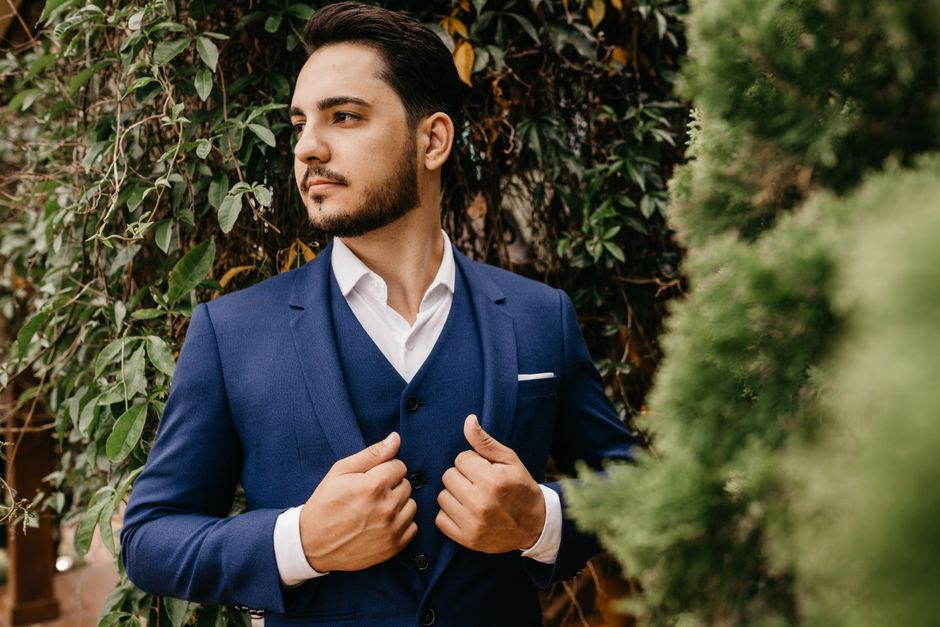
The classic black tuxedo is the best choice for a man who wants zero dress-code risk. Choose a one-button jacket with peak or shawl lapels, matching trousers with a satin side stripe, a white formal shirt, and a black bow tie. The jacket should close cleanly without pulling across the chest. Trouser hems should touch the top of the shoe with little or no break. A white pocket square, black silk socks, and black patent or highly polished leather shoes complete the line.
The Black Tux Essential Black Tuxedo is a useful budget reference at about $295 for the jacket and trousers. It uses a 55% super-fine merino wool, 42% polyester, and 3% elastane blend, with silk satin peak lapels and a half-canvas structure. It offers more comfort than a rigid rental garment while keeping the visual cues that make a tuxedo formal.
When to choose wool tailoring
Choose the Brooks Brothers Traditional Fit Wool 1818 Tuxedo when fabric and long-term wear matter more than price. The $1,498 tuxedo uses 100% wool, half-canvas construction, and unfinished sleeves and trouser hems for alterations. It has a traditional fit, so it suits people who dislike narrow jackets. The verdict is simple: choose The Black Tux for a practical first tuxedo; choose Brooks Brothers when you want a formal wardrobe piece that can return for future events.
Outfit 2: The Velvet Evening Jacket
Use texture as the statement
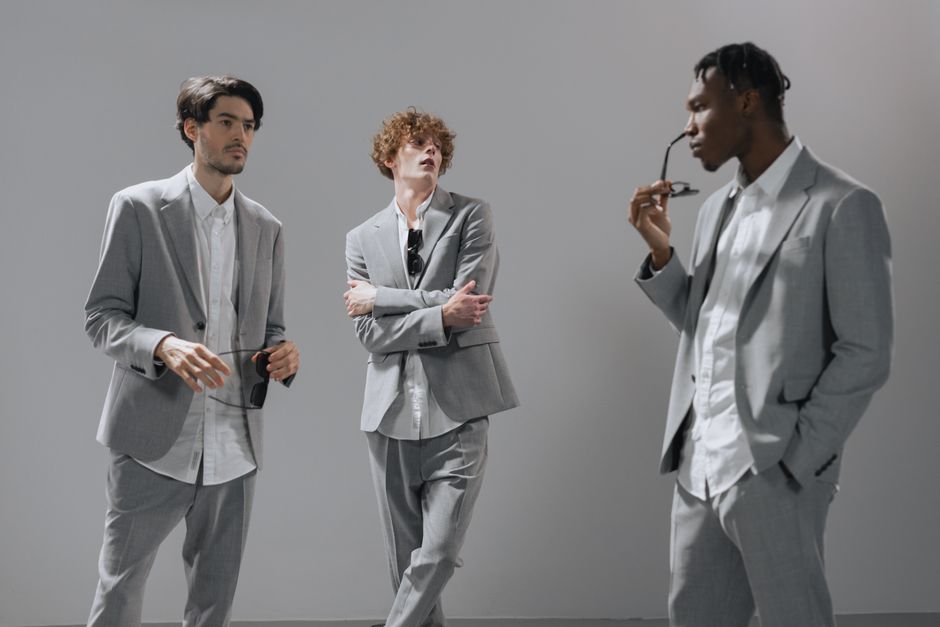
A velvet dinner jacket creates a richer look than a plain suit without becoming flashy. Wear it with black wool trousers, a white shirt, and black dress shoes. Keep the shirt simple. Avoid a bright pocket square, colorful tie, or shiny belt because velvet already supplies visual depth. Black, midnight navy, deep burgundy, and forest green work best after dark.
The Black Tux Black Velvet Jacket Tuxedo is a rental option listed around $199, making it useful for a single winter event. For a separate-jacket wardrobe, the Reiss Myrtle Velvet Single Breasted Suit Blazer is a strong reference point. It has cotton velvet, satin peak lapels, welt pockets, and a single-button closure; its regular listed price is about $490. The satin trim keeps it connected to formalwear rather than ordinary evening tailoring.
Know when velvet is too much
Velvet works best for an evening reception, December wedding, gala, or indoor hotel event. It is less convincing for a hot outdoor ceremony or a daytime garden party. The Reiss Royale Double-Breasted Velvet Blazer costs about $595 at list price and uses 98% cotton and 2% elastane, with peak lapels and a double vent. It is the bolder choice. My pick is the Myrtle for most guests because the single-breasted shape is easier to balance and less likely to compete with the wedding party.
Outfit 3: The Full-Length Column Gown
Choose a clean vertical line
A floor-length column gown answers the black-tie optional question with the fewest extra pieces. Look for crepe, silk, satin, velvet, or a substantial stretch fabric that hangs smoothly from shoulder to hem. A column shape does not need heavy decoration. One strong detail, such as an open back, asymmetric neckline, draped sleeve, or controlled slit, gives the dress its identity.
The most flattering length leaves only a small gap between the hem and the floor when you stand in your event shoes. Try the dress with the exact heel height before buying or altering it. A hem that floats several inches above the floor looks too short; a hem that drags creates a trip hazard and collects dirt. A lined bodice and secure strap placement matter more than a dramatic neckline once you are sitting, walking, and dancing.
Keep the finish deliberate
Pair the gown with one small evening bag, simple earrings, and shoes that can handle at least three hours of standing. Match metals rather than mixing several finishes. For a black gown, silver, gold, pearl, or crystal can work, but select one main direction. The verdict: choose a column gown when the event is clearly upscale and you want the strongest formal result. Skip heavy sequins if the invitation comes from a conservative host or corporate organization; matte crepe with excellent tailoring looks more controlled and photographs better in mixed lighting.
Outfits 4–6: Three Modern Alternatives
Use these formulas step by step
These three looks suit guests who want formal clothing with more movement or repeat wear.
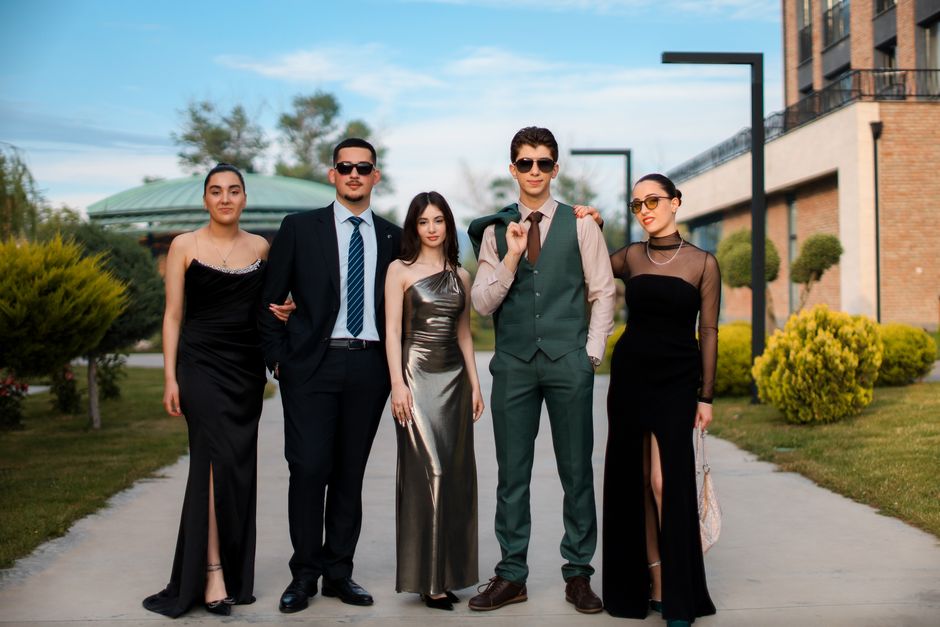
- Evening jumpsuit: Choose a wide-leg or straight-leg cut in black, navy, or jewel-tone crepe. Add pointed heels, a small clutch, and one bold earring. The waist should sit flat and the hem should skim the shoe, not cover it.
- Dark formal suit: Select charcoal, midnight navy, or black wool with a clean two-button jacket. Add a white shirt, silk tie, leather belt, and polished oxfords. The Black Tux Black Suit is a useful reference at about $495, with 100% super-fine merino wool and a fully canvassed jacket. It is appropriate when the invitation permits a suit, but it is not a substitute for a tuxedo at a strict black-tie event.
- Satin midi dress: Pick a bias-cut or softly tailored midi in black, bronze, deep green, or navy. Add closed-toe pumps, a structured clutch, and a short evening jacket if the venue is cold. Keep the jewelry refined so the satin remains the focus.
Pick the practical winner
The jumpsuit is the best alternative for guests who need easy movement, a suit is the best choice for repeat business and wedding wear, and the satin midi is the best option for a restaurant reception. Do not force a midi dress into a ballroom event with a very traditional guest list. In that setting, the full-length gown wins because its hemline carries the required formality before accessories even enter the room.
How Should You Handle Fit, Accessories, and Mistakes?
What should fit first?
Fit comes before brand. Shoulder seams should finish at the shoulder edge. A jacket sleeve should show a small amount of shirt cuff. A trouser waistband should stay in place without a tight belt. For dresses and jumpsuits, check the bust, waist, seat, and hem while sitting down. Buy enough time for alterations: two to three weeks gives a tailor room to adjust sleeves, hems, and waist placement without rushing.
Which mistakes lower the formality?
Common failures include wearing a regular black business suit with a long necktie to a tuxedo-heavy event, choosing brown shoes with a black tuxedo, carrying an oversized daytime tote, and selecting a dress that needs constant adjusting. Visible logos, wrinkled satin, plastic-looking jewelry, and athletic shoes also pull the outfit away from eveningwear. Skip a tuxedo rental if the shoulders are too wide or the trousers cannot be hemmed properly; a simpler, well-fitted dark suit will look better.
Final verdict for 2026 events
For men, the Essential Black Tuxedo is the best value, while the Brooks Brothers Traditional Fit Wool 1818 Tuxedo is the best long-term investment. For women, choose a full-length column gown for the most formal invitation, or a tailored jumpsuit for a modern venue. If you want one recommendation that covers the widest range of black-tie optional events, choose a correctly altered black tuxedo or a floor-length gown and keep every accessory quiet, polished, and intentional.