Best Shorts Length Guide 2024: Finding Your Ideal Inseam for Style and Comfort
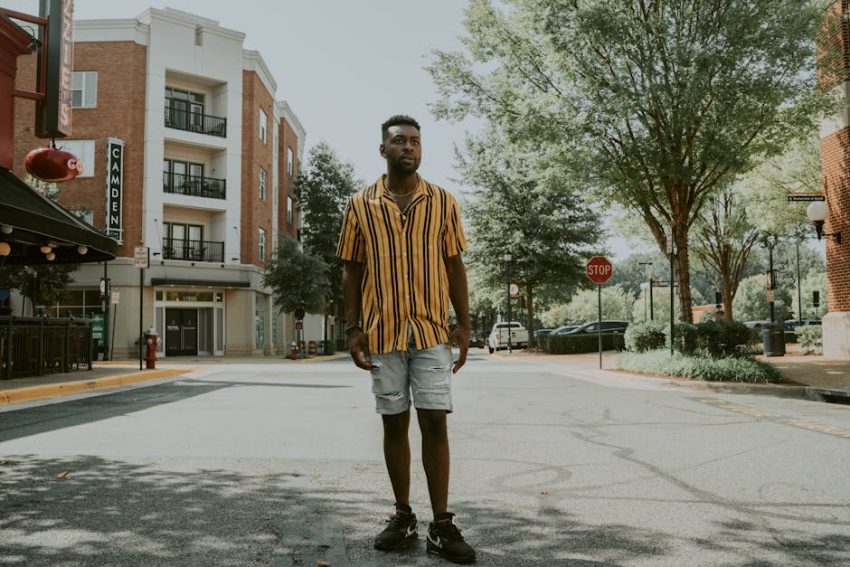
There is a persistent myth in the fashion world that tall people need long shorts and shorter people need short shorts. It sounds logical on the surface, but it is fundamentally incorrect. After years of testing different brands and silhouettes, I have realized that the best shorts length is dictated far more by your leg-to-torso proportions and where your knee sits than by your total height in inches. If you are six-foot-two with a long torso and relatively short legs, a 9-inch inseam might actually make you look shorter by cutting off your leg line at an awkward, wide point of the calf. Conversely, a five-foot-seven person with long limbs can often pull off a 5-inch inseam without looking like they are wearing swimwear.
Finding the right length is about managing the visual break. When you wear shorts, you are essentially creating a horizontal line across your thigh. Where that line falls determines whether your legs look muscular, lean, or stubby. Most people default to whatever is on the rack at the local department store, which usually results in the dreaded “knee-grazer” look—shorts that end exactly at the middle of the kneecap. This is almost universally unflattering because it creates a bulky silhouette and restricts movement. Let’s look at how to actually determine what works for your specific build.
How to Measure Your Ideal Inseam for Different Body Types
Before you buy another pair of shorts, you need to know your numbers. The inseam is the distance from the crotch seam to the bottom of the leg opening. While most people know their pant inseam, shorts are a different animal because the “rise” (the distance from the crotch to the waistband) significantly alters where the hem sits. A high-rise short with a 5-inch inseam will look much shorter than a low-rise short with the same 5-inch measurement because the entire garment sits higher on your hips.
To find your baseline, take a pair of pants that fit you perfectly in the seat and thighs. Lay them flat. Measure from the crotch point down the inner seam to where you want your shorts to end. For most men, this is 1 to 3 inches above the knee. For women, the range is much wider, varying from the upper thigh to just above the kneecap. I recommend doing this while looking in a full-length mirror. Use a piece of masking tape to mark different lengths on your leg while standing, then sit down. Shorts always “ride up” when you sit. If a 5-inch inseam looks great standing but turns into a 3-inch inseam when you are at a cafe, you might want to size up in length for comfort.
The Sitting Test and Fabric Creep
One detail people often overlook is the sitting test. When you sit, the fabric bunches at the hip, pulling the hem upward. If you are wearing stiff denim, the hem might only move an inch. If you are wearing lightweight linen or performance polyester, that hem can migrate three inches up your leg. When I am shopping for everyday shorts, I always look for a length that leaves at least two inches of fabric between the hem and my hip when my knees are bent at a 90-degree angle. This prevents that awkward feeling of your skin sticking to a chair in the summer heat.
The 5-Inch vs 7-Inch vs 9-Inch Debate for Men

For men, the “best” length has shifted dramatically over the last decade. We have moved away from the baggy, below-the-knee cargo shorts of the early 2000s toward more tailored, shorter silhouettes. The 7-inch inseam has emerged as the industry standard for a reason: it hits that sweet spot for about 80% of the population. It generally ends two inches above the knee, which shows enough leg to look modern without feeling like you are heading to a 1970s track meet.
The 5-Inch Inseam: The Athletic Aesthetic
The 5-inch inseam is currently very popular in the “athleisure” and prep scenes. It is designed to show off the quadriceps. If you have been hitting the leg press at the gym, this is your length. However, it can be polarizing. On very tall men, it can look like a swimsuit. I find that the 5-inch length works best when the shorts have a slightly wider leg opening. If they are too tight, they tend to look like compression gear. Brands like Chubbies (approx. $65) popularized this look. Pro: Maximum mobility and airflow. Con: Can feel too revealing in more formal or conservative settings.
The 7-Inch Inseam: The Versatile Workhorse
If you only own one pair of shorts, make it a 7-inch inseam. This length works for almost every height. On a shorter man (5’6″ to 5’9″), it will sit just above the knee. On a taller man (6’0″+), it will show a bit more thigh but still look intentional. The J.Crew 7″ Stretch Gramercy Short (approx. $79) is a classic example. Pro: Transition easily from a backyard BBQ to a casual dinner. Con: Can occasionally feel “boring” or too safe for those wanting a fashion-forward look.
The 9-Inch Inseam: The Traditional Choice
The 9-inch inseam is for the man who prefers a conservative look or has exceptionally long legs. If you are over 6’3″, a 7-inch short might look like a 5-inch short on you. In that case, the 9-inch provides the necessary coverage. The Bonobos Washed Chino Short (approx. $89) offers a 9-inch option that still maintains a slim fit through the leg, avoiding the “baggy” look. Pro: Best for golf courses or country clubs with strict dress codes. Con: Can make shorter men look like they have shorter legs by hiding the natural curve of the quad.
Choosing Shorts Lengths for Women: Balancing Style and Function
Women have significantly more variety in shorts lengths, which actually makes the decision harder. The “best” length here is often determined by the activity and the shoe choice. A very short 3-inch inseam looks balanced with flat sandals or sneakers, but can look unbalanced with high heels. Conversely, a longer Bermuda short looks excellent with a wedge or a block heel to add back some of the leg length lost to the fabric.
The 3-Inch and 4-Inch Inseam: The Summer Standard
These are your typical denim cut-offs or “short-shorts.” They are meant for maximum leg exposure and casual environments. I have found that the key to making this length work is the rise. A high-rise 3-inch short feels much more secure than a low-rise version. The Levi’s 501 Original Shorts (approx. $60) are the gold standard here. Pro: Elongates the legs significantly. Con: High risk of “ride up” and potential chafing if you are walking long distances.
The 5-Inch to 6-Inch Mid-Thigh Short
This is often called the “walking short.” It provides enough coverage to prevent thigh rub while still feeling breezy. This is the length I recommend for travel or city exploring where you might be ducking into museums or cafes. The Patagonia Women’s Baggies 5″ (approx. $65) are a cult favorite for a reason. They are durable, water-resistant, and hit at a modest but stylish point. Pro: Extremely practical and comfortable for all-day wear. Con: Can sometimes look a bit “mumsy” if the fabric is too stiff or the cut is too boxy.
The 10-Inch Bermuda Short
Bermuda shorts have made a massive comeback recently, moving away from their “tourist” reputation into high fashion. These end just above the knee. The trick to wearing them without looking dated is the fit through the thigh. They should be slim but not tight. Think of them as cropped trousers rather than long shorts. Pro: Sophisticated and office-appropriate in many creative workplaces. Con: Can visually shorten the leg if worn with flat, heavy shoes.
Why Fabric Behavior Changes How Your Shorts Actually Sit

You can buy the perfect 7-inch inseam, but if the fabric isn’t right, the length will look wrong. I have a pair of heavy 14oz denim shorts and a pair of 100% linen shorts, both with 6-inch inseams. The denim shorts always look longer because the heavy fabric hangs straight down and resists wrinkling at the crotch. The linen shorts, however, develop horizontal “smile” lines at the hip within twenty minutes of wear. These wrinkles effectively shorten the inseam by pulling the fabric upward.
When choosing a length, consider the material’s weight and stretch. Chino cloth (a twill weave) is the most stable; it holds its shape and the length stays consistent. Performance fabrics (nylon/spandex blends) are often thinner and more prone to clinging to the skin, which can cause them to bunch up. If you are buying performance shorts for hiking or the gym, I often suggest going an inch longer than your casual chino length to account for this movement.
Pro Tip: If you find a pair of shorts that fits perfectly in the waist and seat but is too long, don’t walk away. Hemming shorts is one of the cheapest and easiest alterations a tailor can do. It usually costs less than $15 and can transform a mediocre pair of shorts into your favorite wardrobe staple.
Top-Rated Shorts and Their Length Specifications
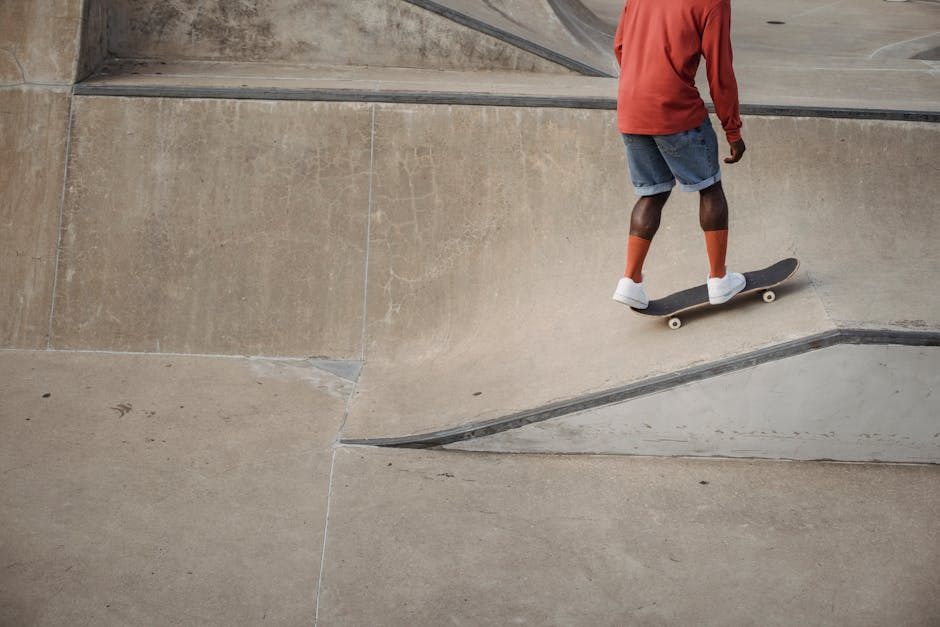
To help you visualize these differences, I have compiled a comparison of some of the most popular shorts on the market today. These are brands I have personally worn or researched extensively to understand how their stated inseams translate to real-world wear.
| Brand & Model | Available Inseams | Approx. Price | Best For | Pros / Cons |
|---|---|---|---|---|
| Patagonia Baggies | 5″, 7″ | $65 | Outdoor/Casual | Pro: Indestructible, recycled nylon. Con: Mesh liner can be polarizing. |
| Lululemon Commission Short | 7″, 9″ | $88 | Smart Casual/Golf | Pro: Incredible stretch and hidden pockets. Con: Expensive for synthetic fabric. |
| Levi’s 501 Original | 2.5″ to 6″ | $60 | Classic Summer | Pro: Timeless style, 100% cotton. Con: No stretch, can be stiff. |
| Bonobos Washed Chino | 5″, 7″, 9″ | $89 | Versatile Daily Wear | Pro: Massive color selection and fit options. Con: Colors can fade after many washes. |
| Everlane The Performance Chino | 7″, 9″ | $78 | Minimalist Style | Pro: Clean aesthetic, sustainable focus. Con: Sizing can be inconsistent. |
When looking at the table above, notice how the “Best For” category aligns with the length. Athletic and outdoor shorts lean shorter for movement, while chino and smart-casual shorts offer longer options for a more “dressed up” appearance. If you are struggling to decide, I always suggest starting with a 7-inch inseam for men or a 5-inch inseam for women. These are the most adaptable lengths that work across the widest variety of body types and social situations.
Ultimately, the best shorts length is the one that makes you feel comfortable enough to stop thinking about your clothes. If you are constantly pulling the hem down or feeling exposed, the shorts are too short, regardless of what is currently “in style.” Conversely, if you feel weighed down by fabric, it is time to embrace the tailor or a shorter cut. Style is about confidence, and confidence usually comes from a fit that respects your actual proportions rather than following a rigid rule based on your height.