
Decorative Trays
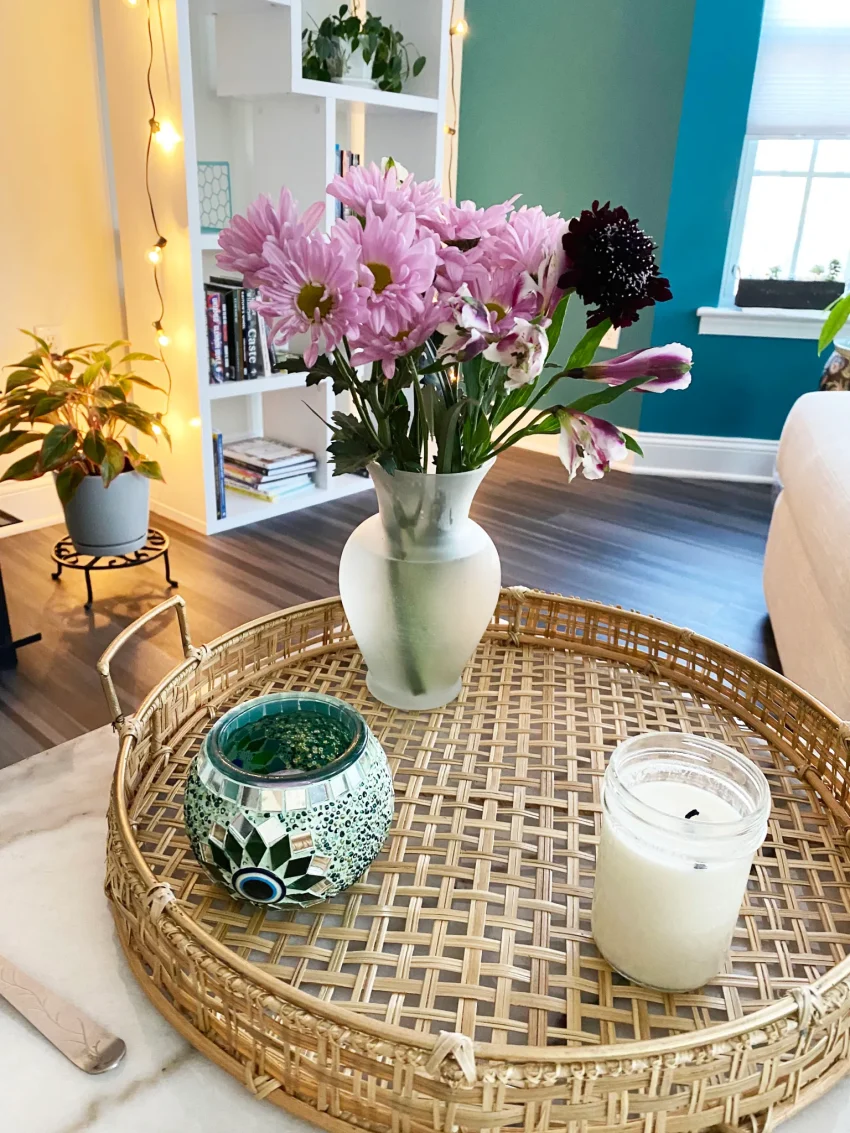
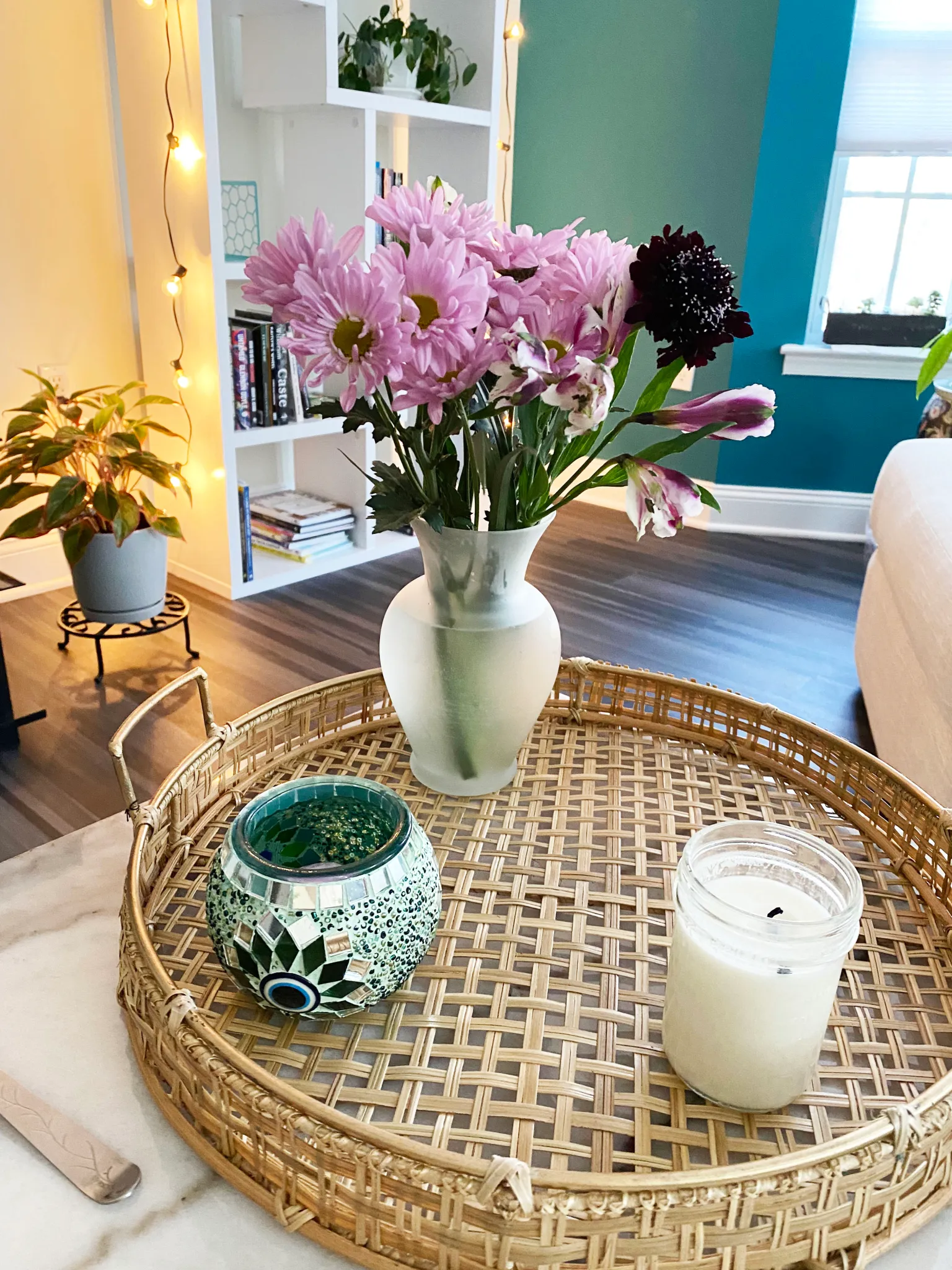
Decorative trays are more than just practical catch-alls. They are indispensable styling tools, offering an immediate upgrade to any space. The most important conclusion? A well-chosen and thoughtfully styled tray can instantly transform clutter into curated elegance, making a room feel more intentional and sophisticated.
You want a home that looks pulled together, not just lived in. Trays provide that missing link, defining zones and corralling disparate items into a cohesive display. They offer an opportunity to express personal style, inject texture, and bring a sense of order to surfaces that might otherwise feel chaotic. Start with a clear purpose for your tray, and the rest of the styling will fall into place.
The Essential Role of Decorative Trays in Home Styling
Many people view trays as mere organizers, a place to dump keys or remotes. That misses their true potential. In the realm of interior design, a decorative tray functions as a miniature stage, a defined boundary within a larger space that allows small objects to become significant. It elevates everyday items from simple necessities to curated decor, transforming a utilitarian collection into a thoughtful vignette.
Think about a coffee table. Without a tray, remote controls, coasters, and magazines might sprawl haphazardly. Add a tray, and suddenly those items have a home. They become part of an organized display, not just scattered objects. This isn’t just about tidiness; it’s about visual hierarchy and creating focal points.
Beyond Just a Catch-All: Defining Their Purpose
A decorative tray’s primary purpose is to group items. This grouping creates a visual anchor, drawing the eye and establishing a sense of order. For instance, on a large dining table, a long, narrow tray can hold candles and a small vase, preventing those items from looking lost. On a bathroom vanity, a small tray can gather perfume bottles and hand cream, turning them into a spa-like display rather than a jumble of products.
The function dictates the form. If you’re using a tray to protect a delicate surface from moisture, like a marble tray for drinks, its material choice is critical. If it’s purely for aesthetic grouping, then visual appeal takes precedence. Understanding this distinction helps in selecting the right tray for the right job, ensuring it serves both form and function.
The Psychology of Organization and Aesthetics
Our brains crave order. A cluttered environment can contribute to feelings of stress and overwhelm. Decorative trays subtly address this by creating pockets of organization within a room. When items are contained, even if numerous, the visual noise decreases. This sense of order contributes to a more peaceful and aesthetically pleasing environment.
Furthermore, trays offer an opportunity to introduce varied textures and materials into a space without commitment to large furniture pieces. A metallic tray adds a touch of glamour, while a woven rattan tray brings organic warmth. These small details contribute significantly to the overall texture and depth of a room, making it feel layered and complete.
Visual Weight and Balance: A Stylist’s Secret
Stylists often talk about visual weight. A tray, especially one with a substantial material like marble or dark wood, carries significant visual weight. This weight can be used to balance a room or anchor a larger piece of furniture. For example, a heavy tray on a light, airy coffee table provides a necessary grounding element. Conversely, a delicate mirrored tray can lighten the feel of a dark wood dresser.
Consider the dimensions of your tray in relation to the surface it sits on. A tray that’s too small can look insignificant, while one that’s too large might overwhelm. Aim for a tray that fills roughly one-third to two-thirds of the surface area, leaving enough negative space around it to breathe. This ensures balance and prevents the tray from feeling cramped or lost.
Choosing the Right Material: A Comparative Breakdown
The material of your decorative tray heavily influences its aesthetic and functionality. Selecting the right one depends on your existing decor, desired look, and practical needs. Here’s a look at common options:
| Material | Durability | Aesthetic | Best Use Case | Example Price Range |
|---|---|---|---|---|
| Wood | Good; can scratch/dent | Warm, rustic, natural, traditional | Coffee tables, consoles, farmhouse decor | $20 – $100 (e.g., Target Threshold wooden tray, $25) |
| Metal (Brass, Gold, Silver) | Excellent; can tarnish | Glamorous, modern, industrial, art deco | Bar carts, dressers, high-end styling | $40 – $150 (e.g., CB2 brass tray, $70) |
| Marble | Very good; can chip/stain | Luxurious, sophisticated, minimalist | Bathroom vanities, kitchen counters, serving drinks | $60 – $200 (e.g., West Elm marble tray, $90) |
| Mirrored | Fragile; shows smudges | Elegant, reflective, adds light, art deco | Glamorous displays, capturing light, perfumes | $30 – $100 |
| Rattan/Wicker | Good; can fray | Boho, coastal, natural, casual | Outdoor spaces, casual living rooms, global-inspired decor | $50 – $150 (e.g., Serena & Lily rattan tray, $120) |
| Acrylic | Fair; scratches easily | Modern, minimalist, invisible, contemporary | Desks, small tables, displaying colorful items | $15 – $60 (e.g., Amazon Basics acrylic tray, $20) |
While wood offers warmth and versatility, a high-gloss finish might scratch easily. Metal trays, particularly those in brass or polished nickel, exude sophistication but require occasional polishing to maintain their luster. Marble is undeniably elegant but can be porous, making it susceptible to stains if not sealed properly. Mirrored trays are fantastic for reflecting light and making a space feel larger, though they require frequent cleaning to avoid smudges. Rattan and wicker bring an organic, textured element but might not suit a formal setting. Acrylic trays offer a contemporary, almost invisible look, perfect for a minimalist aesthetic, but are prone to scratches.
Sizing Up Your Space: Tray Dimensions That Work
Choosing the correct size for your decorative tray is to achieving a balanced and intentional look. An oversized tray can overwhelm a surface, while one that’s too small gets lost. The goal is to create a harmonious vignette where the tray and its contents feel proportionate to the furniture and the room itself.
Coffee Table: The Central Statement
For a coffee table, the tray often becomes the central focal point. A good rule of thumb is to choose a tray that covers approximately one-third to half of the table’s surface area. For a rectangular coffee table measuring 40 inches by 20 inches, a tray around 18-20 inches long and 10-12 inches wide would be appropriate. If your coffee table is square, opt for a square tray that occupies a similar proportion. A common mistake is selecting a tray that is too small, which results in the coffee table still appearing cluttered around the edges. Larger round coffee tables often benefit from round trays, approximately 18-24 inches in diameter, depending on the table’s size. Remember to leave enough clearance around the tray for other functional items like drinks or books not meant for display.
Console Tables and Dressers: Linear Logic
Console tables and dressers usually require a more elongated or linear tray to complement their shape. The length of the tray should ideally be about one-third to two-thirds the length of the furniture piece. For a 60-inch console, a tray between 20 and 40 inches long is a good starting point. The depth should be proportionate, typically 6-10 inches for most console depths. Placing a single, well-proportioned tray off-center on a console can create dynamic asymmetry, especially when balanced with a lamp or artwork on the other side. On a dresser, a tray can define a beauty zone, holding perfumes and jewelry, often nestled to one side to allow for a mirror or larger decorative object.
Nightstands and Bathroom Vanities: Small Scale Impact
These smaller surfaces demand compact trays. On a nightstand, a tray might hold a small water carafe, a book, or a hand cream. A tray measuring 6×9 inches or a small round tray of 8-10 inches diameter is often sufficient. The key is to select a size that leaves plenty of room for a lamp and other essentials without feeling cramped. For bathroom vanities, function often dictates the size. A narrow tray, perhaps 12-15 inches long and 4-6 inches wide, can neatly organize daily essentials like toothbrushes, lotions, and soaps, preventing water rings and making cleanup easier. These small trays have a big impact by transforming functional items into an organized display.
Styling Principles for Impactful Displays
A tray is just a vessel; its magic lies in what you put inside. Mastering a few simple styling principles ensures your decorative tray elevates your space, rather than just holding things. The goal is to create a visually interesting, balanced, and personalized arrangement.
- Embrace the Rule of Three (or Odd Numbers): Odd numbers are inherently more appealing and natural to the human eye than even numbers. Arrange three, five, or seven items on your tray. This could be a candle, a small plant, and a stack of coasters. Or a few books, a small sculpture, and a decorative object.
- Vary Heights: Don’t place everything at the same level. Introduce varying heights to create visual interest and dimension. Use books to elevate a smaller item, or choose objects of naturally different sizes, such as a tall vase next to a shorter bowl. This creates movement and prevents the arrangement from looking flat.
- Mix Textures: Combine different textures for a rich, layered look. Pair a smooth marble coaster with a rough ceramic vase, or a shiny metal accent with a soft, natural fiber object. This tactile variety makes the display more engaging and adds depth to your decor.
- Incorporate Greenery: A small plant, a sprig of eucalyptus, or a tiny floral arrangement instantly breathes life into your tray. Greenery adds a fresh, organic element and a pop of color that can soften harder lines or materials. A small succulent in a stylish pot is always a winner.
- Add Personal Touches: Make the tray uniquely yours. Include something that tells a story or reflects your personality—a unique souvenir from a trip, a cherished photograph in a small frame, or a vintage object. These personal elements prevent the display from looking generic and make your home feel truly yours.
Budget-Friendly Finds vs. Investment Pieces: Where to Splurge
For most daily functional uses, such as corralling remotes or protecting surfaces from drinks, **opt for budget-friendly options from retailers like Target or IKEA.** Save your splurges for statement pieces like a handcrafted marble tray or a unique antique that serves as a true decorative anchor. The trade-offs are usually in durability, uniqueness, and the perceived luxury of the material.
Affordable Everyday Options: Target Threshold, IKEA Gladom
You don’t need to spend a fortune to get a functional and stylish tray. Retailers like Target and IKEA offer excellent value. The Target Threshold line, for example, often features attractive wooden or metal trays for around $20-$40. Their quality is generally solid for everyday use, and they come in a variety of styles that mimic more expensive pieces. Similarly, IKEA’s GLADOM tray table, which is essentially a tray that doubles as a side table, costs about $30 and offers incredible versatility. These budget-friendly options are perfect for high-traffic areas where spills or wear and tear are more likely. They are also great for experimenting with different styles before committing to a pricier item.
Statement Splurges: West Elm, CB2, Serena & Lily
When you’re looking for a tray to be a true centerpiece or to make a luxurious statement, investing a bit more is justified. Brands like West Elm, CB2, and Serena & Lily offer designs with superior materials, craftsmanship, and unique aesthetics. A West Elm marble tray, for instance, might cost anywhere from $80 to $150, but it will feature genuine marble, often with striking veining, and a polished finish. A brass tray from CB2, priced around $50-$100, typically boasts heavier gauge metal and a more refined finish than its budget counterparts. Serena & Lily’s rattan trays, which can range from $100-$200, are often hand-woven and bring an artisanal quality that can’t be replicated cheaply. These investment pieces are designed to last, to be admired, and to elevate the entire room with their presence.
Common Tray Conundrums Solved
Even with the best intentions, styling with trays can present a few challenges. Here are answers to some frequently asked questions that can help you refine your approach.
“How do I keep my tray from looking cluttered?”
The key to preventing clutter on a decorative tray is intentionality and curation. First, limit the number of items. Stick to the rule of three or five, and ensure each item earns its spot. Second, vary the heights and textures of your chosen objects to create visual interest without adding more items. Third, regularly edit. A tray is not a permanent storage solution for everything. Periodically remove items that no longer serve a decorative purpose or have become displaced. For instance, if you use a tray for mail, clear it daily. A little discipline goes a long way in maintaining a curated look.
“What if my tray scratches my furniture?”
This is a common and valid concern, especially with heavier trays made of metal, stone, or rough wood. The simplest solution is to add felt pads to the bottom of your tray. You can buy self-adhesive felt furniture pads at any hardware store or online for a few dollars. These come in various sizes and thicknesses. For very heavy trays, consider using a thin cork mat or a decorative runner underneath the tray. This provides a soft barrier, preventing scratches and also helps to dampen any sound when the tray is moved, ensuring both your tray and your furniture remain in pristine condition.
“Can I mix different tray styles?”
Absolutely, and often, it’s encouraged! Mixing tray styles adds depth and personality to your decor, preventing a monochromatic or overly matchy-matchy look. The trick is to find a unifying element. This could be a shared color palette (e.g., all metallic tones, or natural wood and rattan), a consistent design era (e.g., all mid-century modern, or all rustic), or a common theme (e.g., coastal, bohemian). For example, a sleek brass tray on a coffee table can coexist beautifully with a rustic wooden tray on a nearby console if the surrounding decor ties them together through color or texture. Avoid mixing too many disparate styles in the same immediate area to prevent a chaotic appearance. One or two distinct styles, tied together with a common thread, usually works best.
The Underrated Bathroom Tray
Do not underestimate the immediate impact of a small decorative tray in a bathroom. It is arguably one of the quickest and most effective ways to elevate a bathroom vanity or toilet tank. A simple marble or acrylic tray instantly transforms scattered toiletries into a spa-like display, adding a touch of luxury and order.
A well-placed tray can solve a small bathroom’s clutter problem and inject style in seconds. This small addition makes the space feel instantly more intentional and cared for, providing a welcome moment of calm in a frequently used, often overlooked room.
Ultimately, decorative trays are the unsung heroes of home styling. They resolve clutter, create visual harmony, and provide endless opportunities for personalization. By understanding material choices, appropriate sizing, and basic styling principles, you can transform any surface in your home from a neglected spot into a perfectly curated vignette. With a clear purpose and a discerning eye, your decorative trays will transform your home from merely lived-in to beautifully styled, making every corner feel intentional and chic.


Leave a Reply