
Snow Globe Candle
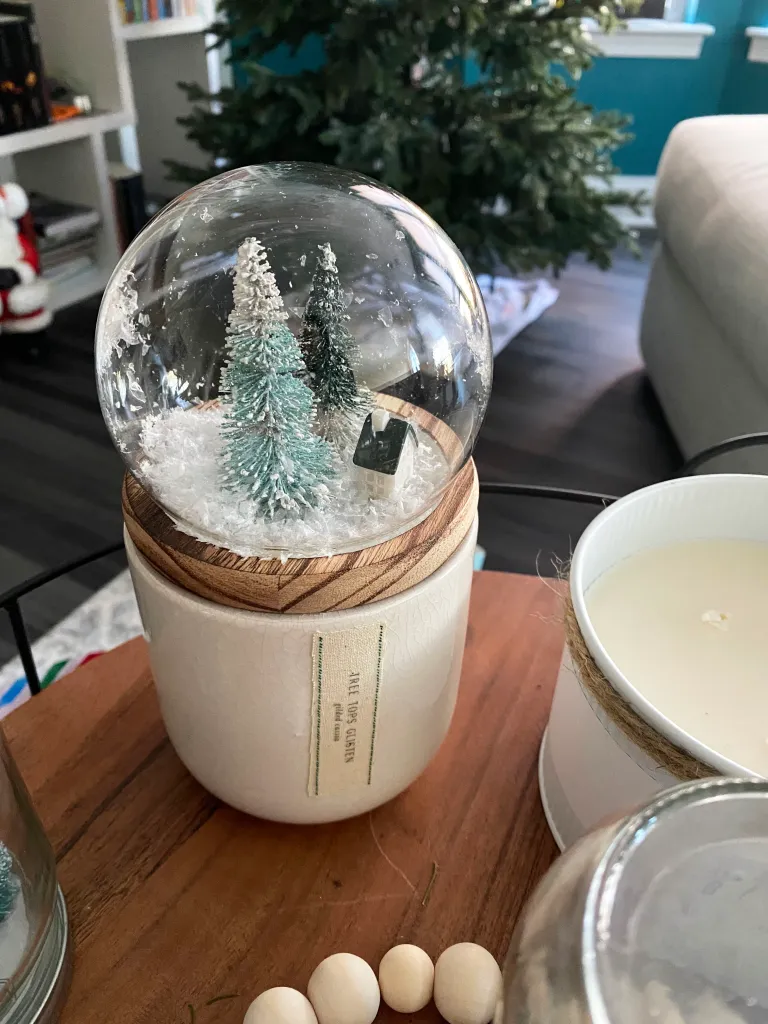
A snow globe candle isn’t just a craft; it’s a statement piece. Much like a carefully chosen accessory completes an outfit, a well-made snow globe candle reflects personal style. It adds an immersive, dynamic element to any decor ensemble, aligning perfectly with a fashion-forward home. Creating one yourself offers total control over aesthetics, from scent to glitter type, making it a truly personalized accent. You can tackle this project with a straightforward approach, even if you’re new to candlemaking. Here’s exactly what you need to know and do to craft a beautiful, functional snow globe candle.
Understanding Snow Globe Candle Mechanics
The magic of a snow globe candle lies in its distinct layers and the suspended glitter. Unlike a standard pillar or container candle, this design requires a specific setup to achieve the “snow globe” effect. Essentially, you’re creating a solid wax base for the wick, topped with a clear, non-burning oil layer that holds the shimmering particles. The key is ensuring these layers remain separate and that the oil provides the right viscosity for glitter movement.
How the Illusion Works
The illusion stems from density differences. The bottom layer is a standard candle wax, designed to burn. Above this, a less dense, non-combustible liquid oil layer is poured. This oil must be clear and have a viscosity that allows glitter to drift slowly, mimicking falling snow. Too thin, and the glitter drops too fast; too thick, and it barely moves. Common choices include mineral oil or specific candle-making suspension oils. When the candle burns, its heat slightly warms the oil layer, which can enhance the glitter’s movement. It’s crucial that the oil layer is thick enough to prevent the flame from reaching it, ensuring safety and the longevity of the snow globe effect.
Core Components Explored
Every snow globe candle relies on a few core components working in harmony. First, the candle jar: it must be heat-safe and wide enough to accommodate the wick and allow for distinct layering. Glass jars are standard. Next, the wax for the base. This can be soy, paraffin, or a blend, chosen for its burn quality and scent throw. Then comes the wick, correctly sized for the jar and wax type to ensure an efficient, clean burn. The non-burning suspension oil is vital; it needs to be transparent and have a specific density for glitter suspension. Finally, the glitter or embellishments themselves—these are the “snow” that creates the visual appeal. Selecting fine, non-toxic glitters or mica powders that won’t clump is key. Fragrance oils and dyes are optional, added to either the wax or the oil (if oil-soluble) to customize the sensory experience.
Choosing Your Materials: Wax, Wicks, and Embellishments
Selecting the right materials makes all the difference in a snow globe candle. The interplay of wax, oil, and glitter determines both function and aesthetic. Your choices should prioritize safety, burn quality, and visual impact. Let’s break down the essential selections.
Wax Type Comparison for Snow Globe Candles
| Wax Type | Melt Point (°F) | Burn Time | Scent Throw | Notes for Snow Globe | Estimated Price (per 10 lbs) |
|---|---|---|---|---|---|
| Soy Wax (e.g., Golden Brands 464) | 115-120 | Long | Good (creamy) | Softer, prone to frosting. Can be tricky for precise layers if not cooled properly. | $30-$40 |
| Paraffin Wax (e.g., IGI 4627) | 130-140 | Moderate | Excellent (strong) | Harder, smoother finish. Easier to get crisp layers. Good for vibrant colors. | $25-$35 |
| Coconut Wax (e.g., AAK 412) | 90-100 | Very Long | Good (clean) | Very soft, can be challenging for base layer structure. Excellent adhesion. | $40-$50 |
For snow globe candles, a harder wax like paraffin or a soy-paraffin blend often works best for the base. This provides a stable foundation for the oil layer and helps prevent softening under the weight of the oil. Soy wax is a popular choice for its natural properties but requires careful temperature control during pouring.
Selecting the Right Wick Type
Wick choice is critical for a safe, clean burn. It impacts flame size, melt pool, and overall candle performance. For a standard 3-inch wide jar, a CD series wick (like CD-12 or CD-14) is a common starting point for soy wax, while a Premier wick (like LX-18) might suit paraffin. Wooden wicks (such as Crackling Wicks by Wooden Wick Co.) offer an aesthetic appeal and a gentle crackle, but demand precise sizing to avoid tunneling or drowning. Always test burn your chosen wick with your specific wax and fragrance combination; a wick that’s too small will tunnel, while one that’s too large creates excessive heat and soot. Proper wick sizing ensures the flame doesn’t get too close to the oil layer.
Glitter and Additives for the “Snow” Effect
The “snow” is what truly makes this candle type special. You need fine, non-toxic particles that will suspend and slowly drift through your chosen oil. Cosmetic-grade mica powder works well for a shimmery effect, as do very fine biodegradable glitters like those from EcoSparkle. Avoid craft glitter not specifically labeled for cosmetic or candle use, as it can be made of plastics or metals that are not safe. Aim for particles around 0.008 inches or smaller for optimal suspension and visual movement. Color is also a consideration; clear or iridescent glitter will blend seamlessly, while colored options can add a festive pop. You can also experiment with very tiny, lightweight charms or polymer clay sprinkles designed for suspension, ensuring they won’t sink too quickly or degrade in the oil.
Step-by-Step Assembly for a Flawless Finish
Creating a beautiful snow globe candle involves precise steps. Following this process ensures distinct layers, proper wick performance, and that captivating snow globe effect. Gather all your tools and materials before you begin.
- Prepare Your Workspace: Lay down newspaper or a silicone mat. Ensure good ventilation. Have your heat-safe candle jar clean and dry.
- Melt the Wax: Using a double boiler setup (a large pot with water, and a smaller pouring pot inside), slowly melt your chosen wax (e.g., paraffin wax or Golden Brands 464 soy wax). Use a thermometer (like a CDN ProAccurate IRM200) to monitor the temperature. Melt wax to its recommended pouring temperature (e.g., 185°F for soy, 195°F for paraffin).
- Secure the Wick: While the wax melts, attach a pre-tabbed wick to the center of the bottom of your candle jar using a wick sticker. Use a wick centering tool or clothespin to keep the wick straight and centered at the top of the jar.
- Add Dye and Fragrance: Once the wax reaches its peak temperature and is fully melted, remove it from heat. Add any liquid candle dyes (e.g., Candle Science liquid dyes) to achieve your desired color for the base. Stir gently. Let the wax cool to its fragrance oil add temperature (often around 180°F for soy, 185°F for paraffin). Add your fragrance oil (typically 6-10% of the wax weight) and stir slowly for two minutes to ensure it’s fully incorporated.
- Pour the Base Wax Layer: Let the wax cool further to its pouring temperature (e.g., 135°F for soy, 160°F for paraffin). Carefully pour the wax into your prepared jar, filling it about two-thirds of the way. Leave enough room for the oil layer. Allow this wax layer to cure completely for several hours, or even overnight, at room temperature.
- Prepare the “Snow Globe” Oil Layer: Measure out your suspension oil (e.g., light mineral oil). For a 16 oz candle, you might use 4-5 oz of oil. In a separate container, add your chosen glitter (e.g., EcoSparkle biodegradable glitter) to the oil. Start with a teaspoon and add more until you achieve your desired density. Stir thoroughly to disperse the glitter. If you want a colored oil layer, ensure your dye is oil-soluble and add it now.
- Carefully Pour the Oil Layer: Once the base wax layer is fully solidified and cool, slowly pour the glitter-infused oil over the top of the wax. Pour slowly and gently to avoid disturbing the cured wax layer. Fill the jar almost to the top, leaving a small gap for any lid or decorative elements.
- Curing and Finishing Touches: Allow the entire candle to sit undisturbed for at least 24-48 hours. This allows any air bubbles to escape and ensures the layers are fully settled. Trim your wick to about 1/4 inch before its first burn. Gently swirl the candle to activate the snow globe effect.
Essential Tools and Their Use
Precise candlemaking requires specific tools. A double boiler is non-negotiable for melting wax safely without direct heat. A pouring pot with a handle and spout makes pouring hot wax much easier and safer. A digital thermometer is critical for monitoring wax temperatures at various stages, from melting to fragrance addition and pouring. Wick centering tools or metal wick bars ensure your wick stays perfectly upright and centered during the pour and cure. Small scales for measuring wax and fragrance by weight (not volume) yield consistent results. Heat-resistant gloves and safety glasses protect you from hot wax splashes. Having these tools ready streamlines the process and improves the final quality of your snow globe candle.
Safety First: Handling Hot Wax and Oils
Working with hot wax and oils demands caution. Always use a double boiler to melt wax; never put wax directly on a heat source, as it is flammable. Maintain good ventilation in your workspace to avoid inhaling fumes from melted wax or fragrance oils. Wear heat-resistant gloves to protect your hands when handling hot pouring pots. Keep a fire extinguisher or a heavy lid nearby in case of a wax fire. Spills should be cleaned immediately to prevent slipping hazards. Never leave melting wax unattended. Ensure your candle jars are specifically rated for candle use and can withstand heat. When pouring the oil layer, do it slowly to avoid splashing, and ensure the wax base is completely cool to prevent accidental mixing or cracking.
Troubleshooting Common Issues
Even with careful steps, issues can arise. Knowing how to diagnose and fix them saves time and materials.
Why isn’t my glitter suspending evenly?
If your glitter settles too quickly or clumps, several factors are at play. First, check your oil type. Some mineral oils are too thin, letting glitter drop fast. Look for a slightly thicker candle suspension oil specifically designed for glitter. Second, the glitter itself might be too heavy or irregularly shaped. Use fine, lightweight glitters or mica powders. Large, chunky glitter often sinks. Third, static electricity can cause clumping. Try adding a tiny drop of rubbing alcohol to the oil (test first) to reduce surface tension and static. Ensure the oil is at room temperature when adding glitter, as temperature can affect viscosity. If it still settles, you might need to try a different oil or a finer glitter grade.
My wick keeps drowning. What’s wrong?
A drowning wick indicates it’s either too small for the wax pool or the wax itself is too soft, or you’re using the wrong wick for the wax and fragrance combination. If the melt pool reaches the edges of the jar but the flame is tiny or extinguishes, your wick might be undersized. Try a larger wick size, stepping up one or two sizes from your current one. Alternatively, if your wax is very soft (like some pure soy or coconut waxes), it might be consuming the wick too quickly. Consider blending with a harder wax like paraffin or a small amount of stearic acid to stiffen the base wax. Ensure you’re not adding too much fragrance oil, as excessive oil can also hinder wick performance and contribute to a sooty burn or a small flame.
The layers are mixing. How do I fix this?
Layer mixing typically happens due to temperature discrepancies or pouring too aggressively. The most common cause is pouring the oil layer while the wax base is still too warm. The wax must be completely cool and solidified, ideally at room temperature, before the oil is added. If the wax is warm, it can partially melt when the oil is poured, causing the layers to blend. Second, pouring too quickly or from too high a distance can agitate the wax surface, disturbing the seal between layers. Pour the oil slowly, close to the wax surface, allowing it to gently settle. If layers mix, you might need to carefully remove the mixed portion, allow the remaining wax to cool again, and then re-pour with fresh, room-temperature oil.
Seasonal Styling and Care Tips
A snow globe candle elevates any space. Consider its placement; on a minimalist shelf, it provides a dynamic focal point. During winter, a pine-scented candle with silver glitter evokes holiday cheer, while a spring-themed one might feature floral scents and iridescent shimmer. Keep it out of direct sunlight to prevent wax discoloration and ensure the layers remain distinct. Always trim the wick to 1/4 inch before each burn for a clean flame. Store it in a cool, dry place when not in use. This isn’t just a candle; it’s a seasonal statement.


Leave a Reply