
Mini Pear Tarts
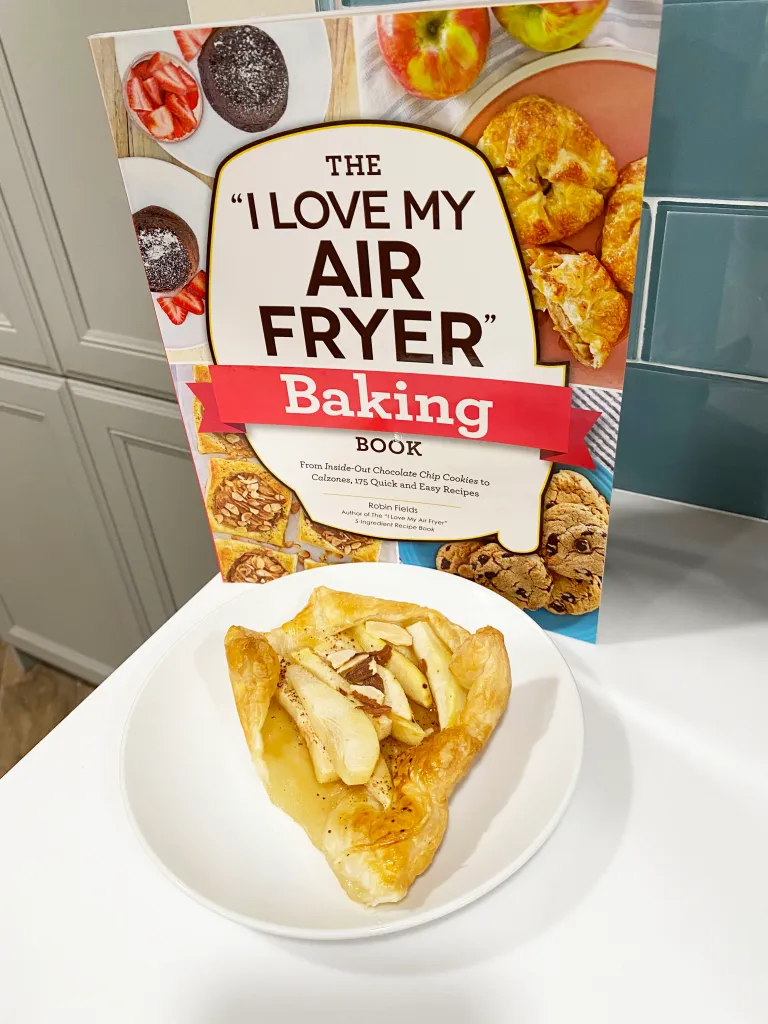
I’ve hosted countless brunches and tea parties over the years. You know the drill: perfect outfit, stunning tablescape, engaging conversation. But for a long time, the dessert course was my Achilles’ heel. I either bought something that screamed ‘last minute,’ or I tried baking something ambitious that ended up a sticky, unphotogenic mess. I needed a sophisticated, manageable sweet treat that consistently looked and tasted amazing without demanding my entire morning.
That’s when I finally perfected my approach to mini pear tarts. They’re elegant, portion-controlled, and surprisingly forgiving if you know a few tricks. Trust me, I’ve made all the mistakes so you don’t have to.
Why Mini Pear Tarts Beat Other Desserts for Chic Gatherings
Look, I’ve been through the ringer with small-batch desserts for high-style entertaining. Cupcakes are cute, sure, but the frosting gets everywhere, and they often feel a little… juvenile. Macarons are beautiful but finicky, and frankly, I’m not dedicating a full day to temperamental almond flour. Full-sized pies are just a disaster to serve gracefully at a standing reception or a crowded table. Mini pear tarts, however, hit that perfect sweet spot for elegance, ease, and guest appeal. They’re individual portions, which makes serving a breeze, and they look absolutely darling on a tiered tray.
My experience has shown me that presentation is everything. A mini tart feels deliberate, a little jewel for each guest. They aren’t prone to melting like some chocolate desserts, and they hold their shape beautifully for hours, making them ideal for parties where food sits out for a bit. Plus, the subtle sweetness of pear with a creamy custard is just universally appealing. You won’t find anyone turning these down. I’ve seen guests choose these over much more elaborate options time and again, precisely because of their understated charm and perfect size.
Comparing Dessert Options for Effort vs. Elegance
| Dessert Type | Effort Level (1-5) | Elegance Factor (1-5) | Serving Ease | My Verdict |
|---|---|---|---|---|
| Mini Pear Tarts | 3 | 5 | Excellent (individual) | My top pick for consistent wow-factor. |
| Cupcakes | 2 | 3 | Good (individual) | Often too casual, messy frosting. |
| Macarons | 5 | 5 | Good (individual) | High skill barrier, fragile, expensive ingredients. |
| Full-Size Pie/Cake | 3 | 4 | Poor (requires cutting) | Messy, often oversized for a chic bite. |
| Chocolate Mousse Shooters | 3 | 4 | Good (individual) | Temperature sensitive, can look dated. |
As you can see, the mini pear tart consistently scores high where it counts. It offers that homemade touch without the frantic last-minute rush, and it delivers on sophisticated aesthetics every single time. Save your elaborate layer cakes for family birthdays. For a truly chic gathering, these tarts are unmatched.
The Crust Conundrum: Store-Bought vs. Homemade – My Hard-Learned Truth
Let me be blunt: never, ever use pre-made, rolled-out pie crust dough from the refrigerated section. Ever. I know, I know, it’s tempting. The box promises convenience. But after years of soggy bottoms, bland flavor, and a texture that falls apart faster than a cheap handbag, I’ve learned my lesson. That stuff is a travesty for tarts. It simply doesn’t have the butter content or the structural integrity to support a creamy filling and juicy fruit.
My absolute preference, my unshakeable truth, is a good quality puff pastry. Not shortcrust. Puff pastry. Specifically, I always grab a package of Pepperidge Farm Puff Pastry Sheets. They come frozen, usually in packs of two sheets for around $4-6. Thaw it in the fridge overnight, or for about 30-40 minutes on the counter until pliable but still cold. This isn’t cheating; it’s smart. Making puff pastry from scratch is a noble pursuit, but it’s a multi-day affair that will drain your soul and leave you questioning your life choices for a dozen small tarts. The Pepperidge Farm sheets are consistently flaky, buttery, and strong enough to hold up. They puff beautifully around the filling, creating those gorgeous, rustic edges that look so much more artisanal than a crimped pie crust. This is where you get 80% of your visual impact, trust me.
Why Puff Pastry is Your Tart’s Best Friend
- Flakiness You Can’t Fake: Those hundreds of layers create an incredible texture that shortcrust can’t touch.
- Structural Integrity: It holds its shape, even with a moist filling. No more collapsing sides.
- Visual Appeal: It bakes up with a beautiful golden-brown color and a rustic, elegant puff.
- Time Saver: It’s ready in minutes once thawed, leaving you time for the fun parts.
Forget the guilt. When it comes to mini tarts, pre-made puff pastry is a legitimate, high-quality shortcut that I stand by. It’s the difference between a tart that looks good enough for a magazine spread and one that looks like you tried, but probably should have just bought cookies.
Perfecting the Pear: Choosing and Prepping Your Fruit Like a Pro
The pear is the star here, so don’t skimp on quality. Through trial and error (and more than a few disappointing tarts), I’ve settled on specific pear varieties that truly shine. My absolute go-to is the **Bosc pear**. They have a firm flesh that holds its shape beautifully when baked, a lovely russet skin that adds visual interest, and a subtle sweetness that complements the custard without overpowering it. Anjou pears are a close second, offering a similar firm texture. Avoid softer varieties like Bartlett, which tend to turn mushy and release too much water, leading to a soggy tart. A bag of Bosc pears usually runs about $5-7 at my local grocery store, depending on the season.
When selecting your pears, look for ones that are firm but not rock hard. They should yield slightly to gentle pressure at the neck. Avoid any with bruises or soft spots. I prefer to use pears that are just ripe, not overripe, to prevent them from becoming too soft during baking.
My Poaching Method for Superior Pear Slices
This step is non-negotiable for truly professional-looking tarts. Poaching the pears slightly before baking tenderizes them, infuses them with flavor, and ensures they cook evenly. Here’s my process:
- Peel and Core: Using a good quality peeler (my OXO Good Grips Y-peeler, about $10, is a workhorse), carefully peel your pears. Then, cut them in half lengthwise and use a small spoon or melon baller to remove the core.
- Slice Evenly: Place the pear halves cut-side down and slice them thinly, about 1/8 to 1/4 inch thick. Keep the slices together so you can easily fan them out later.
- Prepare Poaching Liquid: In a small saucepan, combine 2 cups water, 1/2 cup granulated sugar (I use Domino brand), a splash of fresh lemon juice (about 1 tablespoon), and a few optional aromatics like a cinnamon stick or a vanilla bean pod. Bring to a simmer over medium heat, stirring until the sugar dissolves.
- Gentle Poach: Carefully add your pear slices to the simmering liquid. You might need to do this in batches. Poach for about 3-5 minutes, or until the pears are just tender but still firm. Don’t overcook them!
- Cool and Drain: Remove the pears with a slotted spoon and let them cool completely on a plate lined with paper towels. This step is critical to remove excess moisture and prevent a soggy tart base. The poaching liquid can be saved for other uses, like a simple syrup for cocktails or drizzling over fruit.
This extra step makes a colossal difference in the final texture and flavor of your tarts. It’s what separates a good tart from an exceptional one.
Essential Tools for Tartlet Triumph: What You Actually Need (and What You Don’t)
Over the years, I’ve amassed a ridiculous collection of kitchen gadgets, many of which now gather dust. But for mini pear tarts, there are a few non-negotiables that will make your life significantly easier and improve your results. Don’t fall for every single single-use gadget out there. You just need the right workhorses.
- Mini Muffin Tins or Tartlet Molds (12-cup): This is obvious, right? But specifically, get the sturdy, non-stick kind. I have a few Cuisinart mini muffin tins, which typically run about $15-20 each. They’re heavy-gauge, conduct heat evenly, and release beautifully with just a light spray of cooking oil. If you can find actual mini tartlet molds with fluted edges and removable bottoms (like the ones from Fox Run, often sold in sets for around $25-30), even better. They make for perfectly crisp sides and easy demolding.
- Round Cookie Cutters (2-3 inch diameter): A set of basic metal cookie cutters is invaluable. You’ll need one sized perfectly to cut your puff pastry circles. I typically use a 2.5-inch cutter for my 12-cup mini muffin tins. A good set costs around $10-15 and will last forever.
- Pastry Brush: Essential for applying egg wash for that golden sheen and for brushing on glazes. A silicone brush is easiest to clean; I use a Rösle silicone brush that cost about $12.
- Small Offset Spatula: This is a secret weapon. It’s perfect for lifting delicate pastry circles, spreading custard evenly, and transferring baked tarts. My Wilton 4.5-inch offset spatula (about $8) sees constant use.
- Cooling Rack: Don’t underestimate this. Cooling your tarts on a wire rack prevents condensation and keeps the bottoms crisp. Any standard wire rack, like those from Nordic Ware (around $10-15), will do.
- Good Quality Peeler: As mentioned, an OXO Good Grips Y-peeler is durable and sharp, making pear prep effortless.
What You Can Skip
- Fancy Tart Tampers: While helpful for shortcrust, they’re not needed for puff pastry. Your fingers will do the job of gently pressing the pastry into the molds.
- Pie Weights: Again, not necessary with puff pastry, as it’s meant to puff.
- Food Processor for Dough: If you’re using pre-made puff pastry, you simply don’t need it for this recipe. Save it for something else.
Investing in these few, multi-purpose tools will elevate your baking game across the board, not just for these tarts. You don’t need a professional kitchen, just the right essentials.
The Custard Concoction: Elevating Your Filling from Basic to Beautiful
A simple vanilla custard is the classic pairing for pear tarts, but “simple” doesn’t mean “boring.” It means using quality ingredients and mastering a few techniques. I’ve tried everything from almond cream (frangipane) to cream cheese fillings, but a silky smooth vanilla bean custard truly allows the delicate flavor of the pear to shine without being overly rich or cloying. This isn’t just about taste; it’s about texture. You want a custard that sets beautifully, offering a soft counterpoint to the flaky pastry and tender fruit.
My go-to custard starts with whole milk, not skim, because fat equals flavor and a luxurious mouthfeel. I also insist on real vanilla. Forget extract here; a vanilla bean pod, split and scraped, infuses an unparalleled depth. If you can’t find a bean, a good quality vanilla bean paste (like Nielsen-Massey, about $15 for 4oz) is an acceptable substitute. The ratio is key: too much egg, and it’s rubbery; too little, and it won’t set. I usually use 2 large egg yolks for every 1 cup of whole milk to get that perfect, barely-there wobble.
My Signature Vanilla Custard Recipe
Here’s the breakdown for a filling that will impress:
- Gather Ingredients: You’ll need 1 cup whole milk, 1/4 cup granulated sugar, 2 large egg yolks, 1 tablespoon cornstarch (or all-purpose flour for a slightly thicker texture), and 1/2 vanilla bean pod (or 1 teaspoon vanilla bean paste). A pinch of salt also balances the sweetness.
- Warm the Milk: In a small saucepan, combine the milk, half the sugar, and the scraped vanilla bean seeds (and the pod itself). Heat over medium heat until it just begins to simmer around the edges. Don’t boil. Remove the vanilla pod.
- Whisk Yolks and Sugar: In a separate bowl, whisk the egg yolks with the remaining sugar and cornstarch until pale and creamy. This is where you build the foundation of a smooth custard.
- Temper the Yolks: Slowly, while whisking constantly, pour about half of the hot milk mixture into the egg yolk mixture. This prevents the eggs from scrambling. Then, pour the tempered egg mixture back into the saucepan with the remaining milk.
- Cook the Custard: Return the saucepan to medium-low heat and cook, stirring constantly with a whisk or a heat-proof spatula, until the custard thickens significantly and coats the back of a spoon. It should reach about 170-175°F (77-79°C). Don’t let it boil vigorously, or it might curdle. This usually takes 5-7 minutes.
- Chill: Immediately remove the custard from the heat, pour it into a clean bowl, and press plastic wrap directly onto the surface to prevent a skin from forming. Chill in the refrigerator for at least 2 hours, or until completely cold and firm. This step is crucial for easy handling and proper setting in the tarts.
This custard recipe creates a rich, fragrant, and perfectly balanced filling that acts as the ideal canvas for your poached pear slices. It’s what truly elevates these mini tarts beyond a simple fruit pastry.
Troubleshooting Tartlet Tragedies: Common Mistakes and My Fixes
Even after years of baking, things can go wrong. That’s just part of the process. I’ve had my share of tartlet woes, from soggy bottoms to unappetizing browning. But the beauty of experience is learning how to anticipate and fix these issues. Don’t let a few mishaps deter you. Most problems have straightforward solutions. You just need to know what to look for and how to react.
Why are my tart bottoms soggy?
This is the most common complaint, and almost always comes down to two things: either your pears weren’t drained enough after poaching, or your oven isn’t hot enough (or both). My fix: After poaching, lay those pear slices on several layers of paper towels and blot them dry. Don’t be shy. For the oven, ensure it’s fully preheated to at least 400°F (200°C) before the tarts go in. A hot oven helps crisp the pastry quickly. Some people even blind bake their puff pastry for 5 minutes before adding filling, but I find that with good draining and a hot oven, it’s usually unnecessary for these mini tarts.
My custard cracked or didn’t set properly. What happened?
Cracking usually happens if the custard bakes too quickly or at too high a temperature, causing it to dry out on top. If it didn’t set, it was likely undercooked. My solution for cracking is to ensure the tarts aren’t baked too long. Once the pastry is golden and the custard looks set but still has a slight wobble in the center when gently shaken, they’re done. For not setting, it might mean you didn’t cook the custard long enough on the stovetop initially, or it wasn’t chilled thoroughly before baking. Always cook until it thickly coats a spoon, and chill for a full two hours. Patience is a virtue here.
The pastry got too dark before the filling was done. Any tips?
This is a common oven quirk. My fix is simple: once the pastry reaches a beautiful golden brown (usually about 15-20 minutes into baking), but the filling still needs a bit more time to set, gently tent the entire muffin tin with aluminum foil. This shields the pastry from direct heat while allowing the custard and pears to finish baking through. It’s a lifesaver for achieving that perfect, even bake without burning the edges.
My Go-To Presentation Secrets for a Runway-Ready Dessert Display
After all that effort, don’t let your gorgeous mini pear tarts languish on a plain plate. Presentation is everything, especially when you’re hosting. I always use a tiered serving stand, usually a three-tier ceramic one I picked up at West Elm for about $60 a few years ago. It instantly elevates anything you put on it. Arrange the tarts artfully, fanning out the pear slices to show off their beautiful pattern. A light dusting of powdered sugar (I use a small mesh sieve for an even coat) just before serving adds a delicate, professional finish. For an extra touch of glamour, a tiny sprig of fresh mint or a few edible gold flakes placed precisely on each tart can turn them into true showstoppers. It’s those small, intentional details that make your guests feel truly special, like they’ve just stepped into a high-end patisserie.



Leave a Reply