Korean Style Glasses for Men: What Separates the Look
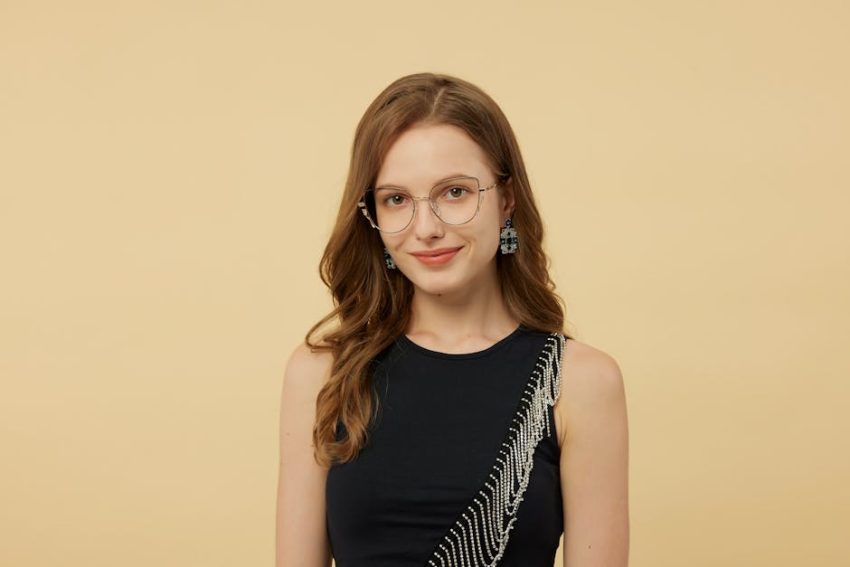
Korean men’s eyewear isn’t just thinner frames or smaller lenses. There’s a specific visual logic behind it — and once you understand it, buying the right pair gets a lot easier.
The short version: Korean-style glasses favor understated silhouettes, keyhole bridges, flat horizontal lines, and acetate in neutral tones. They sit closer to the face. They don’t shout. And they work across casual and dressy contexts in ways that oversized Western frames often don’t.
The Visual Logic Behind Korean Men’s Eyewear
Western eyewear design often optimizes for statement. Big tortoise acetate. Thick temples. Wide lenses. The frame is meant to be noticed.
Korean eyewear design leans opposite. The goal is quiet integration — frames that look like they belong on a face rather than sitting on top of it. This doesn’t mean boring. Gentle Monster, the Seoul-based brand that’s probably the most recognizable Korean eyewear label globally, breaks this rule deliberately with sculptural, oversized pieces. But even their bold frames follow different proportions than, say, an American Optical or a Warby Parker rectangle.
Three principles define the aesthetic:
- Low bridge fit: Korean frames are typically built for lower nose bridges, which means they sit flatter and closer to the face. This affects not just comfort but the entire visual — the frame hugs the orbital rather than floating in front of it.
- Horizontal emphasis: Whether it’s a round frame or a rectangle, Korean styles tend to be wider than they are tall. Lens height is often 30–34mm rather than the 40mm+ common in American preppy styles.
- Minimal temple design: The arms are thin, straight, and undecorated. No engraved logos on the side. No chunky hinges visible from the front.
The result is a frame that reads as intentional without being loud. It pairs with oversized Korean streetwear without clashing, and it works with a fitted blazer without looking out of place.
Why the bridge matters more than the frame shape
Most men focus entirely on silhouette — round vs. rectangle vs. geometric. The bridge is what actually determines whether a frame fits the Korean aesthetic. A keyhole bridge (the kind that narrows in the middle before opening into two separate nose pads) is almost universally Korean-coded. A standard saddle bridge reads more European. A double bridge — two horizontal metal bars — sits closer to Japanese or American styling.
When you’re shopping, filter for keyhole or low-bridge designs first. Frame shape is secondary.
Acetate vs. metal in Korean men’s frames
Both work, but they signal different things. Acetate in black, clear, or brown tortoise = classic Korean intellectual aesthetic. The kind of frame a Seoul architecture student wears to a gallery opening. Metal in gold or gunmetal = more fashion-forward, associated with idol or K-drama styling. Titanium frames in matte silver sit at the higher end — Carin and Titan-P both produce these well, in the 150,000–300,000 KRW range (roughly $110–$220 USD).
Frame Shape Comparison: Which Silhouettes Actually Work
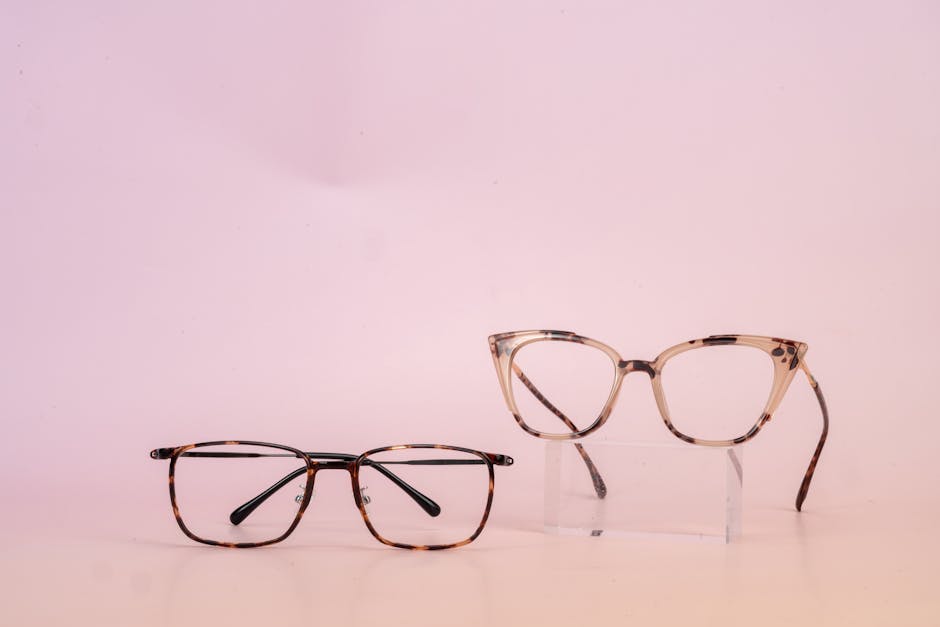
Not all frame shapes translate equally into Korean style. Here’s how the main options stack up:
| Frame Shape | Korean Style Fit | Best For | Common Pitfall |
|---|---|---|---|
| Thin rectangle | Excellent | Most face shapes; clean everyday wear | Lens height over 34mm reads Western |
| Round | Good | Angular or square faces; soft looks | Too large = Harry Potter, not K-drama |
| Browline/oval | Good | Business or smart-casual styling | Thick brow bar breaks Korean minimalism |
| Hexagon/geometric | Excellent | Streetwear and fashion contexts | Wrong face shape makes them theatrical |
| Cat-eye (subtle) | Moderate | Fashion-forward editorial looks | Easy to over-do; keep the flare minimal |
| Oversized square | Poor | Western preppy aesthetic | Too much frame coverage; breaks proportions |
| Rimless/frameless | Moderate | Ultra-minimal, clean-cut looks | Can read clinical without the right outfit |
The safe entry point for most men is a thin rectangle with a keyhole bridge in black or tortoise acetate. Frame width matched to temple width (not wider), lens height around 30–32mm. That combination appears most consistently across Korean men’s fashion accounts and K-drama costume choices — it’s the baseline the rest of the aesthetic builds from.
Gentle Monster and the Brands That Set the Standard
Gentle Monster is unavoidable in any honest conversation about Korean eyewear. Founded in Seoul in 2011, they built global recognition on sculptural, oversized frames — pieces like the Absente, Francy, and LOVESOME — that retail between $250–$400 and reject conventional eyewear proportions entirely. Their stores function as art installations. The brand is worth knowing even if you’ll never buy a pair, because it defines the outer boundary of what Korean eyewear is capable of pushing toward.
But Gentle Monster isn’t representative of everyday Korean men’s glasses. For that, Carin is the better benchmark — a Korean optical brand known for lightweight metal frames and a restrained aesthetic. Their double-nose-pad titanium rectangles are a reference design for the category, available through Korean online optical retailers at 80,000–200,000 KRW.
ZOFF and Jins are the volume players. Japanese brands with massive presence in Korea, offering frames in the $30–$80 range with fast in-store lens production. Less distinctive than Carin or Gentle Monster, but the construction quality at that price is difficult to argue with. Both brands’ “slim rectangle” and “minimal metal” categories sit squarely in Korean aesthetic territory.
For buyers outside Asia, Firmoo and Clearly both stock Korean-influenced silhouettes without using that marketing language. Their thin metal and minimal acetate categories frequently land in the right proportion range. Expect $20–$60 for frame and lens combined.
The brand verdict
For the cleanest entry point: Carin for metal frames, Jins or ZOFF rectangle in acetate for everyday acetate. Gentle Monster if you want fashion as a statement, not just clean eyewear. Skip domestic optical chains in Western markets unless they specifically stock Asian-fit inventory — most default to Italian or American proportions and the difference is immediately visible on the face.
The Sizing Mistake That Kills the Aesthetic
Too wide. That’s almost always the problem.
Korean-style frames sit within the temple width, not at or beyond it. Most men default to frames that match their widest facial measurement, which pushes the glasses outward and creates the boxy, padded-face effect associated with 1990s optical fashion. Korean frames in the 130–138mm total width range are correct for most men — not the 140–148mm that Western retailers sell as standard sizing. Many Korean frames are stamped with total width in millimeters on the temple arm. Start at 132mm and adjust from there.
Matching Frames to Face Shape: The Practical Guide
Does the Korean aesthetic work with all face shapes?
Yes — but the specific silhouette within the Korean style needs adjusting. The proportional logic stays consistent; the shape shifts based on your facial structure.
Square jaw and angular features
Round and oval frames soften the geometry. A plain round acetate in 44–46mm lens width works cleanly — the Gentle Monster LOVESOME is the fashion version of this, but any basic round in black acetate delivers the same balance. Avoid thin rectangles here; a hard rectangle frame competing with a hard jawline just creates noise.
Oval face
The most flexible starting point for eyewear. Thin rectangle, hexagon, round — all work. If you have an oval face, treat it as an opportunity to try something slightly more adventurous: a light-tinted lens, a thin metal geometric, or one of the subtler Gentle Monster silhouettes that would overwhelm a more angular face.
Long or narrow face
Go wider, but keep lens height low. A rectangle at 138–140mm total width with 28–30mm lens height adds visual width without adding vertical weight. Narrow, tall frames elongate a long face further — avoid them entirely.
Round face
Thin rectangle or a mild browline. Round frames mirror your facial shape and emphasize roundness rather than contrasting it. A gunmetal or black thin metal rectangle at 134–138mm creates the structured contrast that Korean men’s styling relies on for rounder face shapes.
How Korean Men Actually Style These Frames

- With oversized streetwear: Thin metal frames or clear acetate. The glasses function as a precision element against voluminous silhouettes — Gentle Monster’s Absente or any thin oval frame works here. The contrast between delicate frame and oversized outerwear is intentional.
- With slim-fit tailoring: Thin rectangle in black acetate. Minimal and clean. No visible logos. This is the Seoul corporate-casual standard — paired with cropped trousers and a white shirt, it’s almost a uniform.
- With athleisure or casual basics: Clear or very lightly tinted acetate frames. A Carin low-bridge round or a ZOFF oval in crystal acetate reads casual without looking careless.
- Hair and frame interaction: Korean men’s hairstyles frequently involve swept or parted fringe. Frames with a stronger top line — browline or flat-top — work well when hair is pushed back. Round or thin frameless designs pair better with curtain bangs or textured tops.
- Lens tint for fashion contexts: Pale yellow, blush, and very light gray tints are common in Korean fashion eyewear. These work well as sunglasses or non-prescription fashion frames. For everyday prescription use, clear lenses integrate more cleanly with varied outfits.
One consistent principle across Korean men’s styling: the glasses anchor an outfit without dominating it. If the frames are louder than the jacket, they’re probably working against the aesthetic rather than with it.
When Korean-Style Frames Don’t Work for You
Korean eyewear proportions are designed around specific facial measurements. Not every face translates cleanly, and pretending otherwise just leads to expensive mistakes.
High-bridge noses often sit uncomfortably in frames built for low-bridge fit. The nose pads dig in, the frame tilts downward, and within an hour the whole thing looks off. If you have a prominent or high nose bridge, look for frames with adjustable silicone nose pads — metal frames with individual pad arms — rather than the fixed saddle bridges common in acetate Korean styles. Moscot and Oliver Peoples offer comparable minimal aesthetics with more adjustability for higher bridges. The Moscot Lemtosh and Miltzen, both in the $300–$400 range, are worth examining if the Korean acetate saddle bridge consistently slides.
Very large faces — specifically, anyone with a temple width over 150mm — will struggle to find Korean-proportion frames that fit correctly. The Korean optical market is built around average Korean male facial measurements, which run narrower than average American or European measurements. At 150mm+ temple width, you’re typically looking at custom optical work or brands that specifically offer wide-fit sizing.
Sports and sustained physical activity are the wrong context entirely. Korean-style thin metal frames have light temples, loose nose fits for most Western bridges, and zero impact resistance. Reserve them for everyday wear. For anything involving movement, dedicated sport eyewear is the right call — and there’s no aesthetic penalty for owning both.
The wider adoption of Korean eyewear aesthetics outside Korea is accelerating. As major optical retailers begin stocking more Asian-fit inventory and Korean brands open international outposts, the proportions that defined the look — low bridge, horizontal emphasis, restrained temples — are becoming baseline options rather than specialty imports.