
Pulled Pork Pizza
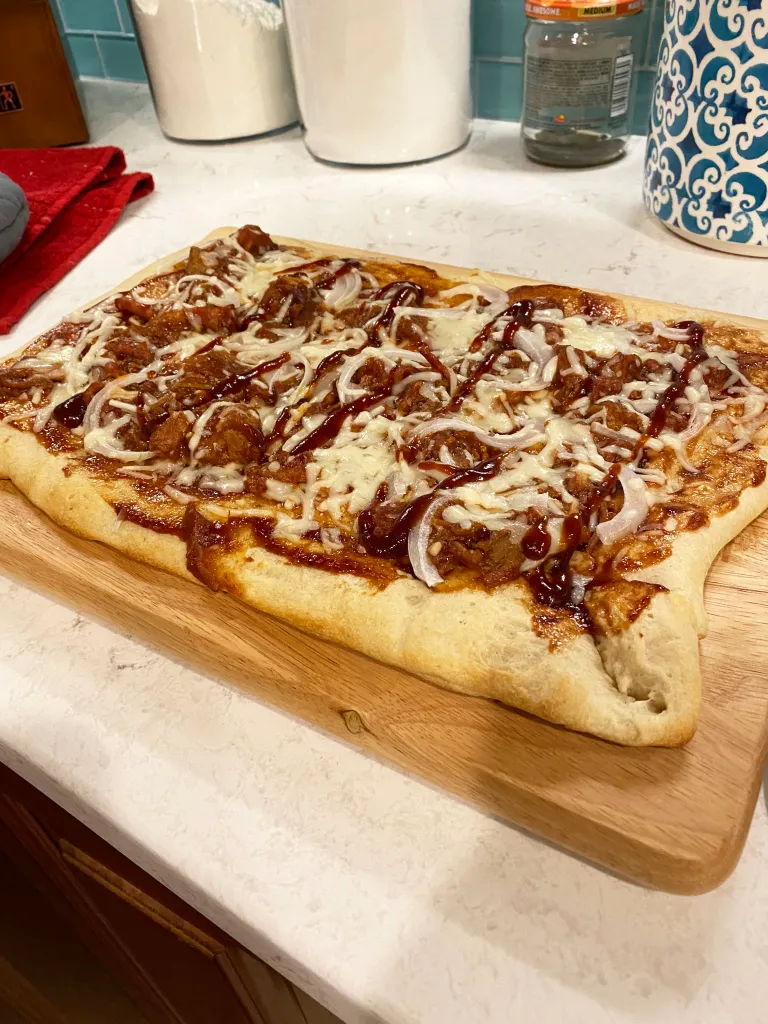
Thinking about making pulled pork pizza at home, but not sure where to start? The idea of combining tender, smoky pulled pork with a cheesy, crispy pizza crust is enticing, yet many home cooks hesitate. They worry about soggy crusts, dry pork, or a lack of cohesive flavor. This guide strips away the guesswork, providing a practical, step-by-step path to a truly exceptional pulled pork pizza, made right in your kitchen.
Mastering the Pulled Pork Base: Essential Techniques
The success of your pulled pork pizza hinges entirely on the quality of your pulled pork. This isn’t just about throwing some meat on the pizza; it’s about building a flavorful foundation that complements the other ingredients without overwhelming them. Achieving melt-in-your-mouth tenderness and deep flavor requires attention to detail, starting with the right cut and cooking method.
Many home cooks default to simply reheating leftover pulled pork, which often leads to dry results on a pizza. The goal here is a pork that is still moist, slightly caramelized, and infused with flavor. This means starting with the correct cut and employing a ‘low and slow’ cooking approach. The fat and connective tissue in the right cut of pork break down over extended cooking, yielding that signature tender texture and rich taste necessary for a pizza topping that stands out.
Choosing the Optimal Pork Cut for Pizza
For pulled pork, the undisputed champion is the pork shoulder, specifically the Boston butt (also known as pork butt). This cut is generously marbled with fat and connective tissue, which renders beautifully during slow cooking, keeping the meat moist and adding immense flavor. Avoid leaner cuts like pork loin or tenderloin; they dry out too quickly and lack the necessary fat content to become truly pull-apart tender.
- Pork Shoulder (Boston Butt): Ideal for its fat content, marbling, and collagen. Typically weighs 4-8 pounds.
- Picnic Shoulder: Another good option, though it has a skin-on side and a bone, making it slightly trickier to prep but still excellent for flavor and texture.
Look for a bone-in cut if possible. The bone helps distribute heat and imparts additional flavor to the meat as it cooks. Plan for about 0.5 to 0.75 pounds of pork per person, accounting for shrinkage during cooking and for a generous pizza topping.
Smoking vs. Slow Cooking: The Flavor Factor
While a smoker delivers unparalleled depth of flavor for pulled pork, not everyone has access to one. Both methods, however, aim for the same ‘low and slow’ principle. The key is allowing enough time for the pork to reach an internal temperature where the collagen breaks down, usually between 195°F and 205°F (90-96°C).
- Oven Roasting (Slow Cooking): Pat your pork shoulder dry, rub generously with a blend of salt, black pepper, paprika, garlic powder, and a touch of brown sugar. Place it in a roasting pan with a small amount of liquid (apple cider vinegar or chicken broth) at the bottom, cover tightly with foil, and cook at 275°F (135°C) for 6-8 hours, or until it easily shreds with two forks.
- Smoker: If you have a smoker, set it to 225-250°F (107-121°C) using wood like apple, hickory, or cherry. Smoke the pork until it develops a deep bark and reaches the target internal temperature. This can take 8-12 hours, sometimes longer for larger cuts.
After cooking, let the pork rest, covered, for at least 30 minutes. This allows the juices to redistribute, ensuring a moist end product. Skip this step at your peril; resting is crucial for tenderness.
Prepping the Pulled Pork for Pizza
Once rested, shred the pork using two forks, a meat claw, or even your hands (wearing heat-resistant gloves). Remove any large pieces of fat or gristle, but keep some smaller, rendered fat bits for flavor. Crucially, mix the shredded pork with a small amount of your chosen barbecue sauce immediately. This isn’t about drenching it, but about lightly coating it to prevent drying out during the pizza baking process and to infuse it with a baseline flavor. About 1/4 cup of sauce per pound of shredded pork is a good starting point. This pre-saucing ensures every bite of pizza has flavorful, moist pork.
Building Your Pizza: Step-by-Step Assembly Guide
Constructing a pulled pork pizza is more than just stacking ingredients. It’s about strategic layering to ensure even cooking, balanced flavors, and a crust that holds up to the hearty toppings. Rushing this stage often leads to an undercooked base or a toppings-heavy mess. Follow these steps for a perfectly structured pizza.
-
Prepare Your Dough Base (20 minutes active, plus proofing)
Start with a good quality pizza dough. You can use a store-bought fresh dough ball (usually found in the refrigerated section of supermarkets for $3-5), or make your own from scratch. If using store-bought, let it come to room temperature for at least 30 minutes before stretching. This makes it more pliable and easier to work with. Lightly flour your work surface and hands. Gently stretch the dough into your desired pizza shape (round or rectangular) to about 1/4-inch thickness. Aim for a crust that’s slightly thicker at the edges to create a nice rim.
Transfer the stretched dough to a pizza peel dusted with semolina flour or cornmeal to prevent sticking. If you don’t have a peel, a piece of parchment paper on a baking sheet works just as well. Preheat your oven to its highest setting, typically 475-550°F (245-290°C), with a pizza stone or steel inside, for at least 45 minutes to an hour. This ensures a hot surface for a crispy crust.
-
Layer the Sauce (5 minutes)
This is where many people make a mistake: too much sauce. For pulled pork pizza, a thinner layer of barbecue sauce is best. Over-saucing can lead to a soggy crust and an overpowering flavor profile. Use a spoon or the back of a ladle to spread about 1/4 to 1/2 cup of barbecue sauce evenly over the dough, leaving a 1/2 to 1-inch border for the crust. A Kansas City-style barbecue sauce, with its sweet and tangy profile, often works exceptionally well here. If you prefer a more subtle barbecue flavor, a thin layer of tomato sauce with a drizzle of barbecue sauce can also work.
-
Distribute the Cheese (5 minutes)
After the sauce, add your primary cheese layer. A blend of low-moisture mozzarella and provolone is ideal for its melt, stretch, and mild flavor that won’t compete with the pork. Use about 1.5 to 2 cups of shredded cheese for a 12-14 inch pizza. Distribute it evenly over the sauce, ensuring good coverage. The cheese acts as a barrier, protecting the crust from the moisture of the pork and providing a base for the subsequent toppings. Avoid freshly grated, high-moisture mozzarella here; its water content can make the pizza wet.
-
Add the Pulled Pork (5 minutes)
Now, it’s time for the star. Evenly scatter your pre-sauced pulled pork over the cheese layer. Use about 1 to 1.5 cups of pulled pork for a standard pizza. Don’t clump it together; spread it out so each slice gets a good distribution. Resist the urge to overload the pizza. Too much pork will weigh down the crust and prevent proper cooking. The goal is a balanced bite, not a mountain of meat.
-
Incorporate Secondary Toppings (3 minutes)
This is optional but highly recommended for added flavor and texture. Think about complementary ingredients. Thinly sliced red onion, pickled jalapeños, or even a sprinkle of smoked paprika can elevate the pizza. If using red onion, slice it paper-thin so it cooks quickly without burning. A small amount of cooked, crispy bacon bits can also add another layer of smoky, salty crunch. Distribute these sparingly over the pulled pork.
-
Final Cheese Layer (2 minutes)
A final, lighter sprinkle of cheese (about 1/2 cup) over the pulled pork and other toppings helps to hold everything in place and provides a beautiful golden-brown finish. A mix of cheddar and mozzarella works well for this top layer, adding color and a sharper note.
-
Bake Your Pizza (10-15 minutes)
Carefully slide the pizza from the peel onto your preheated pizza stone or steel in the oven. Bake for 10-15 minutes, or until the crust is golden brown and crispy, the cheese is bubbly and slightly caramelized, and the pulled pork edges are slightly crispy. Rotate the pizza halfway through baking if your oven has hot spots. If you desire extra crispiness on the crust, you can carefully lift the pizza with the peel for the last minute and slide it directly onto the oven rack.
-
Rest and Serve (5 minutes)
Once baked, carefully remove the pizza from the oven and transfer it to a cutting board. Let it rest for 3-5 minutes before slicing. This crucial step allows the cheese to set slightly, preventing all the toppings from sliding off when you cut it. Slice into wedges or squares using a sharp pizza cutter. Garnish with fresh cilantro or thinly sliced green onions for a pop of freshness, if desired. Serve immediately and enjoy your perfectly crafted pulled pork pizza.
Sauce and Cheese Pairings: The Winning Combination
For a truly harmonious pulled pork pizza, the right barbecue sauce and cheese blend are non-negotiable. Forget watery tomato sauces or bland, high-moisture cheeses. The undisputed best choice is a sweet and tangy Kansas City-style barbecue sauce paired with a blend of low-moisture mozzarella and smoky provolone. This combination offers the perfect balance of robust flavor, creamy melt, and essential stretch, ensuring every bite is rich, savory, and perfectly textured.
Troubleshooting Common Pulled Pork Pizza Issues
Even with careful planning, sometimes things don’t go exactly as expected. Here are solutions to common problems encountered when making pulled pork pizza, presented in a clear Q&A format.
Why is my pizza crust soggy?
Soggy crust is the most frequent complaint with loaded pizzas like pulled pork. This usually comes down to three factors: too much moisture from toppings, insufficient oven heat, or an improperly prepped dough.
- Excess Moisture: Ensure your pulled pork is well-drained and not swimming in barbecue sauce. A light coating of sauce is key, not a heavy drench. Also, allow your cheese to act as a barrier; don’t put wet ingredients directly on the dough.
- Oven Temperature: A common mistake is not preheating the oven and pizza stone/steel long enough. Your oven needs to be at its maximum temperature (ideally 500-550°F or 260-290°C) for at least 45-60 minutes before baking. This intense heat quickly sets the crust, creating a barrier against moisture.
- Dough Prep: Avoid stretching the dough too thin in the center. A slightly thicker base can better handle the weight and moisture of the toppings. If you’re using fresh dough, consider a par-bake (pre-baking) for 3-5 minutes before adding toppings if you’re concerned about a very heavy pizza. This sets the crust and removes some initial moisture.
How do I prevent the pulled pork from drying out on the pizza?
Pulled pork can dry out in the high heat of a pizza oven if not prepared correctly. The key is in the pre-pizza treatment.
- Pre-Saucing: As mentioned, lightly coating the shredded pork with barbecue sauce before placing it on the pizza is crucial. This provides a protective moisture barrier. About 1/4 cup of sauce per pound of pork is typically sufficient.
- Fat Content: Start with a well-marbled pork shoulder (Boston butt). The rendered fat within the pork helps keep it moist even after reheating. Avoid leaner cuts which are prone to drying.
- Don’t Overcook the Pork Initially: Ensure your pulled pork is cooked to the ideal internal temperature of 195-205°F (90-96°C) and rested properly. Overcooking it in the slow cooker or smoker will make it dry before it even hits the pizza.
What if my pulled pork pizza lacks flavor depth?
A bland pizza can be disappointing. Flavor depth comes from multiple layers and thoughtful ingredient choices.
- Season Your Pork Aggressively: Don’t rely solely on the barbecue sauce. A good dry rub on your pork shoulder before cooking (salt, pepper, paprika, garlic powder, onion powder, a pinch of cayenne) builds a strong flavor base.
- Choose the Right Barbecue Sauce: A high-quality, full-flavored barbecue sauce is essential. Look for one with a balance of sweet, smoky, and tangy notes. Avoid overly thin or watery sauces. Kansas City-style or Carolina Gold (mustard-based) can offer excellent complexity.
- Add Complementary Toppings: Ingredients like thinly sliced red onion (which caramelizes slightly in the oven), pickled jalapeños for a kick, or a sprinkle of fresh cilantro after baking can add bright, contrasting flavors that lift the entire pizza. A pinch of smoked paprika over the pork and cheese before baking also boosts the smoky notes.
- Cheese Blend: Don’t just use one type of cheese. A blend of mozzarella for melt and provolone for sharpness and mild smokiness provides a more complex cheese profile than mozzarella alone. Consider a touch of sharp cheddar for the top layer.
Crust Options: A Practical Comparison for Pulled Pork Pizza
The crust forms the backbone of any pizza, and for a hearty topping like pulled pork, its strength and texture are . Choosing the right crust type impacts everything from baking time to final crispiness and how well it supports a generous layer of meat and cheese. Below is a comparison of common crust options, highlighting their suitability for pulled pork pizza based on practical considerations.
| Crust Type | Time Commitment | Texture & Strength | Flavor Profile | Best For |
|---|---|---|---|---|
| Homemade Dough (Yeast-based) | High (3-24 hours with proofing) | Excellent; chewy interior, crispy exterior if baked hot. Very strong. | Neutral to slightly yeasty, customizable. | The best all-around choice for optimal texture and support. |
| Store-Bought Fresh Dough Ball | Medium (1 hour for room temp + prep) | Good; reliable chew and crisp. Decent strength. | Neutral, sometimes slightly sour depending on brand. | Convenience without sacrificing too much quality. Most common choice. |
| Pre-Baked Pizza Crust/Shell | Low (5 minutes prep) | Fair; can be dry, sometimes too thin or too dense. Variable strength. | Often bland, cracker-like. | Quick weeknight meals when time is extremely limited. Needs careful topping. |
| Pita Bread / Tortilla | Very Low (2 minutes prep) | Poor; very thin, often soggy under heavy toppings. Weak. | Neutral, can be dry. | Single-serving, light snack pizzas. Not recommended for full pulled pork pizza. |
| Cauliflower Crust (Gluten-Free) | Medium (requires pre-baking) | Moderate; can be crispy, but prone to sogginess if not pre-baked well. Moderate strength. | Subtle, earthy. | Gluten-free option, but requires significant attention to prevent sogginess. |
For pulled pork pizza, which inherently carries more weight and moisture than a simple Margherita, the **homemade yeast-based dough** or a **store-bought fresh dough ball** are your strongest contenders. Homemade dough offers superior control over texture and flavor, allowing you to develop a robust crust that can handle the generous toppings without collapsing. However, if time is a constraint, a quality store-bought dough ball is a highly practical and still delicious alternative. Pre-baked shells or very thin crusts struggle to provide the necessary structural integrity for this hearty pizza, often resulting in a disappointing, floppy slice. Always aim for a crust that can develop a good crispy base while maintaining a chewy interior, a hallmark of well-made pizza.
Making a pulled pork pizza at home is an achievable feat when approached with a practical, step-by-step mindset. By focusing on the quality of your pulled pork, strategic layering, and understanding how your crust choice impacts the final product, you can consistently create a satisfying meal. Don’t be afraid to experiment with your favorite barbecue sauces and cheese blends to truly make it your own. Once you master this process, your homemade pulled pork pizza will become a go-to for hearty, crowd-pleasing meals.



Leave a Reply