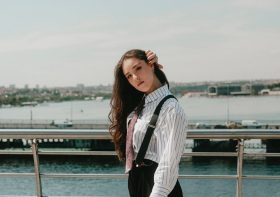
Mother of the Bride Outfits for Spring Ceremonies
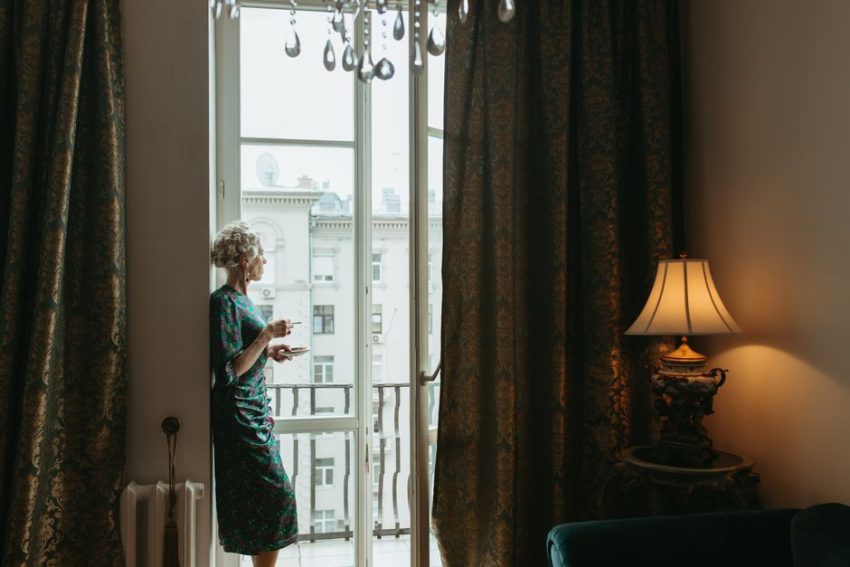
You have the invitation, the ceremony time, and a weather forecast that cannot make up its mind. The dress needs to look special in family photographs, feel comfortable through dinner, and handle a chilly church or a warm garden reception. The smartest plan is simple: choose the venue and schedule first, then build the outfit around fit, movement, and one reliable layer.
Start with the venue before choosing a spring ceremony outfit
The best mother-of-the-bride outfit begins with the setting, not a color trend. A formal hotel wedding calls for more polish than a country barn ceremony, while a morning service needs a lighter finish than an evening reception. Venue first prevents the most common mistake: buying a beautiful dress that feels wrong as soon as you arrive.
Match the ceremony level to the dress shape
For a cathedral, hotel ballroom, or black-tie reception, choose a below-the-knee dress, tailored suit, or long gown with covered shoulders. A midi hem looks polished without competing with the bride. For a garden, vineyard, or small outdoor ceremony, a printed midi dress, soft trouser suit, or skirt-and-jacket combination works better. Keep the hem clear of grass and avoid very full skirts that catch on chairs.
- Morning ceremony: choose a lighter fabric, a neat jacket, and low or mid-height heels.
- Afternoon ceremony: add texture through jacquard, crepe, lace, or subtle beading.
- Evening reception: use deeper color, satin, velvet trim, or a more formal neckline.
Plan for the full schedule
Write down the real timeline before shopping. If photographs begin at 10 a.m. and dancing ends at 10 p.m., you need an outfit that handles twelve hours, not just one flattering fitting-room pose. Test sitting, walking, lifting your arms, and using the restroom while wearing the full outfit. The winner is the look you can forget about once the ceremony begins.
Choose the silhouette that gives you movement and polish
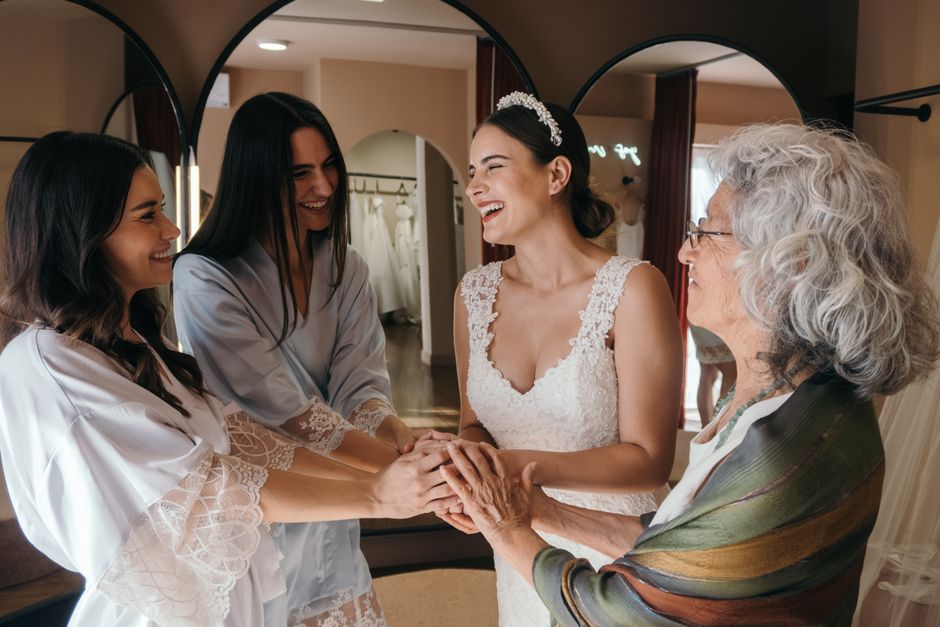
My clear pick is a structured midi dress with a removable jacket or wrap. It gives shape for photographs, covers the shoulders when needed, and can lose the extra layer once the reception warms up. A one-piece dress also reduces the risk of mismatched fabrics or a waistband that digs in after dinner.
Best one-piece options for an easy outfit
The J.Crew Gwyneth Cupro-Blend Dress, usually priced around $198, is a strong choice for a modern ceremony because the cupro fabric drapes like silk but has a cleaner, less shiny finish. Choose the Boden Satin Wrap Midi Dress, often around $240, when you want a defined waist and an adjustable neckline. Both work with a cropped jacket and a small clutch. Avoid a wrap that opens when you sit; secure it with a discreet safety pin at the inner seam.
When separates beat a dress
Choose separates if your top and bottom sizes differ, you want a repeatable wardrobe, or you need more coverage around the waist. A crepe wide-leg trouser with a beaded shell gives the same formality as a dress and makes restroom breaks easier. Separates also solve spring weather problems: wear the jacket during the ceremony, then remove it without changing the whole outfit. The verdict is firm: choose a dress for speed, but choose separates for the best fit across different body proportions.
Which colors photograph best at a spring wedding?
Use the wedding palette as a guide, not a rule. The strongest mother-of-the-bride colors for spring are dusty blue, sage, mauve, soft navy, berry, mushroom, and warm champagne. Skip white, ivory, and very pale blush unless the couple specifically approves them.
Should the outfit match the wedding colors?
No. Echoing one accent color is enough. If the flowers are lavender, choose blue-gray or muted plum rather than an exact purple dress. Exact matching can look staged in group photographs, especially when bridesmaids already wear the main wedding color. A related shade gives the photographs a connected look while keeping your outfit distinct.
How do you avoid a color that washes you out?
Hold the fabric near your face in daylight, not under a shop’s warm ceiling lights. If the color makes your skin look gray, yellow, or tired, move on. Add contrast with a neckline, earrings, or jacket rather than forcing a shade because it is popular. For spring ceremonies, medium-depth colors usually photograph more reliably than neon brights or very pale pastels. The best choice is the color that still looks clear beside white bridal fabric.
Layer for spring weather without hiding the outfit
Spring ceremonies create a narrow styling problem: you need warmth at the ceremony but do not want to spend the reception carrying a bulky coat. Build the outfit in three light layers instead of one heavy piece. This keeps the shape visible and gives you a practical response to wind, shade, and indoor air conditioning.
Follow this three-layer dressing plan
- Start with a lined dress, camisole, or smooth slip that prevents cling and keeps the outer fabric from catching on tights.
- Add a tailored cropped jacket, collarless coat, or fine-gauge cardigan that ends near the waist or hip bone.
- Carry a compact wrap for outdoor photographs. Fold it over the back of your chair instead of wearing it through dinner.
Keep the layer in the same color family as the dress. A navy jacket over a blue-gray dress looks intentional; a random black cardigan can make a soft spring outfit look like office clothing.
Choose fabrics that handle temperature changes
Crepe, lined viscose, silk blends, and lightweight wool all handle a cool morning better than thin polyester satin. Avoid heavy velvet unless the ceremony is late in the season or fully indoors. Check the care label before buying: dry-clean-only clothing is manageable, but a jacket that wrinkles after one car ride can become a nuisance. The best layer is light enough to fold, opaque enough for photographs, and roomy enough to wear over the dress without flattening the sleeves.
Pick shoes and accessories you can wear for twelve hours
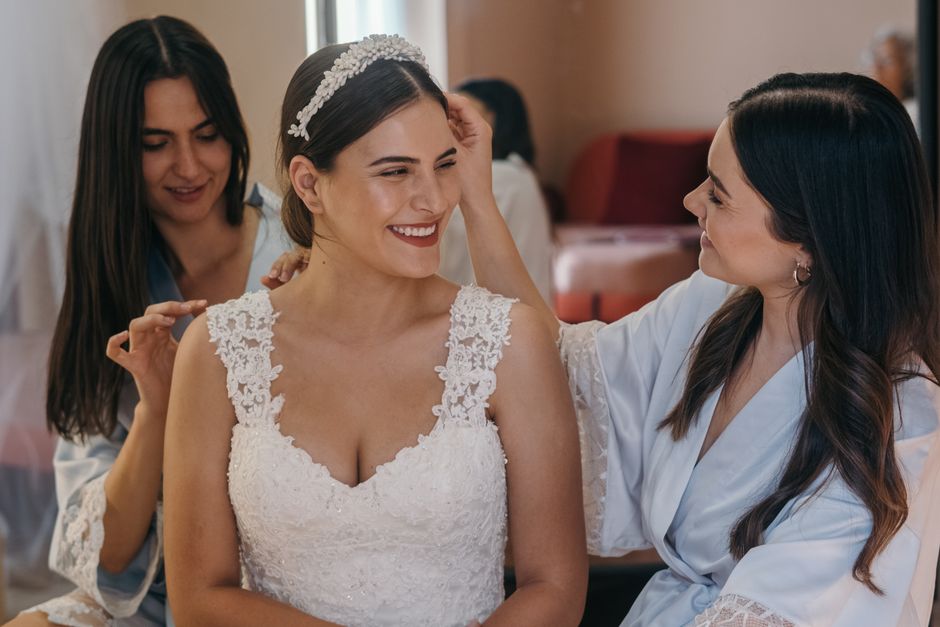
The outfit succeeds or fails at the feet. Comfortable shoes matter because mothers of the bride often stand for photographs, greet guests, walk across uneven ground, and dance after dinner.
Choose the heel height you can actually use
For grass, gravel, or long standing periods, choose a block heel under 2.5 inches or a polished flat. The Naturalizer Flexy Pump, usually about $99.95, is a practical mid-heel option with a flexible sole. The Vionic Minna Flat, often around $129.95, gives a dressier flat shape when heels are not realistic. Test both shoes with the outfit at least one week before the wedding. Walk upstairs, sit down, and stand for twenty minutes. A shoe that hurts after five minutes will not improve at hour eight.
Keep the accessories deliberate
Use one focal point: pearl earrings, a crystal bracelet, or a textured clutch. Do not add a necklace, large brooch, sparkling belt, and statement earrings to the same neckline. Match the metal to the hardware on the bag and shoes, but do not force every piece into one exact shade. A small structured bag holds tissues, lipstick, cards, and a phone without looking like an everyday tote. Add gel heel cushions and blister plasters to the bag before leaving home. The clear winner is a restrained accessory set that stays comfortable through photographs and dinner.
Avoid the spring wedding outfit mistakes that cause regret
The most expensive mistake is not choosing the wrong designer. It is waiting until the week before the ceremony, then accepting poor fit because there is no time left. Start the outfit at least six weeks ahead and leave room for one alteration appointment.
Use this final mistake checklist
- Do not wear white, ivory, or a near-white print without approval from the couple.
- Do not buy an unlined dress that turns transparent in outdoor sunlight.
- Do not choose a long hem that drags on grass or stairs.
- Do not assume a jacket fits because the dress fits; try both together.
- Do not save the shoes for the wedding day. Break them in at home first.
- Do not rely on a small handbag for emergency items if the ceremony lasts all day.
Finish with a full outfit test
Ten days before the ceremony, wear the dress, undergarments, jacket, shoes, bag, and jewelry for one hour. Sit on a dining chair, climb a few steps, walk outside, and take photographs in natural light. Check for bra straps, tight armholes, shifting wrap fabric, and a hem that catches under your shoes. Make the final alteration immediately, then hang every piece together.
That solves the opening problem: the forecast may still change, but your outfit will not. You arrive at the spring ceremony with a polished dress, a useful layer, shoes you trust, and enough comfort left to enjoy the photographs and the reception.