Thrifted Streetwear: What a Month of Secondhand Style Taught Me

The month proved that fit matters more than the label
After 30 days in thrifted streetwear, my clear verdict is simple: secondhand clothing works best when you shop for shape, fabric, and condition before you shop for a famous logo. I expected the savings to be the main benefit. Instead, the biggest change was learning how to build outfits around a few dependable silhouettes.
The budget was smaller than expected
I set a $250 limit for the month and bought eight useful pieces. That included two pairs of jeans, two jackets, work pants, a hoodie, a graphic T-shirt, and sneakers. I skipped anything with cracked prints, stretched waistbands, or stains that needed more work than the price justified.
| Piece | Thrift price | How often I wore it |
|---|---|---|
| Levi’s 501 jeans | $18 | 9 times |
| Carhartt Detroit jacket | $52 | 11 times |
| Dickies 874 work pants | $16 | 7 times |
| adidas Samba OG sneakers | $44 | 6 times |
The winning formula
The most successful outfits used one loose item, one cleaner fitted item, and one simple shoe. A wide pair of jeans looked intentional with a cropped jacket. A boxy hoodie worked better with straight-leg pants than with oversized joggers. The month made thrifted streetwear feel less like random treasure hunting and more like editing a wardrobe.
How to spot streetwear worth buying secondhand
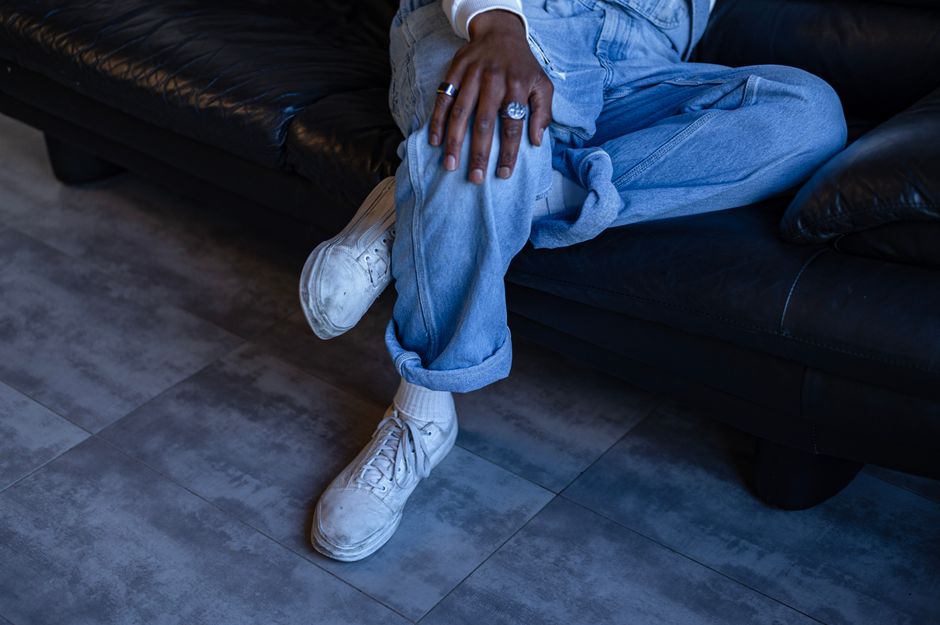
The best thrifted piece is not the rarest one. It is the garment you can wear at least three ways without repairing half of it. Use a fast inspection routine before you take anything to the fitting room.
Check these five areas first
- Inspect the collar, cuffs, knees, and seat for stretching or shine.
- Hold denim and cotton twill against the light to find thinning fabric.
- Read the care label. Dry-clean-only pieces are harder to wear often.
- Test every zipper, snap, drawstring, and pocket seam.
- Measure the garment flat instead of trusting the tagged size.
Measure for shape, not just size
For jackets, measure pit to pit, shoulder width, sleeve length, and back length. For pants, measure the waist, front rise, thigh, inseam, and leg opening. A 30-inch waist can fit very differently across brands and decades. In my search, a 23-inch jacket pit-to-pit gave me the relaxed shape I wanted without swallowing a T-shirt underneath.
Use fabric as your quality filter
Heavy cotton, firm denim, wool blends, and dense canvas usually age better than thin synthetic jersey. A faded color is fine. Broken fibers, persistent odor, and shiny abrasion are not. The verdict: buy the strongest fabric in the best shape, even if the brand is unfamiliar.
What actually worked across 30 days of outfits
My wardrobe became easier once I stopped chasing a different look every day. Three pieces carried most of the rotation: a workwear jacket, straight-leg jeans, and low-profile sneakers. They looked current with thrifted graphics but did not depend on a trend.
Best jacket: Carhartt Detroit
The thrifted Carhartt Detroit jacket was the month’s most useful purchase. The relaxed cut fit over a hoodie, while the short waist kept loose jeans from looking shapeless. The current new Denim Detroit Jacket lists at about $119.99 to $129.99, so finding one in good condition for $52 felt like a real saving. Look for intact cuffs, a clean lining, and pockets without torn corners. This is the best secondhand outer layer for people who want streetwear with structure.
Best jeans: Levi’s 501
Levi’s 501 jeans gave every outfit a stable base. The straight leg balanced bulky sneakers and cropped jackets, and the button fly stayed comfortable after repeated wear. Levi’s lists many 501 Original styles around an $84.95 original price, while thrifted pairs often land between $15 and $35. I preferred medium-wash denim with natural fading at the thighs. Avoid pairs with severe crotch wear, because that repair can fail quickly.
Best shoe: adidas Samba OG
The adidas Samba OG worked with jeans, work pants, and track trousers because its low profile did not compete with the rest of the outfit. The official new price is about $100, while my thrifted pair cost $44. Check the heel lining and outsole before buying. For a first pair of thrifted streetwear shoes, this is my winner: recognizable, easy to style, and less bulky than most retro sneakers.
How to clean and repair thrifted clothing safely
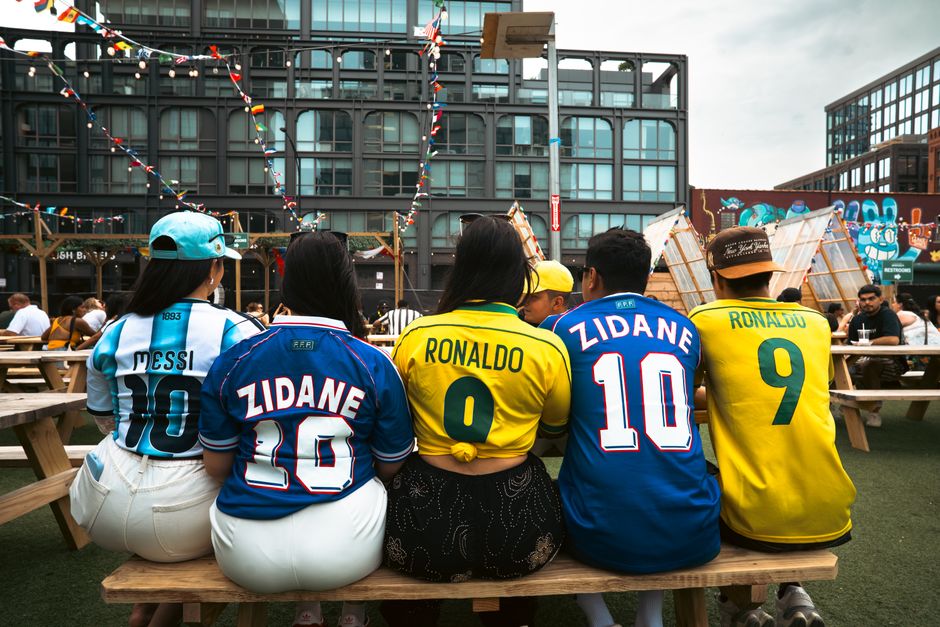
Cleaning is where a good find becomes a wearable find. My rule is to treat every garment as dirty until it has been washed, aired out, or professionally cleaned. Do not put an unknown piece straight into a hot dryer.
Use a three-step intake process
- Isolate the item in a bag until you inspect it at home.
- Read the fiber and care labels before adding water or heat.
- Wash, steam, or dry-clean it before mixing it with your regular wardrobe.
Wash sturdy cotton and denim inside out on a cold cycle, then air-dry them. Use a garment steamer for jackets and delicate knits. A soft brush removes surface dust from suede, but soaked suede needs a specialist. Sunlight can freshen odor, yet several hours of strong sun may fade dark dye.
Repair only problems with a clear payoff
Replace a missing button, reinforce a loose belt loop, or stitch a small pocket tear. Skip major alterations until you have worn the garment twice. I almost paid to taper a pair of pants that looked awkward in the fitting room. After styling them with a shorter jacket, the original wide leg became one of my favorite shapes. The verdict: clean first, wear twice, then decide if repair money makes sense.
Which thrifted streetwear pieces are worth hunting for?
Secondhand prices change by city, store, and condition, but these ranges show what I would pay. The new-price figures are useful anchors, not reasons to overpay for a used item.
| Piece | Good thrift price | What to inspect | My verdict |
|---|---|---|---|
| Carhartt Detroit jacket | $35–$80 | Cuffs, lining, pocket seams | Best layer |
| Levi’s 501 jeans | $15–$35 | Crotch, hem, waist, zipper or fly | Best everyday base |
| Dickies 874 work pants | $10–$30 | Seat, knees, belt loops | Best value |
| adidas Samba OG | $30–$65 | Heel lining, outsole, odor | Best low-profile shoe |
| Nike Air Force 1 ’07 | $25–$60 | Heel collapse, sole separation | Best bulky sneaker |
Buy the category before the color
Black and dark olive pieces were easiest to repeat, but medium denim gave the wardrobe more contrast. I would choose a clean pair of Dickies 874 pants over a louder branded item with weak fabric. The 874’s straight workwear shape works with cropped tees, long coats, and oversized sweatshirts.
Know when the discount is fake
A used sneaker with worn foam and a strong odor is not a bargain at $40. A faded jacket with torn lining is not a deal because the retail price was high. For expensive resale labels, compare the thrift price with current retail and recent sold listings. My clear cutoff: if a used item costs more than 60 percent of a clean new version, I pass unless the color or fit is genuinely rare.
What I would never buy used again
Thrifting saves money only when the piece survives real wear. These were the questions I asked after several near-misses.
Should you buy thrifted sneakers with worn heels?
No. A dirty upper can be cleaned, but a crushed heel counter changes the fit and can make the shoe uncomfortable. I passed on a heavily worn pair of Nike Air Force 1 ’07 sneakers even though the $28 price looked attractive. The Air Force 1 has a leather upper and a thick rubber sole, but neither feature fixes a collapsed heel. Buy used sneakers only when the outsole still has even tread and the inside has no major breakdown.
Should you buy a vintage graphic tee with a cracked print?
Only if you want it as a display piece. Small fading can look good. Large cracks, sticky ink, and fabric thinning around the graphic signal a short remaining life. A better buy is a faded heavyweight tee with a plain back and a print that still feels flexible. The shirt should fit your shoulders now; do not buy it hoping shrinkage or tailoring will rescue the shape.
Should you buy a jacket that smells strongly of smoke?
Usually no. Canvas and denim can hold odor deep in the fibers, and repeated washing may not remove it. I also avoided anything with mold spots, missing care labels, or lining damage near the armpits. The best secondhand purchase has a clear cleaning path. If the problem needs several risky treatments, the low sticker price is hiding the real cost.
How to build a thrifted streetwear wardrobe without overbuying
My strongest recommendation is to thrift by outfit gap, not by excitement. Start with one jacket, one pair of straight or relaxed pants, one clean T-shirt, and one dependable shoe. That small set creates more outfits than six eye-catching pieces that refuse to work together.
Use a four-question buying test
Before paying, ask: Can I wear this with three pieces I already own? Does the fit work without tailoring? Is the fabric strong enough for weekly use? Would I still buy it if the logo were hidden? If the answer is no to two questions, leave it behind. This test stopped me from buying a bright racing jacket that looked great on the rack but matched nothing in my closet.
Set a monthly limit and track wears
A $250 budget gave me room to buy carefully without turning thrifting into constant shopping. I recorded the price and wore each piece before buying another similar item. By the final week, the Carhartt jacket had earned the lowest cost per wear, while the statement tee had earned the highest. I began the month expecting thrifted streetwear to feel improvised. I ended it with a tighter wardrobe, better outfit judgment, and one clear answer: secondhand style works when every piece has a job.