Spring Wedding Guest Dresses: Pastel Colors and Light Fabrics
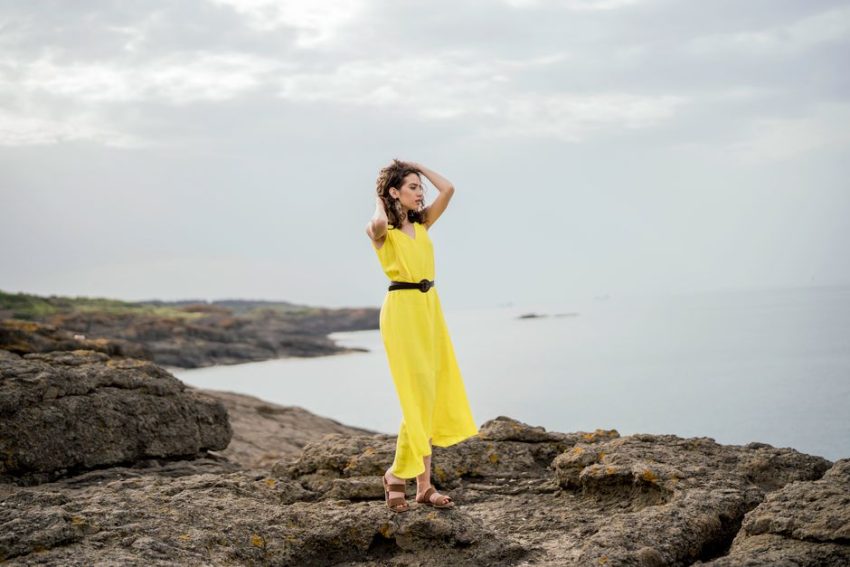
Most spring wedding guest dresses fail before the ceremony starts. The dress looks pretty online, then turns transparent in sunlight, blows open in the wind, or wrinkles before the first photograph. Pastel color is not the hard part. Fabric, lining, coverage, and movement decide if the outfit works.
Pastel Dresses Do Not All Look Fresh in Spring
My verdict: choose a softened color with enough contrast against your skin, not the palest shade available. A dress can be technically pastel and still look dull, bridal, childish, or almost white. That last problem matters at weddings. Ivory, pale champagne, and very light blush can photograph like bridalwear, especially outdoors under bright spring sun.
Pick color by contrast, not by trend
Soft blue works well when you want a cool, clean effect. Sage green feels more modern and usually hides small marks better than pale pink. Lilac suits a cool wardrobe, while peach and butter yellow look warmer and more cheerful. The best choice is usually one step stronger than the color you first save on your mood board. You want the shade to read clearly from several feet away.
Keep white-adjacent shades out of the risk zone
Skip dresses that look white on your phone screen, especially in satin or glossy polyester. Check the product photographs in outdoor light and read the color name carefully. A dusty rose, blue-gray, or muted pistachio gives you the soft spring effect without competing with the bride. Avoid heavy bridal details too: corset boning, cathedral-length trains, crystal belts, and dramatic white lace all push a pastel dress toward the wrong category.
The clear winner for most daytime ceremonies is a mid-tone pastel with a matte or softly textured surface. It looks intentional in photographs and remains easy to style after the wedding.
Which Pastel Color Works Best for the Wedding Setting?
The venue changes the color decision more than the season does. A pale blue dress that looks elegant beside a lake may feel cold in a dark restaurant. A peach chiffon dress can look beautiful in a garden and overly sweet under amber ballroom lights. Match the color temperature and depth to the setting first.
| Wedding setting | Best pastel colors | Color to avoid | Reason |
|---|---|---|---|
| Garden or daytime outdoor | Sage, cornflower blue, dusty rose | Very pale ivory | Bright sunlight makes near-white fabric look bridal |
| Beach or waterside | Seafoam, lavender, soft blue | Heavy mustard yellow | Dark yellow can look harsh beside bright light |
| Hotel ballroom | Peach, mauve, muted teal | Washed-out beige | Warm indoor lighting can drain low-contrast shades |
| Evening city venue | Plum-lilac, dusty blue, rose pink | Neon pastel | High-brightness color looks casual under evening lighting |
The safest color for repeat wear
Dusty blue is the strongest all-purpose choice. It works for daytime and evening events, pairs with silver or gold accessories, and does not read as bridal in the way pale cream can. Sage is the better pick if you prefer earthy accessories and low-maintenance styling.
When a brighter pastel wins
Choose peach, coral pink, or butter yellow for a daytime ceremony where the dress needs visual energy. Keep the cut simple. A bright pastel already provides interest, so adding sequins, oversized bows, and a dramatic sleeve creates a costume effect. Color should lead; decoration should support it.
Which Spring Wedding Guest Dresses Are Actually Worth Buying?
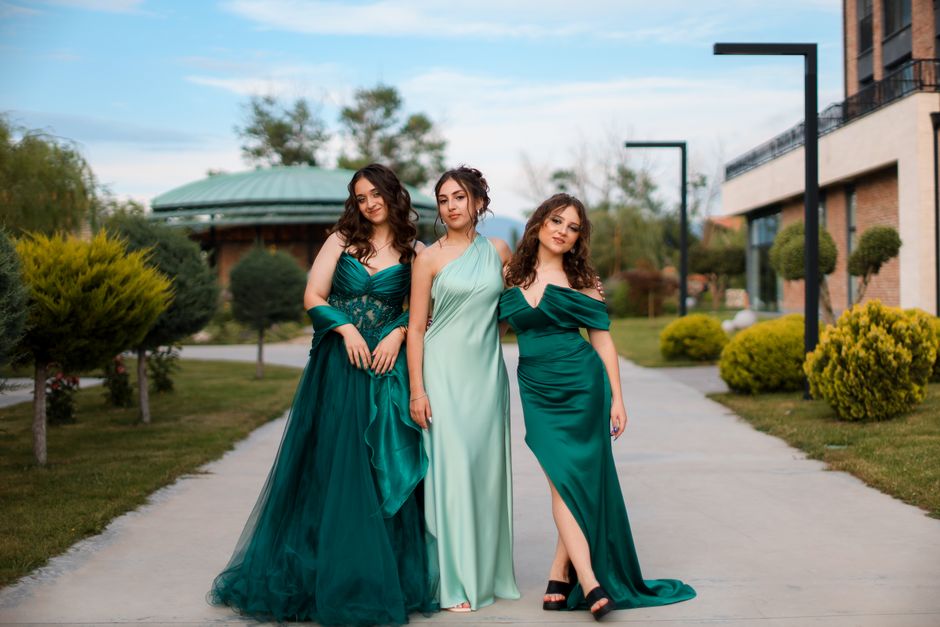
The product comes after the fabric and color decision. Buying a famous label will not rescue a dress that is too sheer or badly cut. Still, a few current examples show how the options divide by budget and use.
Best budget-conscious satin
The Pretty Lavish Bridesmaids Juliet satin gathered one-shoulder maxi dress in dusty pink was listed at $144 in 2026, reduced from $160. It uses a satin-style 100% polyester fabric, with a slim fit, ruched detail, and side zip. The dusty pink color is easy to dress up, but the slim cut means it needs accurate bust and hip measurements. Verdict: best for an indoor reception when you want a sleek silhouette below $150.
Best chiffon direction
The BHLDN Strapless Chiffon Maxi Dress was listed at $328. Its chiffon construction makes more sense for warm outdoor events than a glossy satin gown, but a strapless neckline demands a secure fit. Buy it only if the bodice stays in place when you walk, sit, and lift one arm. Verdict: the better choice for a garden ceremony when movement and airflow matter more than shine.
Best statement option
The BEC + BRIDGE Arielle Maxi Dress was listed at $400, while the L’IDÉE Masquerade Gown was listed at $599. Both sit in the statement-dress category, so the cut does more of the work than the pastel color. The L’IDÉE option makes sense for a formal evening venue; it is excessive for a casual afternoon ceremony. Verdict: spend at this level only when the dress has a second clear use in your wardrobe.
Prices and stock move quickly, so treat these figures as 2026 reference points rather than permanent promises. The strongest buy for most guests remains a lined chiffon or light crepe dress in dusty blue, sage, or muted rose.
What Mistakes Make Light Wedding Dresses Look Cheap?
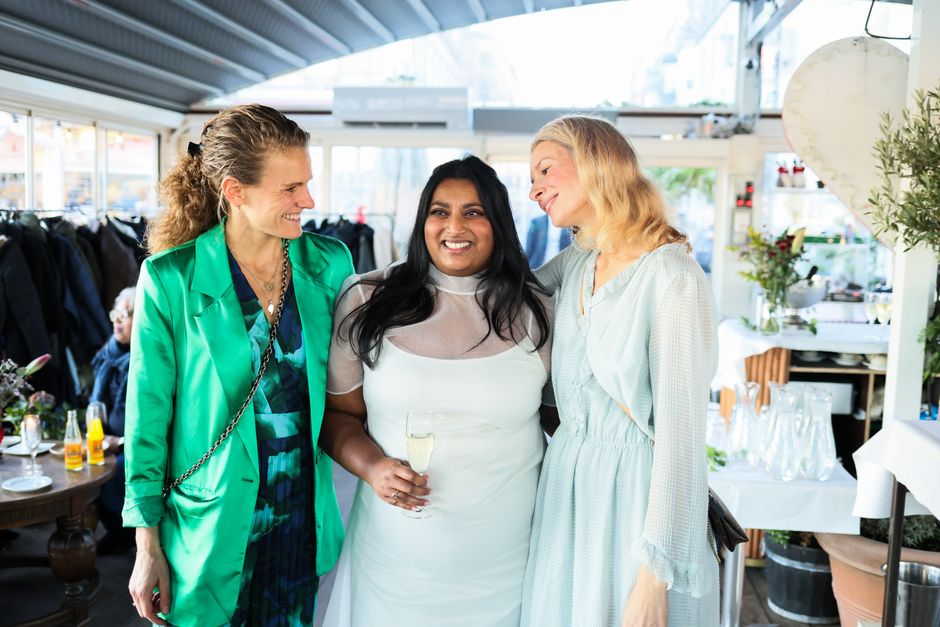
Pastel dresses expose mistakes faster than dark dresses. Thin fabric reveals underwear lines, cheap shine, and uneven hems. These problems are easy to prevent if you inspect the whole outfit before the event.
Common failures to avoid
- Visible nude underwear: beige does not disappear under every pastel. Match underwear to your skin tone, use seamless edges, and test it in direct light.
- Too much shine: glossy polyester can reflect flash and show every fold. Choose matte chiffon, crepe, or a heavier satin if you want polish.
- Wrong bra shape: a strapless dress with visible bra edges looks unfinished. Test the actual bra with the dress, not a substitute.
- Thin straps outdoors: narrow straps can dig into the shoulder and leave the bodice unstable. Wider straps are more comfortable for long ceremonies.
- Over-accessorizing: pastel color, floral earrings, rhinestones, and a large hair bow compete for attention. Pick one focal detail.
When to choose a darker alternative
Do not force pastel if the wedding starts after sunset, the venue is formal, or you know the dress will be exposed to rain and grass. Dusty teal, berry, navy, or muted plum gives you stronger coverage and often hides creases better. A darker dress can still feel springlike when the fabric is light and the accessories are bright.
When to choose separates
A pale blouse with a satin midi skirt is smarter than a pastel dress when the forecast is unpredictable. You can add a jacket, swap shoes, and wear each piece again. The tradeoff is that separates need careful color matching. Keep one item soft and neutral so the outfit does not look assembled from unrelated pieces.
The mistake that costs the most is buying a dress for one photograph instead of four hours of real movement. Comfort and coverage are part of the look.
What Is the Best Final Choice for a Spring Wedding?
For a daytime outdoor wedding, buy a lined chiffon or light crepe midi in dusty blue, sage, or muted rose. Choose a length that clears the ground, a neckline that stays secure without constant adjustment, and a fabric that remains opaque in direct sun.
The simplest winning formula
Use one pastel dress, one structured layer, low jewelry, and stable shoes. A cropped blazer handles cold shade. A small shoulder bag keeps your hands free. Metallic sandals or block heels add enough finish without making the outfit look bridal.
The final test before removing the tags
Stand near a bright window, sit for ten minutes, walk up stairs, raise both arms, and take a flash photograph. If the dress passes all five tests, it is ready for the wedding. If it fails one, return it before the event creates pressure to keep a poor purchase.
The single most important takeaway: the best spring wedding guest dress is a clearly colored, fully lined dress in a breathable fabric that still looks composed when you sit, walk, and face bright sunlight.