Secondhand Only Wardrobe: My Tips, Challenges, and Triumphs
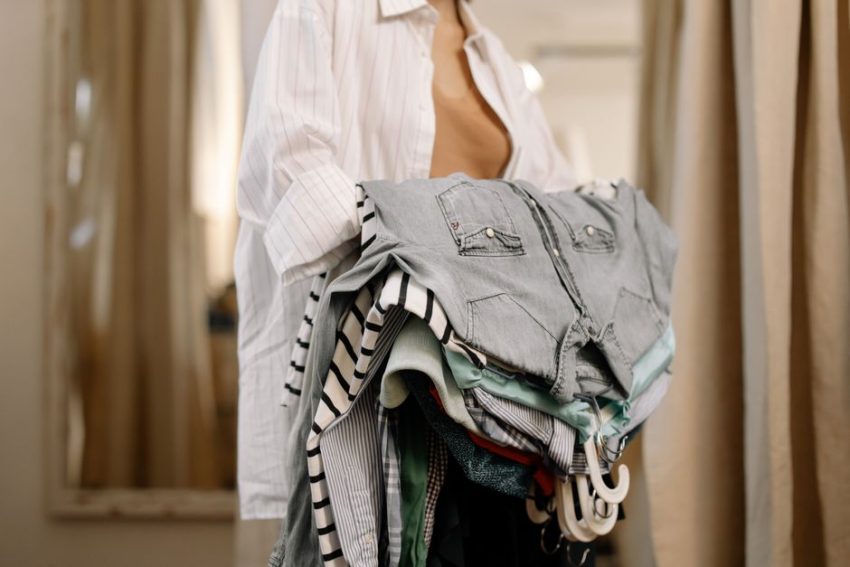
I stopped buying new clothes in January 2026. Eighteen months later, my closet is 100% secondhand — and I’ve saved roughly $1,200 while wearing better fabrics than ever. This isn’t a flex about deprivation. It’s a practical breakdown of what worked, what failed, and exactly how you can make the switch without looking like you raided a 1980s costume bin.
Why I Dumped Fast Fashion Cold Turkey
My breaking point was a $60 Zara blazer that frayed at the elbows after three wears. That’s $20 per wear for polyester garbage. Meanwhile, a 1990s wool blazer I found at a thrift store for $12 has held up through two winters. The math stopped making sense.
Secondhand shopping solves the core problem fast fashion created: disposable quality disguised as affordability. When you buy pre-owned, you skip the $5 T-shirt that pills after one wash. You get the $200 Eileen Fisher sweater for $35. The tradeoff is time. You won’t find your size in the right color on the first try. But once you learn the system, the payoff is massive.
Key insight: A secondhand only wardrobe isn’t about being cheap. It’s about accessing higher-quality construction for the same money you’d spend on fast fashion.
The Four Apps That Made This Possible
I tested every resale platform for six months. Here’s the verdict on which ones actually deliver.
| App | Best For | Price Range | My Tip |
|---|---|---|---|
| Depop | Trendy pieces, Y2K, streetwear | $15–$80 | Message sellers before buying — many accept 20% lower offers |
| Poshmark | Workwear, mid-tier brands (J.Crew, Madewell, Anthropologie) | $20–$120 | Bundle 3+ items from one seller to save on shipping ($7.67 flat fee) |
| The RealReal | Luxury designer (Gucci, Prada, Stella McCartney) | $80–$500+ | Wait for their 40% off sale days — they happen every 6 weeks |
| eBay | Vintage gems, niche brands, raw denim | $10–$200 | Save searches for specific brands and size — alerts are more reliable than browsing |
My daily rotation: I check Depop and Poshmark twice a week. The RealReal only during sale events. eBay for specific items I’ve been hunting for months.
How I Solved the Sizing Nightmare
Secondhand sizing is a mess. A vintage size 8 is not a modern size 8. A 1990s Gap Large fits like a 2026 Gap XS. Here’s my system.
Step 1: Know your measurements. I keep a note in my phone with my bust (36″), waist (28″), and hip (39″). Any listing without measurements? I ask. If the seller won’t provide them, I move on. Not worth the risk.
Step 2: Learn brand-specific sizing. J.Crew runs 1 size large. Reformation runs 1 size small. Levi’s 501s from the 1990s fit tighter than modern 501s. I have a mental map of 15 brands and their quirks. Start with the brands you already own — measure them, then compare to secondhand listings.
Step 3: Accept a $10 mistake. I’ve bought three items that didn’t fit. Total loss: $32. That’s cheaper than one fast-fashion dress that would also fit badly. I re-donate or resell on Depop. The cost of a wrong guess is low. Don’t let fear of bad sizing paralyze you.
The Three Failures I Almost Made
I nearly quit twice. Here’s what almost broke me.
Failure 1: Buying for the label, not the item. I snagged a Gucci blazer for $90 on The RealReal. It was stained under the arms. Dry cleaning couldn’t fix it. Now I inspect photos for discoloration, pilling, and fabric shine — signs of wear that can’t be undone.
Failure 2: Ignoring fabric content. A silk blouse that says “dry clean only” isn’t a problem. A rayon blouse that says “hand wash” will shrink. I filter for wool, cotton, linen, silk, and cashmere. Polyester and acrylic? Hard pass unless it’s an outerwear piece I’ll wear three times a year.
Failure 3: Hoarding just because it was cheap. I had 14 secondhand T-shirts after three months. Most were mediocre. Now I follow a one-in-one-out rule for basics. If I buy a white tee, one leaves. Cheap doesn’t mean valuable. Curation matters more than volume.
When NOT to Buy Secondhand
Some items should be bought new. Here’s my list.
- Sneakers you’ll run in. Used running shoes have broken-down cushioning. Buy new from Nike or Hoka. Save secondhand for fashion sneakers like Veja or Adidas Originals.
- Underwear and swimwear. Hygiene issue. New only.
- White button-downs. Collar stains and underarm yellowing are nearly impossible to remove. I buy white shirts new from Uniqlo ($40) and everything else secondhand.
- Anything with zippers that feel sticky. Zippers are expensive to replace. If the listing says “zipper needs repair,” skip it unless you know a tailor who charges under $20.
The rule: buy secondhand for structure and fabric, buy new for intimate items and technical gear.
How I Keep My Wardrobe Cohesive (Not Chaotic)
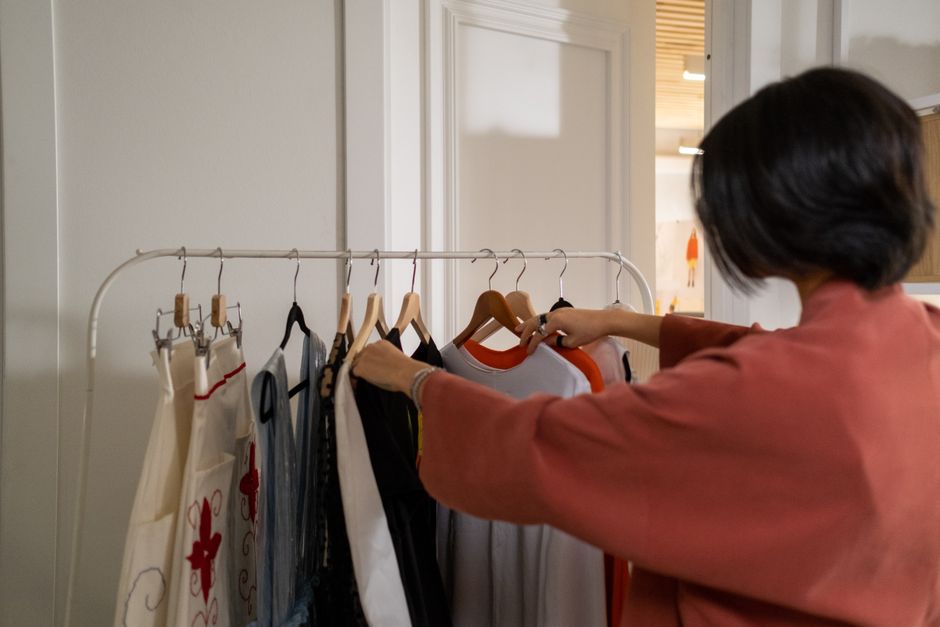
A secondhand wardrobe can look like a costume box if you don’t edit. My system is simple.
Color palette: Black, cream, navy, olive, and denim. That’s it. Every secondhand piece has to fit into one of these colors. This eliminates the “cool vintage print that doesn’t match anything” trap.
Silhouette rules: I only buy high-waisted bottoms and fitted tops. If it’s not high-waisted, it doesn’t come home. This constraint makes everything mix-and-match. I own 28 items total. That’s enough for two weeks without repeating an outfit.
Seasonal rotation: I store off-season items in a vacuum bag under my bed. Twice a year, I swap. This keeps my closet from feeling cluttered and forces me to re-evaluate what I actually wear.
My Verdict: Is a Secondhand Only Wardrobe Worth It?
Yes — with caveats. You’ll spend more time searching. You’ll lose auctions by one second. You’ll buy a dress that looks better on the mannequin than on you. But the upside is real: better quality for less money, a wardrobe that’s genuinely unique, and zero guilt about where your clothes came from.
If you want to start today, pick one category. I started with sweaters. It’s the easiest category to thrift because wool lasts forever and nobody wants last season’s cashmere. Find three sweaters on Depop under $30 each. Wear them for a month. Then add pants. Then dresses. The secondhand only wardrobe isn’t built in a weekend. It’s built in seasons.