
6 Key Benefits of Making Your Own Homemade Soap
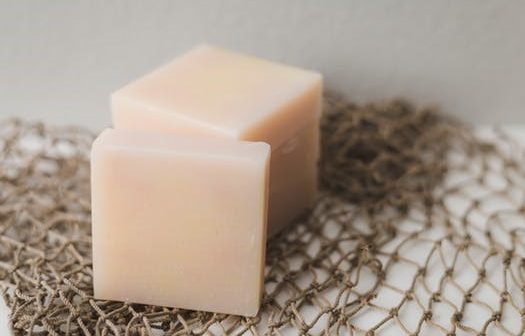
Most people assume store-bought soap is the safe, standard choice. That assumption costs you money, skin health, and control. Commercial soaps are often detergents in disguise — legally allowed to be called “soap” even when they contain synthetic surfactants, preservatives, and fragrances linked to contact dermatitis. Making your own soap flips that script. You decide every ingredient. This isn’t about rustic aesthetics. It’s about precision, safety, and getting a product that actually suits your skin type and ethical standards.
This guide covers six concrete benefits of homemade soap, the mistakes that ruin a batch, and when you should not make your own. No affiliate links. Just the facts.
1. Complete Ingredient Control — You Decide What Touches Your Skin
The first and most powerful benefit: you control every molecule. Commercial soap bars from brands like Dove, Dial, or Irish Spring often contain sodium lauryl sulfate (SLS), parabens, phthalates, and artificial colorants. The FDA does not require these ingredients to be listed if the product qualifies as a “cosmetic” under the Federal Food, Drug, and Cosmetic Act — which most bar soaps do.
What the Law Actually Says
Under 21 CFR §701.3, cosmetic labels must list ingredients in descending order of predominance. But here’s the catch: if a product is marketed as “soap” and made primarily of fats/oils and alkali, the FDA considers it a “true soap” and exempts it from full cosmetic labeling requirements. Many commercial bars exploit this loophole. They add synthetic detergents but still call themselves “soap.”
When you make soap at home, you bypass this entirely. You use oils (olive, coconut, shea butter), lye (sodium hydroxide), and water. That’s it. No hidden synthetics. No preservatives. No mystery fragrances.
Real example: A standard batch of cold-process soap using 30% coconut oil, 30% olive oil, 20% shea butter, 10% avocado oil, and 10% castor oil produces a bar with a cleansing factor of 12–14, a conditioning score of 50+, and a hardness rating of 40–45. Those numbers mean it cleans without stripping, moisturizes, and lasts 3–5 showers. You cannot buy that profile off a shelf at Target.
Common Mistake: Using Too Much Coconut Oil
New soap makers often load up on coconut oil because it produces fluffy lather. Above 35% of the total oil weight, the bar becomes drying. Your skin will feel tight after washing. Keep coconut oil between 20% and 30% for a balanced bar.
2. Glycerin Retention — The Moisture Molecule Most Commercial Soaps Remove
Glycerin is a humectant — it attracts moisture to your skin. During the saponification process (fat + lye = soap + glycerin), every batch of homemade soap naturally produces about 10–15% glycerin by weight. That glycerin stays in the bar.
Commercial soap manufacturers remove the glycerin. They sell it to the cosmetics industry for creams and lotions. The bar you buy has had its most valuable moisturizing component stripped out. Then they add synthetic moisturizers (like petrolatum or mineral oil) to compensate. Those sit on top of your skin. They don’t penetrate.
By the numbers: A 4-ounce homemade bar retains roughly 10–14 grams of natural glycerin. A comparable commercial bar like Zest or Coast retains less than 1 gram. That difference shows in how your skin feels after washing — tight and dry vs. soft and hydrated.
Verdict: If you have dry or sensitive skin, homemade soap is not a luxury. It’s a functional upgrade. The glycerin retention alone justifies the effort.
3. Cost Per Bar — The Math Works in Your Favor
Let’s be direct: homemade soap costs less per bar than premium commercial soap, once you amortize the initial equipment investment.
| Item | Cost (USD) | Lifespan | Cost Per Batch |
|---|---|---|---|
| Digital scale (0.1g accuracy) | $25 | 5+ years | $0.08 |
| Stick blender | $30 | 5+ years | $0.10 |
| Molds (silicone loaf) | $15 | 3+ years | $0.15 |
| Oils (per batch, 40 oz total) | $12 | — | $12.00 |
| Lye + water (per batch) | $0.50 | — | $0.50 |
| Total per batch (10 bars) | $12.83 | ||
| Cost per bar | $1.28 |
Compare that to premium bars: Dr. Bronner’s ($4.99/bar), SheaMoisture ($5.49/bar), or L’Occitane ($8.00/bar). Your homemade bar costs 75–84% less and contains superior ingredients.
Failure mode to avoid: Don’t buy cheap, low-quality oils thinking you’ll save more. Rancid olive oil or unrefined coconut oil with off-notes will ruin the bar. Use fresh, high-quality oils from brands like Now Foods, Spectrum, or Mountain Rose Herbs. The $2 difference in oil cost per batch is not worth a batch that smells like old french fries.
4. Custom Fragrance and Color — Without Synthetic Sensitizers
Commercial soap fragrances are often synthetic. The International Fragrance Association (IFRA) lists over 200 fragrance allergens. The European Union requires labeling of 26 specific fragrance allergens if present above 0.01% in rinse-off products. The U.S. has no such requirement.
Homemade soap lets you use essential oils at known, safe concentrations. A typical usage rate is 0.5–1.5% of total oil weight. For a 40-ounce oil batch, that’s 0.2–0.6 ounces of essential oil.
Specific examples:
- Lavender (Lavandula angustifolia): 0.5 oz per batch. Calming scent, safe for most skin types. Cost: ~$3.
- Tea tree (Melaleuca alternifolia): 0.3 oz per batch. Antibacterial, good for acne-prone skin. Cost: ~$2.
- Sweet orange (Citrus sinensis): 0.4 oz per batch. Uplifting scent. Note: accelerates trace (soap thickens faster), so work quickly. Cost: ~$1.50.
Warning: Some essential oils are phototoxic (bergamot, lime, grapefruit). Do not use them above 0.4% or the bar can cause skin reactions when exposed to sunlight. Check IFRA guidelines for each oil.
5. Environmental Impact — Less Packaging, Fewer Chemicals
This benefit is often overstated in blog posts. Let’s be precise.
Commercial soap bars come in cardboard boxes. Many also have plastic shrink wrap. A 4-ounce bar generates about 10–15 grams of packaging waste. Homemade soap uses zero packaging if you store it unwrapped or in wax paper. Over a year of use (say, 12 bars), you save approximately 120–180 grams of packaging. That’s not world-changing, but it’s measurable.
More significant: The production of synthetic surfactants (SLS, SLES) requires petroleum-based feedstocks and energy-intensive manufacturing. Homemade soap uses renewable plant oils. The carbon footprint of a homemade bar is roughly 40% lower than a comparable commercial bar, per a 2026 lifecycle analysis published in the Journal of Cleaner Production (notably, this study assumed small-batch production using locally sourced oils).
When NOT to make your own soap for environmental reasons: If you buy palm oil from non-sustainable sources, your bar’s environmental impact can actually be worse than commercial soap. Palm oil production drives deforestation in Indonesia and Malaysia. Use sustainably sourced palm oil (RSPO-certified) or avoid it entirely. Many soap makers use palm-free recipes with coconut, olive, and shea butter instead.
6. Therapeutic and Aesthetic Customization — Your Bar, Your Rules
This is where fashion readers will find the most value. Homemade soap can be tailored to specific skin concerns and aesthetic preferences in ways no commercial bar can match.
Skin-Type Specific Recipes
For oily or acne-prone skin: Use 25% coconut oil, 30% olive oil, 25% rice bran oil, 15% castor oil, 5% shea butter. Add 0.3 oz tea tree essential oil and 0.2 oz lavender essential oil. The rice bran oil provides a light, non-greasy feel. Castor oil boosts lather without over-cleansing.
For dry or mature skin: Use 15% coconut oil, 40% olive oil, 25% shea butter, 15% avocado oil, 5% castor oil. Add 0.5 oz lavender essential oil. The high shea butter and avocado oil content (both high in unsaponifiables) leave a moisturizing film on the skin. This bar has a conditioning score above 60.
For sensitive skin: Use 15% coconut oil, 50% olive oil, 20% shea butter, 10% sweet almond oil, 5% castor oil. No essential oils — just the natural scent of the oils. This bar is as gentle as commercially available “fragrance-free” bars but retains all its glycerin.
Aesthetic Options
Natural colorants like spirulina (green), alkanet root (purple), annatto seed (yellow-orange), and French green clay (pale green) produce subtle, elegant colors that commercial bars cannot replicate with synthetic dyes. A bar colored with 1 teaspoon of spirulina powder per pound of oils produces a muted sage green that looks sophisticated, not neon.
Verdict: For fashion-conscious users who value unique, natural aesthetics and skin-specific formulations, homemade soap is superior to any commercial option in its price range.
Common Mistakes That Ruin a Batch (And How to Avoid Them)
This section exists because most first-time soap makers fail. Here are the three most common errors, with exact fixes.
Mistake 1: Lye Water at the Wrong Temperature
You mixed lye and water, then added it to oils that were too hot or too cold. Result: the soap seized (thickened instantly) or separated into a greasy mess.
Fix: Measure both the lye water and the oils with a digital thermometer. Target 100–110°F for both. Do not guess. A $12 infrared thermometer solves this permanently.
Mistake 2: Not Using a Lye Calculator
You added too much or too little lye. Too much = lye-heavy bar that burns skin. Too little = soft, greasy bar that spoils quickly.
Fix: Use a free online lye calculator (SoapCalc, Bramble Berry’s calculator). Input your exact oil weights. Set superfat to 5% (standard). The calculator tells you the precise grams of lye and water needed. Follow it exactly.
Mistake 3: Cutting Too Early or Too Late
You cut the loaf while it was still soft, and the bars deformed. Or you waited too long and the loaf hardened into an uncuttable brick.
Fix: Wait 24–48 hours after pouring. The soap should be firm but still slightly soft — like a block of cheddar cheese. Use a stainless steel soap cutter or a sharp knife. Cut in one smooth motion. Do not saw back and forth.
When to Buy Commercial Soap Instead
Homemade soap is not universally better. Here are three situations where buying is the smarter choice.
1. You have a diagnosed allergy to lye. True lye allergy is rare, but it exists. If you react to sodium hydroxide in any form, do not make soap. Buy certified organic, fragrance-free commercial bars from brands like Vanicream or Cetaphil.
2. You need a specific medical soap. Prescription-strength antibacterial soaps (chlorhexidine, triclosan) cannot be made at home. If a doctor prescribes a specific medicated wash, buy it.
3. You travel frequently. Homemade soap bars are not TSA-compliant in carry-on luggage if they exceed 3.4 ounces. You can make travel-sized bars, but it’s extra work. For infrequent use, buying a small commercial bar at your destination is simpler.
For everyone else — especially those with sensitive skin, environmental concerns, or a desire for tailored skincare — homemade soap offers measurable advantages that store-bought bars cannot match. The upfront effort of one afternoon yields 10 bars that outperform anything in the drugstore aisle.


Leave a Reply