How I Built a Gender-Neutral Streetwear Wardrobe That Works

The real problem was fit, not a lack of clothes
My wardrobe failed on ordinary mornings. I had graphic tees, jeans, hoodies, and several pairs of sneakers, yet getting dressed still felt like solving a small puzzle. One shirt looked too narrow with relaxed pants. One jacket swallowed every outfit. Another pair of jeans fit at the waist but made the whole look feel stiff. I was buying more clothes to fix a styling problem caused by poor proportions.
Clothing labels were giving me the wrong starting point
Gender-neutral dressing works best when you begin with measurements, shape, and movement instead of the section of a store. A straight shoulder line, a roomy sleeve, a mid-rise waist, or a longer hem can work on many bodies. The same item can look sharp, soft, athletic, or tough after a small change in proportion. That flexibility is the point. A shared wardrobe should offer choices without forcing one person into a masculine fit or another into a feminine one.
The three-question fit test
I now check three things before keeping a piece: Can I move my arms without pulling the fabric? Does the hem sit at a useful point with my widest bottoms? Can I wear the item with at least three pieces I already own? If the answer is no, the item leaves. This rule stopped impulse purchases faster than any color palette did.
Build around proportion before choosing a color palette

My verdict
Start with one relaxed layer, one cleaner layer, and one sharp contrast. That combination creates more outfits than a closet full of oversized basics because the eye needs a change in scale. A loose top with loose pants can work, but it needs a visible break such as a cropped jacket, a tucked hem, exposed ankle, or a structured bag.
Why it works
I found that a gender-neutral streetwear wardrobe looks most intentional when every outfit has one dominant shape. If the trousers are wide, the top should either finish at the hip or carry enough structure to hold its line. If the hoodie is long and heavy, slimmer straight-leg pants keep the outfit from becoming one large block. This does not mean wearing tight clothing. It means giving the clothes different jobs.
Color comes second. Black, washed charcoal, cream, navy, olive, and faded denim made my first group easy to combine, but the real improvement came from repeating proportions. A cream tee, black overshirt, and wide trouser felt related to a charcoal hoodie, blue jean, and cropped jacket even when the colors changed.
The cleanest rule I kept was simple: buy fewer silhouettes, then repeat them with confidence. Streetwear looks personal when the shape stays consistent and the details change.
A 10-piece base beats a 30-piece closet
After fixing the fit problem, I tested a small base wardrobe. The goal was not to own only ten items forever. It was to identify the pieces that carried the most outfits, then add personality around them. These are the products I would use as starting points because their cuts are familiar, their prices are visible, and they cover different levels of structure.
The first-pass wardrobe
| Item | Role | Listed US price | Best use |
|---|---|---|---|
| UNIQLO AIRism Cotton Oversized T-Shirt | Relaxed base layer | $19.90 | Warm weather and layering |
| Dickies Original 874 Work Pants | Structured trouser | $45.00 | Daily streetwear outfits |
| Levi’s 501 Original Jeans | Straight denim | $84.95 | Simple casual dressing |
| adidas Samba OG | Low-profile sneaker | $110.00 | Balancing wide or straight pants |
The clear winner for a first purchase
For most people, the UNIQLO AIRism Cotton Oversized T-Shirt is the best first buy because the XXS-to-3XL range, relaxed shape, and $19.90 listed price make sizing experiments less expensive. The Dickies 874 comes next when you need structure. The Levi’s 501 works for a classic straight line, while the adidas Samba OG gives wide trousers a clean, low shoe. Prices can change, so I treated them as reference points rather than promises.
Use these fit rules before buying anything new
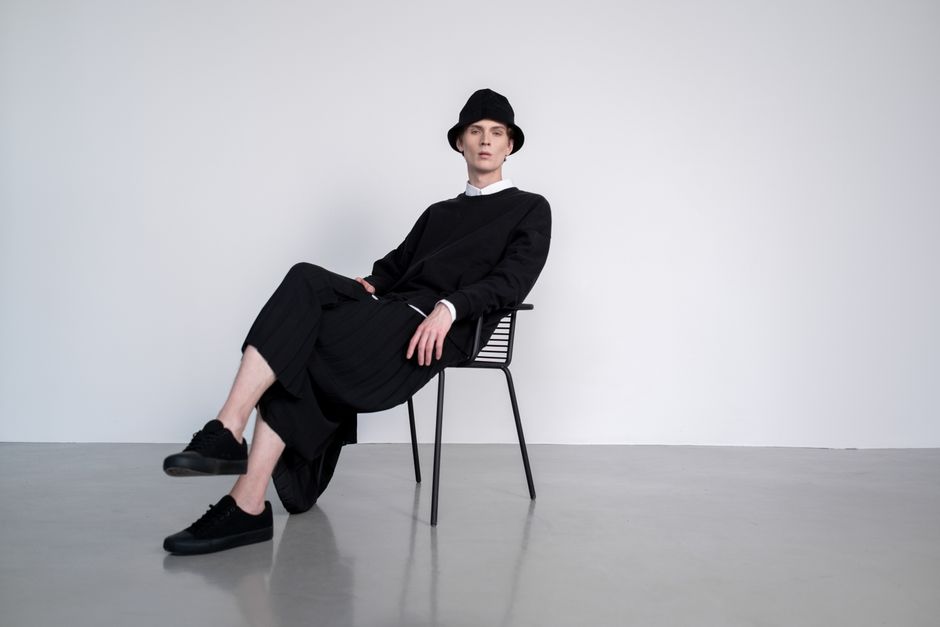
The fitting sequence I use in a store
- Check the shoulder seam. For tees, the seam can sit slightly past the shoulder, but it should not drop so far that the sleeve looks accidental.
- Measure the rise. A mid-rise trouser gives more styling options than an extreme low or high rise. It can sit naturally or move slightly lower for a looser streetwear line.
- Watch the hem break. Straight jeans should touch the shoe lightly. Wide pants can stack, but a heavy pile of fabric shortens the leg visually.
- Test the seat and thigh. Sit, bend, and walk. If the fabric pulls across the seat, sizing up may help. If the waist becomes loose, a tailor can often fix it.
- Check sleeve balance. A roomy sleeve needs a cuff, a shorter jacket, or a visible wrist to keep the outfit from looking shapeless.
- Try the full outfit. Never judge a unisex piece alone. Put it beside your actual shoes and bottoms, because the same cut can look balanced with one pair and bulky with another.
The biggest mistake I made was treating oversized as a size choice instead of a design choice. Buying three sizes too large rarely creates the same line as a garment cut with a wider body and correct sleeve length. For a cleaner result, choose the intended relaxed size first, then adjust only one proportion.
What I kept, replaced, and skipped
My wardrobe became easier after I stopped asking if an item looked gender-neutral in isolation. I asked if it supported the way I already dressed.
Should every piece be labeled unisex?
No. A men’s straight jean, a women’s cropped jacket, or a unisex tee can all work. The label matters less than the waist, rise, shoulder, and hem. I kept the Levi’s 501 because its straight leg gave me a stable base, not because of the section where I found it. I skipped trousers with a very narrow thigh, even when the color was perfect.
Are oversized clothes always the best streetwear choice?
No. Oversized clothing is useful when the fabric has enough weight to hold its shape, but thin fabric can collapse around the body. The UNIQLO AIRism tee gave me an easy relaxed layer, while a lighter bargain tee looked limp under a jacket. My rule is to choose one oversized item per outfit unless the shoes or jacket create a strong visual break.
When should you skip a popular sneaker?
Skip the adidas Samba OG if you need a cushioned shoe for long walks, wide feet, or wet weather. Its low profile makes outfits look balanced, but it is not a walking trainer. I would choose a cushioned running-inspired sneaker instead and keep the Samba for shorter days. A wardrobe earns its place through use, not popularity.
The final test is getting dressed in five minutes
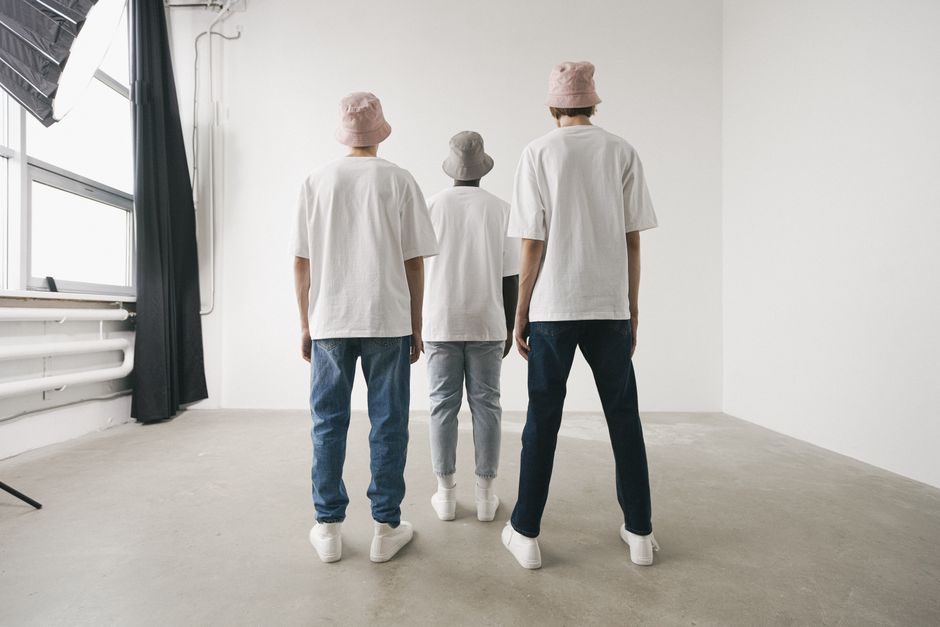
My strongest recommendation is to build a uniform before building a collection. Pick two bottom shapes, three top lengths, one dependable jacket, and two shoes that cover different levels of comfort. That small system gives you enough variation without making every morning a styling project.
The five-minute outfit formula
My easiest outfit is a relaxed tee, straight or work pant, low-profile sneaker, and one outer layer. I change the mood with color, a hat, a silver chain, or a graphic shirt. The formula works because the foundation stays quiet while one detail carries the personality. It also makes laundry and packing easier, since most pieces can share the same shoes and jacket.
What changed in the original problem
The overstuffed closet was never the answer. Once the proportions worked, I stopped buying emergency outfits. I could see what was missing, reject poor fits quickly, and combine clothing across sections without forcing anyone into a fixed style category.
That is the result I wanted from a gender-neutral streetwear wardrobe: not a closet with no rules, but one with rules that leave room for personality. The next ordinary morning is still ordinary, but getting dressed no longer feels like a puzzle.