Spring Wedding Wardrobe: What Brides Should Order in February
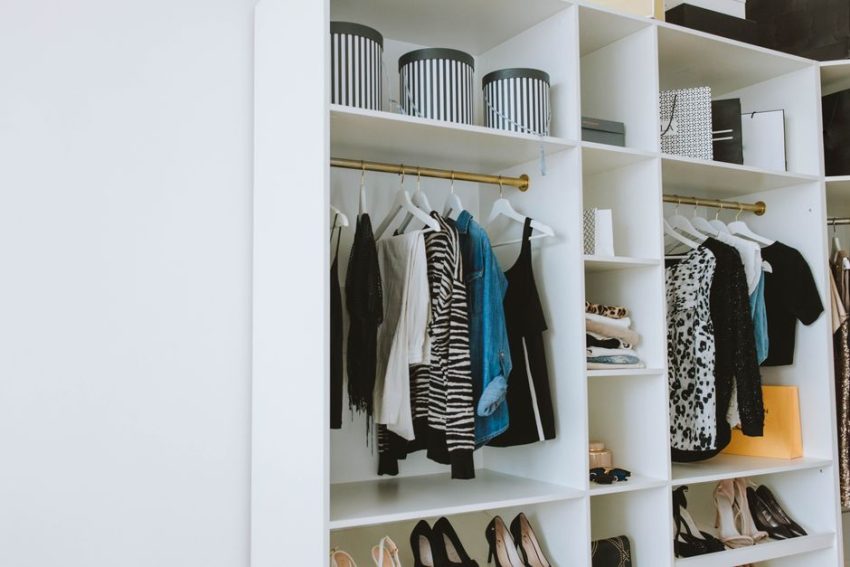
The common misconception is that February is too early to order wedding clothes for a spring ceremony. It is not. February is the useful middle point: the wedding date is close enough to confirm the weather pattern and venue, but early enough to fix a bad fit, replace delayed items, and book alterations without panic.
I have found that the best spring wedding wardrobe is not one perfect dress. It is a small system built around temperature changes, movement, photographs, and the five-minute problems that ruin an otherwise beautiful outfit.
What belongs on a February order list?
Order anything with a long lead time
February is the right month to order the main gown, made-to-measure pieces, shoes that need breaking in, and any item that must be altered. These pieces control the rest of the outfit, so they need room for shipping and at least one correction.
Wait on weather-sensitive extras
Do not rush to buy a heavy coat, opaque tights, or a thick cashmere wrap before you know whether the ceremony is indoors, outdoors, or split between the two. Spring weather can move from 48°F in the morning to 68°F in the afternoon. A beautiful item that never leaves its garment bag is wasted money.
| Wardrobe item | February action | Why this timing works |
|---|---|---|
| Main ceremony outfit | Order now | Allows shipping, fitting, and alterations |
| Wedding shoes | Order now | Heel height affects the hem and comfort testing takes time |
| Undergarments | Buy after the dress fitting | Neckline, fabric, and support needs must match the gown |
| Wrap or jacket | Choose a versatile layer now; finalize weight later | Spring temperatures are hard to predict |
| Jewelry and hair accessories | Order after the neckline is fixed | Prevents visual clutter around the face and bodice |
| Reception shoes | Order in February if different from ceremony shoes | Gives time to test dancing and floor grip |
My firm rule is simple: order the pieces that affect fit first. Decorative pieces can wait. A rushed veil is annoying; a rushed hem is visible in every photograph.
How should brides build a spring wedding outfit in layers?
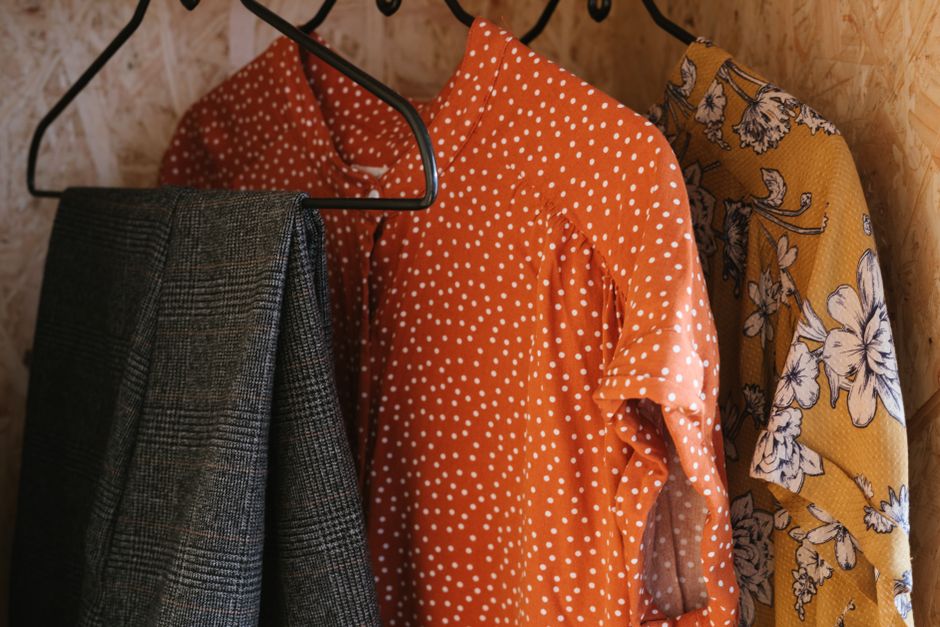
Start with the temperature range, not the color palette
Spring dressing fails when brides plan for the prettiest forecast instead of the full day. Write down the coldest likely temperature at arrival, the warmest temperature during photographs, and the amount of time guests will spend outside. A garden ceremony at 2 p.m. needs a different wardrobe from a 7 p.m. city ceremony with a short walk between venues.
The base layer should stay comfortable under the dress. Look for smooth, low-bulk fabric and avoid anything with a thick waistband, textured lace, or a seam that presses against the body. Test the full combination by sitting for 30 minutes. Wedding clothes feel different after standing, hugging, eating, and sitting through speeches.
Use one removable layer instead of several competing layers
A single layer usually photographs better than a cardigan, scarf, bolero, and necklace all fighting for attention. For a sleeveless gown, a silk or wool-blend wrap works well when the ceremony is mild. For an outdoor evening event, a cropped jacket with a clean shoulder line gives more warmth and stays in place during photographs.
The layer must also match the dress structure. A loose wrap suits a column or slip dress. A fitted jacket works better with a fuller skirt because it keeps the waist visible. Do not buy a dramatic cape simply because it looks good online. If it covers the neckline, sleeves, or back detail that made you choose the dress, it is solving the weather problem by hiding the outfit.
Plan for movement and maintenance
Spring ceremonies often include grass, stone paths, damp pavement, and wind. Check the distance between the car, ceremony space, reception room, and restrooms. A gown with a long train may need a bustle. A delicate shoe may need a protective sole. A short reception dress may need pockets or a secure fastening for a phone and lipstick.
Pack a small clothing kit with fashion tape, a sewing needle, matching thread, stain wipes, blister patches, and a spare pair of earrings. These are cheap items, but they prevent a loose strap or muddy hem from turning into a major interruption.
Which mistakes make a spring wedding wardrobe expensive?
1. Ordering the dress before checking the alteration calendar
Ask the seamstress when she can take the first fitting, not only what the fitting will cost. A dress that arrives in February may need two or three appointments. Count backward from the wedding date and leave at least 10 days for final pressing and small repairs.
2. Choosing shoes for photographs instead of the whole day
Try the shoes on a hard floor, carpet, stairs, and an outdoor surface. Wear them for 45 minutes at home. If your feet hurt before the reception begins, the shoe is wrong. A lower block heel with a secure strap is my clear choice for outdoor ceremonies; it is safer on grass and easier to wear for six hours than a narrow stiletto.
3. Buying shapewear that changes the dress fit
Heavy compression can alter the waistline, flatten the bust, and create new lines under satin. Bring the exact undergarments you plan to wear to the fitting. Do not size down for extra control. If the garment makes breathing, sitting, or eating difficult, it has failed its basic job.
4. Ignoring the forecast until the week before
Check the usual temperature range one month before the wedding, then make the final layer decision seven to 10 days out. Have a rain plan that does not depend on guests lending you coats. A clear umbrella for photographs, garment bags for transport, and a covered route between buildings solve more problems than an expensive emergency outfit.
5. Treating the rehearsal dinner as an unrelated purchase
The rehearsal look should share at least one feature with the wedding wardrobe: the shoe color, jewelry metal, neckline shape, or a repeated fabric. This reduces shopping and makes the entire weekend feel planned. It does not need to look bridal.
What should a bride order in February, and what can wait?
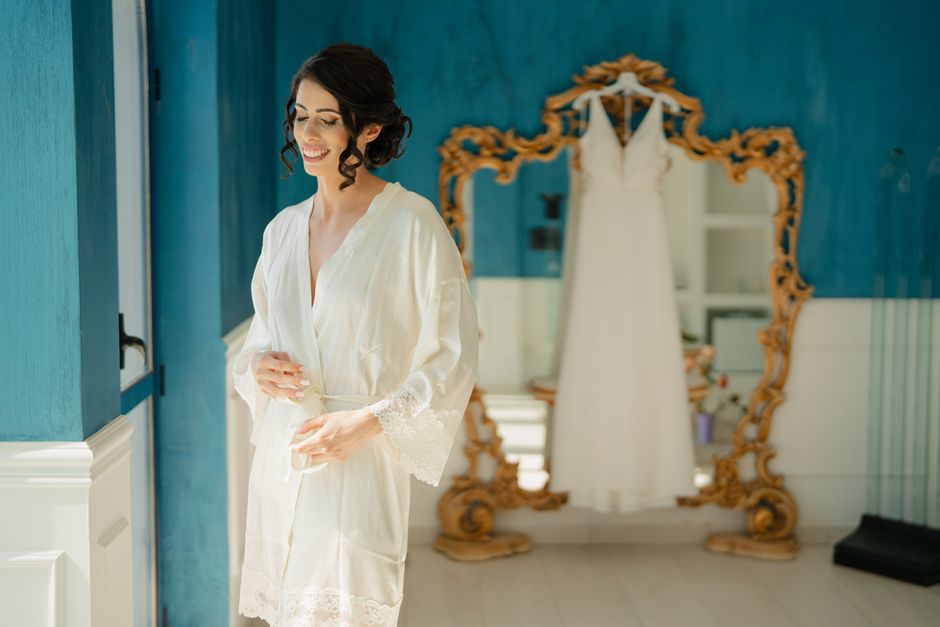
Should the main dress be ordered in February?
Yes, if the design has a made-to-order timeline or the dress will need custom alterations. For a lower-cost example, the Azazie Caity wedding dress has appeared around $169, while the Azazie Adelise has appeared around $439. Those prices make them useful reference points for different budgets, but the important February decision is the delivery and alteration schedule, not the number on the product page. My pick for a bride who wants budget room for tailoring is the Caity-style crepe silhouette because a clean fabric is easier to adjust than heavily beaded lace.
What works for a rehearsal dinner or second look?
A second look should be ordered only after the ceremony dress silhouette is settled. The Reformation Lilibeth Silk Dress has appeared around $328, and its lighter construction makes more sense for a warm dinner than a heavy satin gown. For a two-piece option, Reformation’s Aveline Two Piece has appeared around $378. I prefer the two-piece for brides who want to reuse the top or skirt after the wedding, but I would skip it for a venue with a strict formal dress code.
When should accessories be ordered?
Order shoes in February if they affect the hem. Wait on the veil and statement jewelry until the first dress fitting. A narrow neckline may need small earrings; an elaborate back may need a shorter veil. The best purchase is the one that supports the dress instead of competing with it. For most spring brides, one textured hair accessory and small drop earrings look more polished than a full matching set.
These product examples are useful benchmarks, not a reason to buy immediately. Check the return policy, production time, final-sale language, and measurement chart before paying. A lower price is not a saving if the item cannot arrive in time or cannot be altered.
My February verdict: order fit first, warmth second
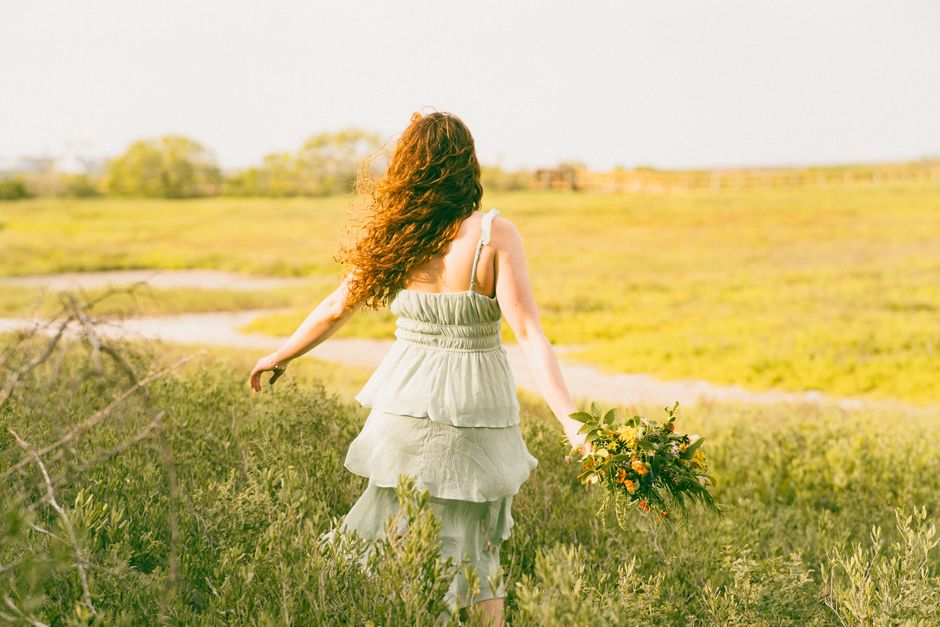
The strongest plan for most spring brides
Order the gown, shoes, and any made-to-order piece in February; delay the weather-specific layer until the forecast becomes useful. That order protects the three things that are hardest to replace: correct proportions, comfortable shoes, and available alteration appointments.
I would not buy a full cold-weather bridal coat just because the ceremony is in March or April. Buy one flexible wrap or jacket, then add a backup plan through the venue. I would also avoid ordering a second dress before confirming what the first dress needs. Many brides discover that their reception outfit budget is better spent on a bustle, hem adjustment, or shoes they can actually wear.
Quick comparison for the final February check
| Decision | Best choice | Reason |
|---|---|---|
| Dress with a long production timeline | Order in February | Protects delivery and fitting time |
| Outdoor ceremony footwear | Block heel or secure flat | Handles grass, stone, and long wear better |
| Unpredictable temperature | Light removable layer | Adapts without hiding the dress |
| Statement jewelry | Wait until the first fitting | Matches the actual neckline and hairstyle |
| Second wedding outfit | Buy after the ceremony look is fixed | Prevents duplicate silhouettes and overspending |
February is not the month to finish every detail. It is the month to remove the risks that take longest to fix. Once the fit, shoes, and basic layer are under control, the remaining choices become much easier.