7 Chic Spring Outfit Ideas for Mild Weather Without Jeans
You know the weather: 58 degrees in the morning, 72 by lunch, and a breeze that makes bare arms a gamble. Jeans are easy, but they can feel heavy and predictable. These seven spring outfit ideas use breathable layers, fluid skirts, polished trousers, and tailored shorts to handle mild weather without sacrificing comfort.
Seven non-jean spring outfits at a glance
The strongest outfits for mild spring weather share one formula: a light base, one useful layer, and shoes that can handle walking. The table below gives you a fast starting point, then the later sections explain how to adjust each look for temperature, setting, and personal style.
How to choose the right outfit
Start with the temperature at the time you will leave home, not the forecast high. A sleeveless outfit may look perfect at noon but fail during a cool commute. The best option is the one that still works after you remove the outer layer.
| Outfit | Base pieces | Best layer | Shoe choice | Best use |
|---|---|---|---|---|
| 1. Linen vest and trousers | Fitted vest, wide-leg trousers | Cropped cardigan | Loafers | Office or brunch |
| 2. Knit polo and midi skirt | Striped polo, satin skirt | Light trench | Ballet flats | Lunch date |
| 3. Shirt dress and cardigan | Cotton shirt dress | Fine-gauge cardigan | Ankle boots | Travel or errands |
| 4. Bermuda shorts and blazer | Tailored shorts, simple tank | Unlined blazer | Low-profile sneakers | Casual office |
| 5. Pleated trousers and knit | High-waist trousers, fitted sweater | Silk scarf | Slingbacks | Smart daytime events |
| 6. Poplin skirt and utility jacket | Cotton midi skirt, tank | Light utility jacket | Leather loafers | Weekend plans |
| 7. Slip skirt and cardigan | Silk skirt, fitted cardigan | Short trench | Mary Janes | Dinner or a wedding shower |
The best first pick
For the widest range of mild-weather plans, choose outfit one: a fitted linen vest with wide-leg trousers and loafers. The vest looks sharper than a basic T-shirt, while the trousers allow more airflow than denim. Add a cardigan in the morning and carry it once the afternoon warms up.
The easiest answer for a busy spring day
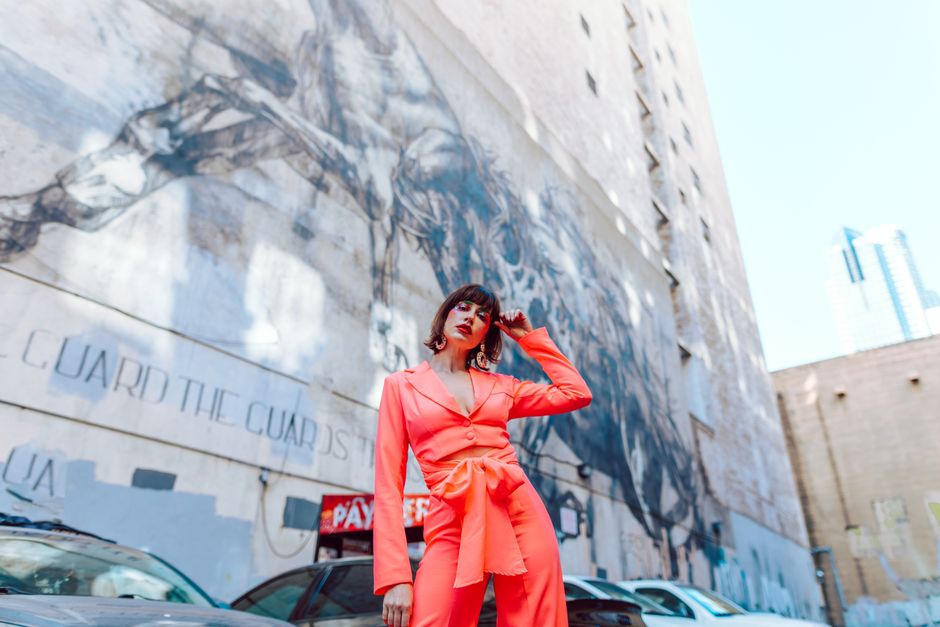
The shirt dress and cardigan combination is the best overall pick for a day that includes commuting, errands, and an unplanned coffee stop, because it creates a complete outfit from two pieces while still leaving room for temperature changes.
Why the shirt dress works
Choose a cotton or cotton-poplin shirt dress that hits just below the knee or at mid-calf. A 28- to 32-inch skirt length from the natural waist usually feels polished without dragging through wet sidewalks. Look for a waist tie or a straight cut with side slits. The dress should skim your body rather than cling to it. Roll the sleeves twice, open the top two buttons, and add a thin belt if the shape feels too loose.
How to make it feel styled
Use a cardigan that ends near the waist or high hip. A long cardigan over a long dress can hide the silhouette and make the outfit look sleepy. Finish with ankle boots in early spring, then switch to ballet flats or clean sneakers when the ground is dry. This look wins because it solves the morning-to-afternoon problem with one removable layer, not a pile of bulky clothing.
How to build breathable layers that still look polished
Mild weather is not simply warm weather in lighter colors. It is a constant shift between sun, shade, wind, and indoor heating. A successful outfit manages those changes through fabric weight and proportion. Start with a breathable base, add one insulating layer, and keep the final piece easy to remove.
Start with fabric, not color
Linen, cotton poplin, washable silk, and fine merino all work well, but each handles the day differently. Linen releases heat quickly and develops a relaxed texture, so it is ideal for the vest-and-trouser look or the poplin-skirt outfit. Cotton poplin feels crisper and resists cling, which makes it useful for a shirt dress. Washable silk works best when you want movement and a smooth finish, but it needs a cardigan or jacket in wind because the fabric offers little insulation.
For real wardrobe references, the Everlane The Linen Shirt is a 100% linen starting point for a loose third layer, while the UNIQLO Premium Linen Shirt offers another lightweight linen option. The Quince Washable Silk Skirt is a useful reference for a fluid midi silhouette in washable mulberry silk. These pieces do not need to appear in the final outfit; they show the fabric weights and shapes that make the formula work.
Control volume with one fitted piece
Wide trousers need a closer top. A full midi skirt looks cleaner with a fitted cardigan or tucked tank. Tailored Bermuda shorts need a blazer that follows the shoulder line instead of an oversized jacket that swallows the legs. This balance keeps the outfit intentional. The Madewell Harlow Wide-Leg Pants are a clear reference for the high-rise, loose-leg shape, while a COS A-line Midi Skirt shows how a structured skirt can create volume without looking fussy.
Keep your outer layer between 20 and 28 inches long for most of these outfits. That range usually lands at the waist or high hip, which protects the proportions of skirts and wide trousers. If you prefer a longer trench, keep the base outfit narrow: a fitted knit with a slip skirt or a straight shirt dress is easier to balance.
Six styling rules that prevent the outfits from looking random
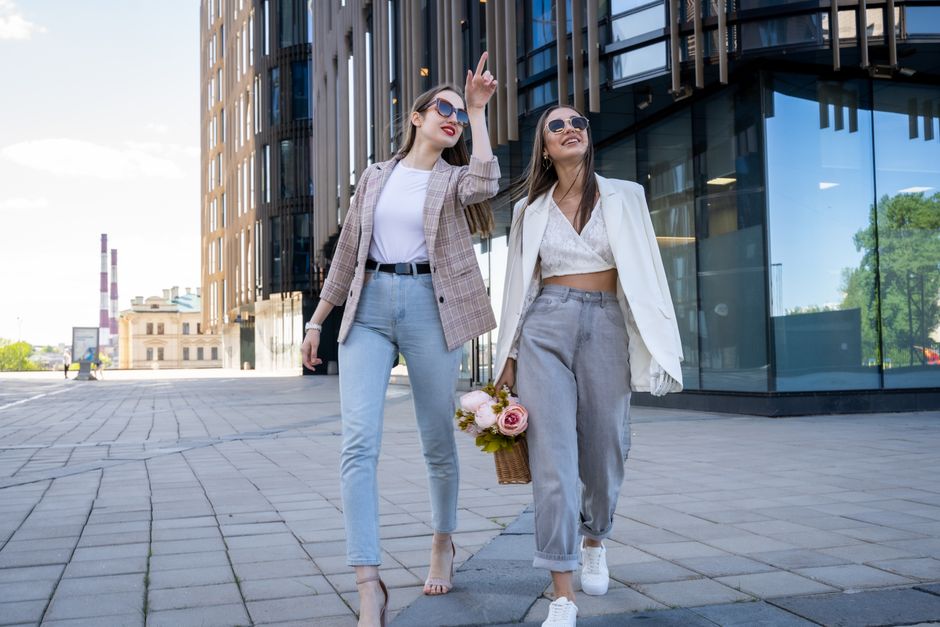
The difference between “I wore separate spring pieces” and “this outfit looks finished” usually comes down to proportion, repetition, and shoes. Use these rules as a quick check before leaving the house.
Use this quick styling order
- Pick one clear silhouette. Choose either a wide leg, a flowing skirt, or tailored shorts as the main shape. Do not make every piece oversized.
- Repeat one color twice. Brown loafers with a brown belt, or ivory trousers with an ivory cardigan, creates a quiet link between separate pieces.
- Keep the base layer simple. A white tank, fitted tee, or fine knit gives the more interesting skirt or jacket room to stand out.
- Match shoe weight to the hem. Chunkier loafers suit wide trousers, while slim Mary Janes work better with a fluid slip skirt.
- Leave breathing room at the neck. An open collar, square neckline, or simple scoop neck prevents layered outfits from feeling crowded.
- Use one accessory with structure. A medium leather tote, narrow belt, or small shoulder bag adds shape without turning the outfit into a costume.
- Check the sitting test. Sit down, cross your legs, and walk ten steps before committing to a short hem, slippery skirt, or tight waistband.
The mistake to avoid
Do not solve a cool morning by wearing a heavy sweater over a summer outfit. That creates heat at noon and bulk around the waist. A thin cardigan, unlined blazer, or lightweight jacket gives you more control and packs easily over a chair or into a tote.
My strongest picks for specific spring occasions
Choose the pleated-trouser outfit for polish, the tailored-shorts outfit for relaxed confidence, and the slip-skirt outfit for the most feminine finish. Those three looks cover most spring plans without making every outfit feel like a variation of the same uniform.
For work and daytime events
The high-waist pleated trouser with a fitted knit and slingbacks is the sharpest choice. Aim for trousers that break lightly over the shoe, with an inseam that reaches the top of the heel. A fine merino or cotton sweater keeps the top neat without trapping heat. Add a silk scarf tied at the neck or around the handle of a structured bag. For a more relaxed office, replace slingbacks with leather loafers.
The linen vest and wide-leg trouser outfit is the better choice for an office with a casual dress code. Keep the vest fitted through the ribs, then let the trousers skim away from the hip. This creates a clean line and avoids the “matching suit” effect.
For dates and social plans
The knit polo with a satin midi skirt has the best mix of ease and contrast. The sporty collar makes the shiny skirt feel less formal, while ballet flats keep the look comfortable on pavement. Pick a skirt with an elastic back or a flat front and side zipper. A waistband that twists or digs in will ruin an otherwise elegant outfit. The slip skirt and short cardigan feels dressier, so save it for dinner, a wedding shower, or an event where you want a softer silhouette.
Do not buy a satin skirt if you dislike cling or frequent steaming. A cotton poplin midi gives a similar swaying shape with less maintenance and handles daytime walking better. That is the smarter alternative for a spring wardrobe built around repeat wear.
Questions readers ask about spring outfits without jeans
What should I wear when it is warm in the afternoon but cold in the morning?
Wear a sleeveless or short-sleeve base with one light layer that can come off. The linen vest with trousers, shirt dress with cardigan, and poplin skirt with utility jacket all follow this rule. Avoid relying on a thick scarf as your only warm piece; it protects the neck but leaves the arms exposed. A cropped cardigan or unlined blazer gives better coverage and changes the shape of the outfit once removed.
Can I wear sneakers with a skirt in spring?
Yes, but choose a low-profile sneaker with a clean upper and a narrow sole. The tailored Bermuda shorts outfit works with simple sneakers because the blazer adds structure. With a slip skirt, a very bulky sneaker can make the hem look delicate by comparison. A slim white, cream, or soft gray sneaker keeps the contrast balanced.
Which outfit is the most versatile?
The shirt dress is the winner for maximum repeat use. Wear it alone with flats, over a tank with the buttons open, or under a cropped cardigan with ankle boots. If you want a two-piece wardrobe instead, buy wide-leg trousers and a fitted cardigan first. They can support the linen vest, striped polo, tank, and silk-skirt combinations across several weeks.
Jeans still have a place, but mild spring weather gives you better tools: airy trousers, crisp cotton, fluid silk, and layers that respond to the temperature. The next wave of spring style is moving toward clothes that feel lighter, work harder, and look composed without demanding a full outfit change.