Professional Interview Attire for Women: What Actually Works in 2026
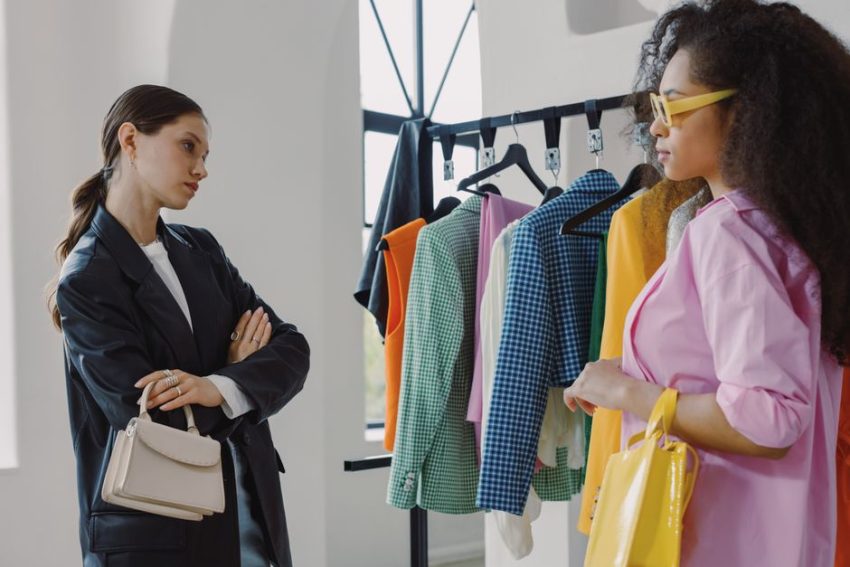
You have 48 hours before the interview. The outfit hanging in your closet looks reasonable — or it did until you tried it on this morning. Now you’re not sure. The blazer pulls slightly at the shoulders. The hem sits differently than you remembered. And you’re burning mental energy on clothes instead of preparing for the actual conversation.
That’s the real cost of a poorly chosen interview outfit: it stays in your head during the interview itself. This guide is specific — which pieces to own, which mistakes to avoid, and exactly how to dress for different industries, with real products and real prices.
Reading the Room: Interview Dress Code by Industry
The single biggest outfit mistake is dressing to a universal standard when industries have very different expectations. Finance doesn’t dress like a tech startup. A hospital administrator interview isn’t the same as an editorial assistant interview. The table below maps what each sector actually expects.
| Industry | Dress Level | Safe Outfit Choice | What to Skip |
|---|---|---|---|
| Finance, Law, Consulting | Business Formal | Tailored suit or structured sheath dress | Open-toe shoes, bold prints, unstructured fabrics |
| Healthcare, Government, Education | Business Casual | Blazer + tailored trousers or midi skirt | Anything overly trendy or casual |
| Tech, Startups | Smart Casual | Dark trousers + polished blouse, or a structured dress without a blazer | Full corporate suit — can read as tone-deaf to culture |
| Creative (Design, Advertising, Media) | Polished Creative | One statement piece, otherwise clean and minimal | Head-to-toe corporate look — signals poor culture fit |
| Retail, Hospitality | Neat Business Casual | Pressed blouse, dark trousers, clean footwear | Athleisure, overly casual shoes, visible wrinkles |
When the dress code says “business casual”
Business casual is the most misread phrase in interview prep. It does not mean jeans and a nice top. At an interview, it means tailored trousers or a midi skirt, a structured blouse or polished knit top, and closed-toe shoes. A blazer is optional but almost never wrong. The Banana Republic Logan Trouser ($89.99) in charcoal or navy sits on the cleaner end of business casual — pressed, straight-leg, professional without being stiff.
When they don’t tell you the dress code
Look at the company’s LinkedIn photos and any public event photography. If the team wears hoodies, wearing a blazer puts you one notch above — which is exactly right. If they wear blazers, a suit puts you in the correct register. When genuinely unsure, lean toward smart business casual: polished without being formal enough to make the interviewer feel underdressed.
Four Pieces That Cover Almost Every Interview Scenario
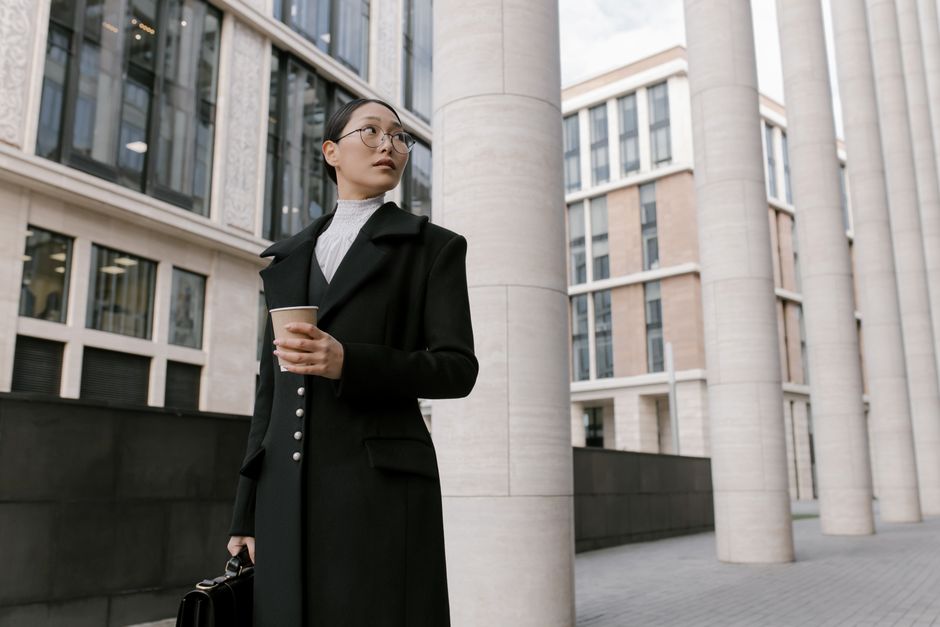
You don’t need a full wardrobe overhaul. These four items, owned in well-fitting versions, handle the majority of interview situations across different industries and dress codes.
- A blazer with a proper shoulder fit. The J.Crew Stretch Wool-Blend Blazer ($178) has a shaped waist without pulling across the back. The Quince Stretch Ponte Blazer ($79.90) is the budget alternative — structured enough for business casual, not so stiff it reads as a costume in a startup. Either one works over a dress, trousers, or dark jeans for a creative field.
- Tailored trousers with a clean silhouette. Ann Taylor’s The Ankle Pant ($79.50) fits a wide range of body types and comes in neutral colors that don’t compete with your face. The Everlane Italian Suit Pant ($130) is worth the step up if you’re interviewing in finance or consulting — the fabric drape reads immediately as quality.
- A polished dress that bridges formal and professional-creative. The M.M.LaFleur Katinka Dress ($165) is the specific recommendation here. It photographs well, resists wrinkles, and works with or without a blazer. Wear it alone for creative roles, add a blazer for finance or law.
- Shoes you’ve already broken in. A block heel pump or a clean leather loafer — both work across most industries. The mistake is wearing something new on interview day. If you bought heels for the occasion, wear them around your home for two evenings first. Nobody interviews well when their feet hurt.
A practical note: buy at least one piece in navy or charcoal rather than defaulting entirely to black. Black can read as harsh under daylight or artificial lighting, especially on video calls.
Why Fit Is the Whole Conversation
Price is not what makes an outfit look professional. Fit is. A $400 blazer that pulls across the back looks worse than a $40 blazer that sits clean at the shoulder. Hiring managers notice fit before they notice brand, color, or style — and they notice it without being able to name what they’re reacting to.
What good fit actually means for each piece
For a blazer: the shoulder seam lands exactly at the shoulder — not past it, not inside it. The front closes without pulling. For trousers: they sit comfortably at your natural waist or hip without a visible horizontal crease across the front, which means they’re too tight. The hem should just graze the top of your shoe. For a dress: you can sit, cross your legs, and stand without adjusting anything. If you have to think about it during the interview, it doesn’t fit right — and that distraction shows.
When to use a tailor
A single round of alterations — hemming trousers, taking in a blazer waist, adjusting a dress length — typically costs $20–$60 depending on your city. That’s less than the cost of returning and replacing a poorly fitting piece. For a significant interview, one alteration session is almost always worth it. The Uniqlo Smart Ankle Pants ($39.90) are a useful example: inexpensive, but they almost always need hemming. Post-alteration, they look significantly sharper than off-the-rack pieces at twice the price.
If you’re between sizes, size up and tailor down. Taking fabric in is straightforward. Adding it isn’t possible.
The Color Verdict
Navy is the most reliable interview color for women across industries. It reads as authoritative without the harshness that black can carry under certain lighting, and it holds up well on video calls. Charcoal and medium gray are close alternatives. Deep burgundy works in creative and tech roles. Black is fine but less forgiving — under bright overhead lighting or a webcam, it can wash out or read as severe depending on your complexion.
Avoid head-to-toe white (it reads as flat on camera), anything neon, and loud prints for finance or corporate roles. In creative fields, a single statement piece — a blazer in muted terracotta, for example — is actually an asset. It signals taste. Just keep everything else clean and simple around it.
The Mistake That Costs More Than You’d Expect
Overdressing for a startup is a genuine error. Walking into a 15-person tech company in a full corporate suit signals that you haven’t considered culture fit — which is often the first filter early-stage companies apply. A clean blazer over dark trousers or a structured dress is exactly right for those rooms. Leave the suit at home.
The reverse — underdressing for a law firm or financial institution — signals you didn’t take the interview seriously enough to do five minutes of research. Both mistakes are preventable. Neither is forgiven easily.
Specific Scenarios, Direct Answers
Can you wear pants instead of a skirt or dress?
Yes. Well-tailored trousers are just as professional as a skirt or dress in nearly every industry. The narrow exception: some highly conservative firms — certain traditional law firms, legacy financial institutions — still skew toward skirts or dresses for women in interview settings. If you’re unsure, look at how female employees appear in the firm’s official photography or LinkedIn profiles. For the vast majority of interviews, fitted trousers are completely appropriate and often more practical.
What if you can only buy one piece?
Buy the blazer. It can instantly elevate a plain blouse and dark trousers you already own. It works across industries. It photographs well on video calls. And unlike a full suit, it has a life beyond the interview. The Quince Stretch Ponte Blazer ($79.90) is the best single-purchase recommendation — it holds its shape, comes in navy and black, and is machine washable, which matters for repeat use.
What about jewelry and accessories?
Simple and minimal reads well across all industries. Stud earrings or small hoops. One ring. A watch if you own one. The goal is that accessories don’t register as a distinct memory after the interview — which means they’re doing their job. Avoid anything that makes noise when you move or catches light in a way that becomes distracting on a video call.
An outfit that makes you forget you’re wearing it is the one that lets you focus on what actually matters: the conversation.