Spring Outfit Ideas For Weekend Getaways: 7 Spring Outfit Ideas That Work for Weekend Getaways

Spring travelers often pack for one forecast and arrive in another. A sunny 68°F afternoon can turn into a 45°F morning, a windy ferry ride, or a wet restaurant walk after dark. The strongest weekend wardrobe uses repeatable layers, comfortable shoes, and color combinations that look intentional across several settings.
How to Build a Spring Getaway Outfit That Travels Well
Start with a three-layer system
Build each look from a breathable base, a flexible middle layer, and a weather-resistant outer layer. A cotton T-shirt handles warm afternoons, a fine knit adds insulation without bulk, and a cropped jacket or light trench protects the outfit from wind. This system solves the basic spring travel problem: temperature changes without requiring a completely new outfit every few hours.
Choose one neutral foundation, one dark contrast, and one accent shade. Navy, cream, and soft red look polished in a city. Olive, white, and tan suit a rural inn or coastal town. Keep the same color logic across tops, bottoms, and accessories so every item can work with at least two others.
Use proportions to make basics look styled
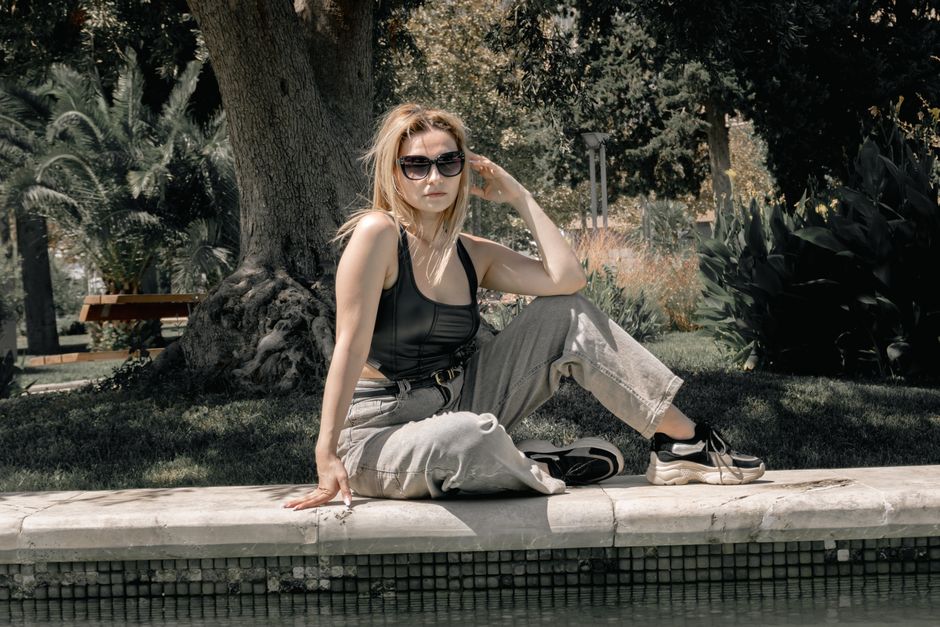
Pair a fitted top with wide-leg trousers, or balance an oversized shirt with a straight skirt or slim jeans. The contrast creates shape without uncomfortable tailoring. A half-tucked shirt, rolled sleeve, or visible belt can make a simple travel outfit feel finished.
The clearest recommendation is simple: pack layers with different weights, not seven unrelated outfits. You will stay comfortable, use more of what you bring, and avoid the bulky suitcase that limits movement.
What to Wear When Spring Weather Changes Fast
A practical temperature guide
| Expected conditions | Base outfit | Useful add-on | Travel risk to avoid |
|---|---|---|---|
| 45–55°F, cloudy | Long-sleeve top and jeans | Light cardigan or trench | Thin shoes with no socks |
| 56–65°F, mixed sun | T-shirt and midi skirt | Packable overshirt | Heavy sweater worn all day |
| 66–75°F, dry | Tank, trousers, or cotton dress | Light scarf for evening | Dark synthetic layers that trap heat |
| Rain or strong wind | Quick-dry base and covered shoes | Hooded shell or compact umbrella | Suede, open sandals, and floor-length hems |
Dress for the lowest temperature you will face while walking, then make the top layer removable. A jacket that works on a train platform may feel excessive in a heated museum, so look for pieces that fold over a chair or fit inside a medium tote. Spring travel also rewards quick-drying fabrics. Cotton feels pleasant, but it stays damp after rain; a cotton blend or lightweight technical fabric dries faster.
Choose fabrics by activity
For long transit days, use denim with a little stretch, merino, cotton jersey, or linen blends. For dinner, add texture through a knit polo, satin skirt, or crisp poplin shirt. Avoid combining several fabrics that wrinkle at the same rate, because the whole outfit can look tired after one train ride.
My verdict: plan around wind and evening chill first. A removable layer protects more outfits than a second pair of statement shoes.
The Denim-and-Knit Formula for a City Weekend
Why the combination works
High-rise straight jeans and a fine knit top form one of the most reliable spring formulas because the outfit has structure without looking formal. The jeans handle walking, while the knit adds color and softness. Add a leather belt, small shoulder bag, and low-profile sneaker for daytime. Swap the sneaker for a pointed flat and add earrings before dinner.
The Levi’s Ribcage Straight Ankle is a useful example at a $110 original price, with a super-high rise of about 12 inches and ankle-length proportions. It works best with a tucked tee or shorter cardigan. For a lower-cost cotton base, the Uniqlo AIRism Cotton Crew Neck T-Shirt is often listed around $19.90 and gives the outfit a clean, light layer. Prices can change by color and season, so treat those figures as reference points rather than promises.
Make one formula look less repetitive
Change the top silhouette instead of changing the whole outfit. Wear a striped knit on day one, a white poplin shirt on day two, and a fitted tank beneath an open cardigan on day three. A silk scarf tied to the bag creates another visual shift without taking much room.
For footwear, the Veja Campo is a recognizable white leather sneaker with a roughly $175 retail price. It looks sharper than a bulky running shoe but still suits museum walks and casual cafés. Choose it only when the forecast is dry; leather sneakers are a poor choice for muddy trails or persistent rain.
Where this look fails
Very rigid jeans can become uncomfortable during a six-hour travel day, and cropped hems expose ankles in cold wind. Test the seated fit before packing. If the waistband digs in or the denim restricts stairs, choose relaxed trousers instead.
Seven Outfit Formulas to Pack for Different Plans
Use one formula per travel moment
- Train or plane outfit: Stretch trousers, a fitted tee, a soft cardigan, and slip-on sneakers. Keep the cardigan in a reachable tote pocket.
- Old-town walking look: Straight-leg jeans, a striped Breton top, a light trench, and cushioned sneakers.
- Garden or vineyard look: A midi dress, cropped denim jacket, flat sandals if the ground is dry, and a crossbody bag.
- Rainy market outfit: Ankle trousers, a quick-dry shirt, a hooded shell, and water-resistant walking shoes.
- Casual dinner outfit: Satin midi skirt, fine knit sweater, low block heel, and a small shoulder bag.
- Coastal weekend look: Wide-leg linen-blend pants, a ribbed tank, an overshirt, and canvas sneakers.
- Return-trip outfit: The cleanest base top, relaxed jeans, a scarf, and the most comfortable covered shoes.
These formulas share a neutral bottom, two washable tops, and one layer that changes the mood. That is the point. A getaway wardrobe should create variety through styling, not through seven separate clothing identities.
Pick the strongest two first
Start with the walking look and the dinner look. If those two outfits fit the destination, build the remaining five around their shoes and colors. This order prevents overpacking for imaginary events.
Can One Dress Work for Day Trips and Dinner?
What dress length is easiest to style?
Yes, a knee-length or midi dress can cover two plans when the fabric is not too delicate and the shape is easy to layer. Wear it with sneakers and a denim jacket during the day, then add a belt, earrings, and a compact cardigan for dinner. A printed dress needs fewer accessories; a solid navy, black, or olive dress gives you more freedom to change the styling.
How do you make a dress travel-friendly?
Choose a fabric that tolerates folding and does not cling to every layer. A cotton-modal jersey, washable knit, or linen blend usually performs better than thin satin during transit. Fold it around a soft T-shirt rather than pressing it into a tight cube. A small spray bottle of water can relax light creases in a hotel bathroom.
When should you skip the dress?
Skip it for a hiking-heavy itinerary, cold locations with strong wind, or destinations where you will sit on rough outdoor surfaces. Trousers offer better range of motion and warmth. My pick for a mixed city itinerary is a solid midi dress with a washable knit layer because it gives the most outfit changes from one main garment.
Which Shoes and Layers Prevent a Bad Travel Day?
The comfort test that matters
Do not judge a travel shoe by standing still in a bedroom. Walk in it for 30 minutes, climb stairs, and wear the socks you will use on the trip. Check for heel slip, toe pressure, and rubbing along the little toe. A shoe that feels fine for ten minutes can become a serious problem after 15,000 steps.
Bring one walking shoe and one lighter evening option only when the second pair serves a clear purpose. The Vans Old Skool, usually priced near $75, has a familiar low-top shape and works with jeans, skirts, and casual dresses. It is not a waterproof hiking shoe, and its flat sole may not suit travelers who need strong arch support. The right choice is the shoe that matches the actual ground, distance, and weather.
Common mistakes to avoid
- Taking brand-new shoes on the trip.
- Packing a jacket that cannot close over your thickest layer.
- Choosing white trousers for a rainy forecast.
- Bringing only cropped tops when the destination is chilly.
- Using a tiny bag that cannot hold sunglasses, a phone, and a light scarf.
For cold evenings, the Patagonia Nano Puff Jacket is a compact example of a synthetic insulated layer, with a listed price around $239 and a design made for light warmth without the volume of a heavy coat. It is a smart choice for outdoor-heavy travel, but excessive for a mild resort weekend. Pack it only when the weather and activities justify the space.
How to Pack Seven Spring Looks in a Carry-On
Use the five-piece core
Choose two bottoms, three tops, one dress, one warm layer, one weather layer, and two pairs of shoes. That sounds like more than five pieces, but the core idea is to limit duplicates: one dark bottom, one light bottom, one fitted top, one relaxed top, and one polished top. Add accessories only after every clothing item has at least two combinations.
Roll jersey and knit pieces, fold structured shirts flat, and place shoes in thin bags along the suitcase edges. Wear the largest shoe and bulkiest layer in transit. Keep one complete change of clothes in your personal bag in case checked luggage is delayed or a drink spills during the journey.
Build a simple packing chart
| Item | Quantity | Jobs it performs |
|---|---|---|
| Bottoms | 2 | Walking, travel, dinner, casual sightseeing |
| Tops | 3 | Warm day, cool morning, polished evening |
| Dress | 1 | Lunch, gallery, dinner, warm-weather walking |
| Layers | 2 | Wind, rain, evening warmth |
| Shoes | 2 pairs | Long walks and dressier plans |
The single most important takeaway is to pack a small color-coordinated wardrobe built around layers, walking comfort, and outfits that can change roles across the weekend.