Supreme vs. Palace: Choose the Right Streetwear Fit

You buy a hyped hoodie, put it on once, and spot the problem immediately: the body is too wide, the sleeves bunch at your wrists, or the logo takes over every outfit. The mistake usually starts before checkout. You chose the label first and thought about your wardrobe second.
Start with the outfit problem, not the logo
When your hoodie looks expensive but wears badly
High-end streetwear solves a specific clothing problem: it gives casual basics a strong visual identity without requiring a full designer outfit. The danger is paying for recognition instead of wearability. A loud chest graphic may look excellent in a product photo but clash with tailored trousers, a wedding-weekend travel outfit, or the neutral layers already hanging in your closet.
Check three things before choosing a label: the width across your shoulders, the length over your waistband, and the amount of graphic space on the front and back. A relaxed hoodie should still leave room for movement. It should not swallow your shoes or make every outfit look like merchandise.
The two-minute decision
Choose the brand with the cleaner visual language if you want one hoodie to work with denim, wool trousers, and plain outerwear. Choose the brand with the more playful graphic language if your wardrobe already includes loose cargos, bright sneakers, and printed layers. This decision gives you a useful starting point before resale value, collaborations, or drop-day excitement enter the picture.
Best first move: photograph three outfits you already wear, then ask which logo would improve at least two of them. If the answer is neither, save your money for a better-fitting blank sweatshirt.
Supreme vs. Palace: what changes on the body?
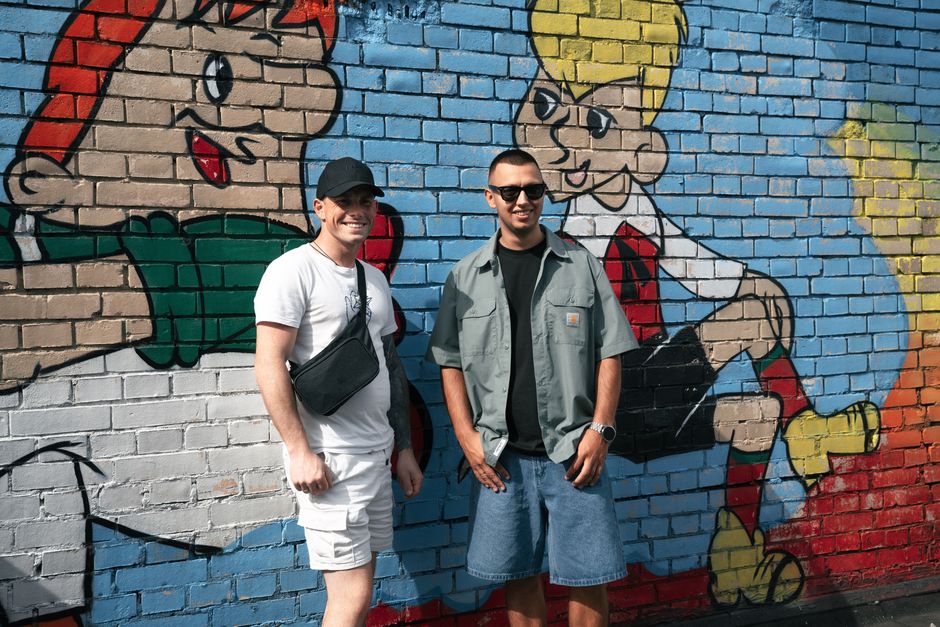
The two labels sit in the same skatewear conversation, but they create different outfit energy. Supreme usually reads sharper and more instantly recognizable. Palace often feels more graphic, cheeky, and London-skate influenced. The following comparison is a practical filter, not a ranking of cultural importance.
| Decision point | Supreme | Palace |
|---|---|---|
| Visual signal | Direct logo impact, often centered or highly recognizable | Tri-Ferg graphics, illustrated motifs, and louder seasonal artwork |
| Useful hoodie example | Box Logo Hooded Sweatshirt, recent retail reference around $168 | Tri-Ferg Hood, recent European retail reference around €158 |
| Best styling base | Plain denim, chore coats, clean sneakers | Loose trousers, technical jackets, skate shoes |
| Fit decision | Buy for the exact shoulder and body measurements | Allow extra room if layering over a tee or flannel |
| Main buying risk | Paying resale prices for a simple logo hoodie | Choosing a busy graphic that limits repeat wear |
Pick Supreme for controlled contrast
Supreme is the better choice when you want one statement piece inside a restrained outfit. A black or heather-gray Box Logo Hooded Sweatshirt can anchor straight-leg jeans, a wool overcoat, and low-profile sneakers. The logo does most of the work, so keep the rest of the look quiet.
Pick Palace for visual movement
Palace wins when you enjoy graphics that feel less formal and more scene-driven. A Tri-Ferg Hood works with roomy cargos, track pants, or a nylon shell. It has more personality before you add accessories, so avoid stacking it with several competing logos.
Why streetwear brands cost more than blank basics
A $50 blank hoodie and a $168 branded hoodie may use similar broad materials, but the price difference is not explained by cotton alone. The category exists because clothing can operate as a social signal, a design object, and a memory of a specific scene. You are paying for the cut, artwork, release system, retail experience, and the meaning attached to the label.
The real value sits in the full system
Streetwear brands build value through repeated visual codes. A familiar logo tells people where the garment sits culturally before they inspect the fabric. Seasonal graphics add a timestamp, while limited releases create a reason to act now. Collaborations bring another layer: the garment connects two audiences, which can increase demand even when the base sweatshirt stays ordinary.
That system can be worthwhile when the piece earns regular wear. A hoodie worn twice is expensive at any price. A hoodie worn every week across three winters may become one of the more efficient pieces in your closet, especially if the fabric keeps its shape and the graphic does not crack after a few washes.
Scarcity can make a weak purchase look smart
The biggest trap is confusing difficulty with quality. A sold-out item is not automatically better made. Resale prices can also hide fees, shipping, authentication costs, and the risk of receiving a garment with stretched cuffs or fading. For a first purchase, set a hard ceiling before release day. If the official price disappears, wait for a less famous colorway or buy a non-logo layer from a reliable alternative.
Clear verdict: pay a premium only when the garment solves both a styling need and a fit need. If it only proves that you found a rare drop, the wardrobe has gained very little.
How to choose the right size and avoid buyer mistakes
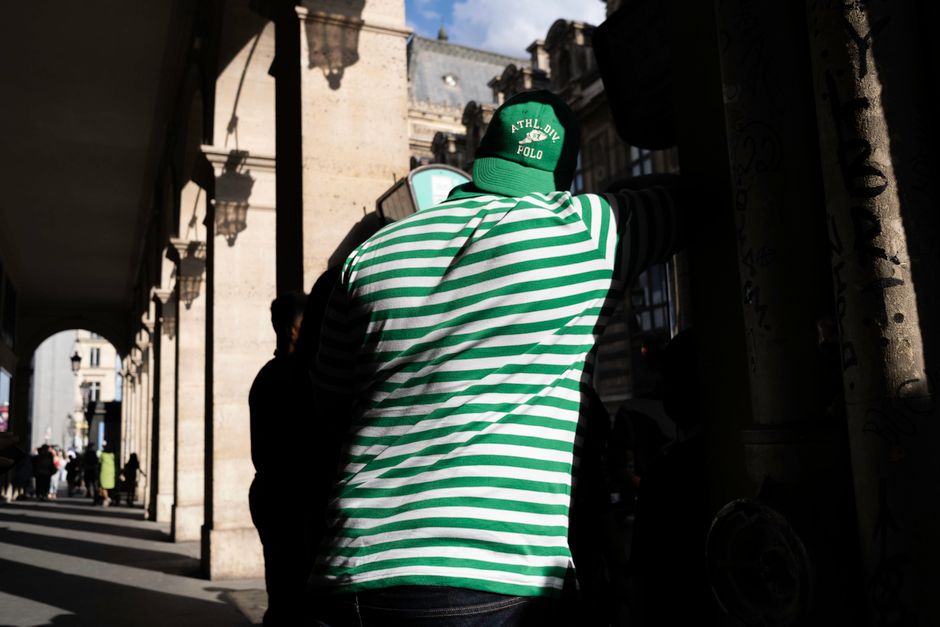
Use measurements, not the size printed on another hoodie. Supreme and Palace release different cuts across seasons, and a medium in one sweatshirt may not match a medium in another. Follow this four-step check before buying.
- Measure a hoodie you already like. Lay it flat and record pit-to-pit width, shoulder width, sleeve length, and back length. Use inches or centimeters consistently.
- Compare the garment, not your body. A hoodie chart describes the finished garment. Add about 2 to 4 inches of ease over your chest for a comfortable casual fit, depending on how thick your base layer is.
- Check the intended layer. If you plan to wear the hoodie under a jacket, avoid sizing up twice. Extra fabric bunches at the neck and creates bulk at the elbows. If it will sit over a flannel, one size up may make more sense.
- Inspect the return rules and seller. Official retail is the safest route. For resale, ask for neck-tag photos, wash-label photos, close-ups of the print, and measurements of the actual garment. Do not trust a stock image alone.
Common fit failures
The most common mistake is buying a larger size to imitate a skate fit. Oversized only looks intentional when the sleeves, hem, trousers, and shoes balance each other. Another mistake is ignoring shrinkage. Wash fleece cold, turn it inside out, and air-dry it when preserving the original shape matters.
When not to buy either hoodie
Skip both labels if you need a low-maintenance uniform, workwear durability, or a logo-free layer for frequent smart-casual outfits. A plain heavyweight sweatshirt will cost less and blend into more settings. Brand value matters only when the visual identity adds something you will actually use.
Which label fits your wardrobe?
Is Supreme better for a minimal wardrobe?
Yes. Choose the Supreme Box Logo Hooded Sweatshirt when your closet is built around black denim, white sneakers, overshirts, and simple coats. It gives a plain outfit a focal point without requiring several extra pieces. The tradeoff is visibility: the logo is familiar, so the garment may feel too obvious if you prefer subtle clothing.
Is Palace better for expressive casual outfits?
Yes. Choose the Palace Tri-Ferg Hood when you like wide-leg trousers, color-blocked jackets, and graphic sneakers. Its visual language supports an outfit with more movement and humor. The tradeoff is repeatability. A bright seasonal graphic may look great on Saturday but offer fewer options for work, travel, or formal family events.
What is the best alternative to both?
For a quieter skatewear wardrobe, the Carhartt WIP Detroit Jacket is the stronger alternative. Its workwear shape can handle denim, chinos, and knitwear without a large chest logo, and recent retail examples often sit around $199. Choose it when you want structure and daily usefulness rather than drop culture. For most people building a small wardrobe, that is the smarter first purchase.
The right label is the one that fills a visible gap. Supreme is the better controlled statement, Palace is the better graphic statement, and Carhartt WIP is the better utility layer.
The clear buy: Supreme for restraint, Palace for personality

My pick for most first-time buyers is Supreme in a neutral color. The Box Logo Hooded Sweatshirt is easier to place inside an existing wardrobe, and a recent $168 retail reference gives you a clear ceiling before resale markups. Choose Palace instead when the point of the outfit is the graphic itself and you already have simple trousers and outerwear to support it.
Build the outfit around one signal
With Supreme, use straight denim, a plain jacket, and one clean sneaker. With Palace, repeat one color from the Tri-Ferg graphic in your trousers, cap, or shoes, then stop adding logos. This keeps the outfit deliberate instead of crowded.
Make the purchase earn its place
Before checkout, name five occasions for the garment: weekend errands, travel, dinner, a concert, and a casual gathering. If you cannot create five realistic outfits, the item is probably a collection piece rather than a useful wardrobe purchase. That is fine, but price it as a hobby expense.
Supreme and Palace will keep changing their graphics, collaborations, and release tactics. The lasting advantage belongs to the buyer who can separate a strong garment from a loud moment and choose the piece that still works after the drop has passed.