30-Piece Capsule Wardrobe: A Step-by-Step Plan

A useful capsule wardrobe is not a pile of beige basics. It is a small, planned set of clothes that creates enough outfits for work, weekends, weather changes, and dressed-up plans. The 30-piece limit forces every item to earn its space.
Start With a 30-Piece Wardrobe Audit
Begin with the clothes you already wear. Do not shop first. Pull everything from your closet and sort it into four groups: wear weekly, wear sometimes, repair or alter, and never wear. The last group leaves immediately. A capsule wardrobe cannot work when it starts with guilt purchases and fantasy outfits.
For this guide, the 30 pieces include clothing, outer layers, and shoes. Underwear, sleepwear, workout clothing, jewelry, bags, and weather-specific gear sit outside the count because they serve separate jobs. If you need formalwear for work or frequent weddings, replace a casual slot instead of quietly expanding the total.
| Category | Pieces | What to include |
|---|---|---|
| Tops | 8 | Four everyday tops, two polished tops, and two seasonal options |
| Bottoms | 5 | Two trousers, two jeans or casual bottoms, and one skirt or short |
| Dresses or jumpsuits | 3 | Two casual choices and one dressier option |
| Layers | 6 | Cardigans, sweaters, blazers, denim jackets, or light coats |
| Shoes | 4 | Everyday sneakers, flats or loafers, boots, and occasion shoes |
| Statement or occasion pieces | 2 | Items with stronger color, print, texture, or formal value |
| Total | 30 | A complete working wardrobe |
Keep the clothes that already prove themselves
A garment earns a place when you have worn it at least three times in the past season, it fits your current body, and it works with at least three other pieces. A perfect wool coat that never leaves the closet is not more useful than a plain jacket you wear twice a week. Track real behavior, not the version of yourself you hope to become.
Remove the closet bottlenecks
Look for repeated problems. Five black tops and no comfortable trousers create a styling bottleneck. Three dresses that require special bras, dry cleaning, or uncomfortable shoes create another. Your first shopping list should solve those gaps, not add another attractive item in the category you already overbuy.
Choose a Color Palette That Makes Outfits Easy

Use two base colors
The best palette has two reliable base colors, such as black and cream, navy and white, or brown and denim, because every major item can share the same visual foundation and reduce the number of separate outfit decisions you make each morning.
Add one accent and one metal
Choose one accent color that you genuinely wear, then repeat it in two or three places, while a consistent metal finish for jewelry and hardware keeps the wardrobe looking deliberate instead of random.
Test the palette before buying
Lay your existing clothes on the bed and make ten outfits using only the proposed colors; if a new piece works with fewer than three outfits, skip it, because a capsule wardrobe succeeds through repeatable combinations rather than isolated moments.
Buy the Core Pieces in the Right Order
Buy fit before fabric and function before novelty. The most expensive mistake is purchasing beautiful pieces that do not solve your daily dressing problems. Build from the bottom up: one dependable bottom, one everyday top, one layer, and one shoe. Then repeat the pattern until your closet covers your week.
Start with bottoms that set the silhouette
Choose two bottoms first: one dark and one light or medium. Straight-leg jeans are easier to style across seasons than extreme skinny or oversized cuts. The Levi’s 501 Original is a useful reference point: its classic version uses 100% cotton, non-stretch denim, a button fly, and a straight leg, with a regular price commonly listed around $79.50 in the US. Choose it only if you like a firm, structured fit. If you need stretch or a softer waistband, buy a different cut instead. The clear verdict: a straight-leg dark jean is the strongest first bottom for a mixed casual wardrobe, but the 501 is not the right choice for people who dislike non-stretch denim.
Add tops and layers that can cross categories
A plain tee should work under a blazer, beside jeans, and beneath a cardigan. The UNIQLO Supima Cotton T-Shirt is a sensible budget foundation because the product uses 100% cotton, offers a crew neck, and appears in a wide size range; current US listings have placed it around $19.90, though sale pricing changes. Pick white, black, navy, or gray before buying a bright shade. For a polished knit, the COS Merino Wool Crew-Neck Sweater offers a regular fit, machine-washable care, and 100% merino wool, with a listed regular price around $120. It is the better choice for a neat office-to-dinner layer; avoid it if you will not follow the care instructions or if wool irritates your skin.
Finish with shoes that cover real distances
One everyday shoe should handle walking, commuting, and casual dinners. The Everlane Day Glove is a leather flat listed around $148 and offered in half sizes from 5 to 11. It makes sense for people who want a polished flat with broad outfit use. It is a poor buy if you need arch support, live in heavy rain, or walk several miles daily without testing the fit first. Spend more on the item that affects comfort most. For most wardrobes, that means shoes, not another statement top.
Build 30 Outfits Before You Buy More
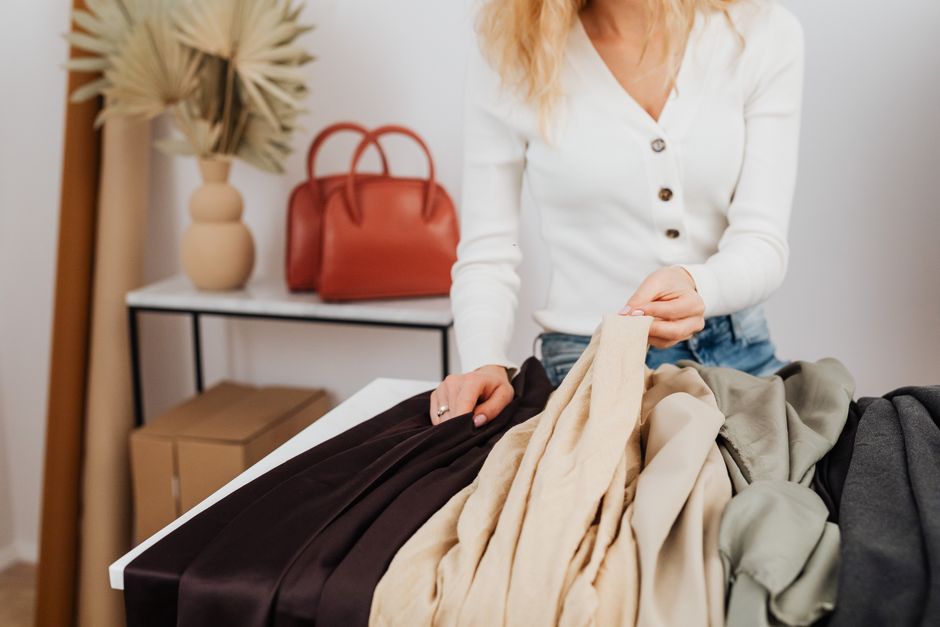
Do not judge a capsule by counting hangers. Judge it by counting outfits you would actually wear. Use this test before adding the final pieces:
- Choose five daily situations: work, casual errands, dinner, travel, and a dressier event.
- Make two outfits for each situation using only the clothes already selected.
- Change one variable at a time: shoes, layer, top, or accessory. This shows which pieces create real variety.
- Photograph the outfits in natural light. Your memory will overestimate how many combinations look good together.
- Mark each outfit as comfortable, acceptable, or unrealistic. Delete the unrealistic looks.
- Check weather coverage. You need a warm layer, a rain-friendly outer layer, and shoes that work on the surfaces you walk on.
- Check laundry timing. If you wash clothes once a week, two everyday tops are not enough. Add washable basics before adding another blazer.
- Check occasion coverage. If you attend weddings, interviews, or client meetings, reserve one polished outfit instead of pretending casual pieces will always work.
The target is not 30 pieces that make 900 theoretical combinations. The target is 12 to 20 dependable outfits that require little thought. A good capsule feels slightly boring on the hanger and surprisingly flexible on the body. That is the point.
Avoid the Five Capsule Wardrobe Traps
My strongest recommendation is to treat the 30-piece limit as a filter, not a personality test. Minimalism should make dressing easier, not punish you for liking color, prints, or a second pair of boots.
- Buying a whole new wardrobe: This wastes money and hides the real gaps. Start with an audit and replace only worn-out or missing items.
- Choosing a fantasy lifestyle: If you work from home, five office blazers will not create usefulness. Match the wardrobe to your actual week.
- Ignoring fit because the item is basic: A plain shirt with the wrong shoulder seam still looks wrong. Alter it, return it, or remove it.
- Using only neutrals: A wardrobe made entirely of gray, black, and beige can feel flat. Add one accent color and one memorable texture.
- Counting uncomfortable items as versatile: A shoe that works with ten outfits but hurts after twenty minutes has zero practical value.
There is also a common false economy: buying the cheapest possible version of every item. Save on simple tees when the fit works, but spend more on a coat, trousers, or shoes that receive heavy use. The opposite mistake is paying for premium fabric while neglecting care, alterations, and repeat wear. A $150 sweater worn twice is not a better value than a $45 sweater worn every week.
Capsule Wardrobe Questions That Matter
Should all 30 pieces match one another?
No. They should share enough color, proportion, or texture to combine without effort. A navy blazer, cream knit, dark jeans, and burgundy flats can work together even though burgundy is not a base color. Aim for compatibility, not visual uniformity.
Can a capsule wardrobe include trend pieces?
Yes, but keep trends in the two statement or occasion slots. A current shape can refresh the wardrobe without forcing you to replace the foundation every season. Do not build the entire capsule around a silhouette you may dislike six months later.
What should be removed first?
Remove items that fit only one outfit, require special care you never complete, or make you adjust your body all day. Also remove duplicates that perform the same job. Two excellent white shirts can be useful; seven nearly identical ones are usually a shopping habit.
How often should the 30 pieces change?
Review the wardrobe at the start of each season, but replace items only when they wear out, stop fitting, or no longer suit your routine. Rotate heavy coats and summer dresses in storage if space is tight. Keep the core palette stable and change one or two accent pieces when your style shifts.
The winning 30-piece capsule wardrobe is the smallest set that fits your real life, survives your laundry routine, and gives you outfits you want to wear tomorrow.