Finding Your Perfect Pair: A Local Shoe Shopping Blueprint
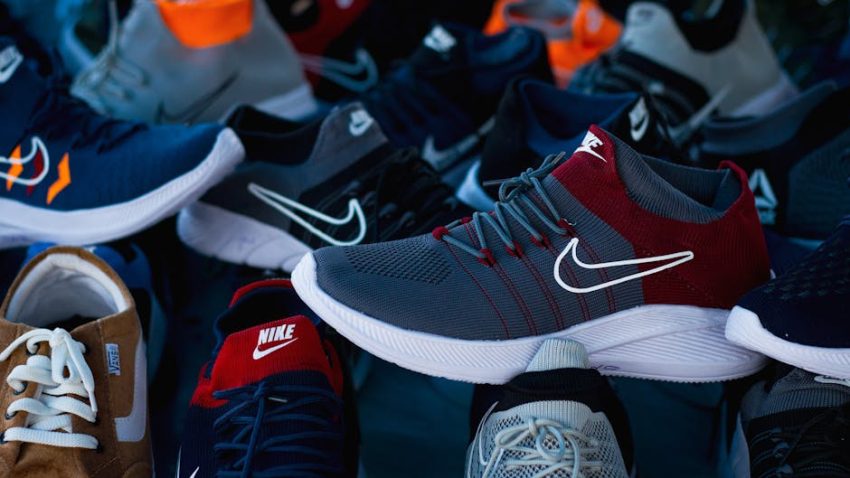
Looking for the best shoes for women near you? Skip the endless online scrolling. The right pair of shoes often requires a hands-on approach, especially if comfort and proper fit are non-negotiable. This guide walks you through the exact steps to find comfortable, supportive footwear in your local area. You’ll learn how to assess your needs, identify the best local stores, and confidently choose your next pair.
Decoding Your Footwear Needs Before You Shop
Before stepping into any store, take a moment to understand what your feet truly require. This isn’t about style yet; it’s about function. Knowing your foot type and typical activities will narrow down your search significantly, preventing wasted time and uncomfortable purchases.
Understanding Arch Type and Gait
Your arch type dictates the level of support you need. A quick home test helps. Wet your foot and step onto a piece of dark paper or cardboard. If you see a full impression of your foot, you likely have flat feet. A very narrow band connecting your heel and forefoot indicates high arches. Most people fall somewhere in the middle with a normal arch. Flat feet often need stability or motion-control shoes to prevent overpronation (foot rolling inward). High arches benefit from neutral shoes with good cushioning to absorb shock. Your gait—how your foot moves when you walk or run—also plays a role. Many specialty running stores offer free gait analysis, where they film you walking or running on a treadmill to observe your foot strike and movement patterns. This data is invaluable for selecting the correct shoe type, whether you need pronation control, supination support, or neutral cushioning. Brands like Brooks, ASICS, and Saucony engineer specific models for each of these gait patterns.
Identifying Your Primary Activity
Think about what you’ll primarily use these shoes for. Are you walking miles for exercise, standing all day at work, hitting the gym, or need something comfortable for casual wear? Each activity demands specific features. For rigorous walking or light jogging, look for shoes with good flexibility in the forefoot and ample cushioning, like the Skechers Go Walk series or certain New Balance models. If you’re on your feet for prolonged periods, a shoe with excellent arch support and stability is crucial; Dansko clogs or some Birkenstock styles are popular for this. Gym shoes need lateral support for quick movements, while casual sneakers prioritize general comfort and style. Avoid trying to make one pair of shoes do everything if your activities are diverse. A dedicated walking shoe will perform better for walks than an all-purpose trainer.
Considering Common Foot Concerns
Do you have bunions, plantar fasciitis, hammertoes, or neuropathy? These conditions require specific shoe characteristics. Shoes with wide toe boxes are essential for bunions and hammertoes, preventing painful pressure points. Look for brands known for accommodating widths, like New Balance or Drew. For plantar fasciitis, shoes with robust arch support and a firm heel counter are critical. Brands like Vionic or Hoka often get high marks from those with this condition. If you use custom orthotics, ensure any potential shoe has a removable insole to accommodate them. Always bring your orthotics when trying on new shoes. Discussing these concerns with a shoe fitter at a specialty store can lead to excellent, targeted recommendations, often saving you from pain and further injury down the line.
Navigating Local Shoe Store Types

Different types of shoe stores specialize in different things. Knowing where to go for your specific needs will save you time and ensure you get expert advice.
Specialty Running Stores
For athletic footwear, especially walking, running, or cross-training shoes, these are your best bet. Stores like Fleet Feet or local independent running shops offer personalized service that online retailers can’t match. They employ trained staff who understand gait analysis, foot mechanics, and the intricacies of different shoe technologies. They typically carry a wide range of performance brands, including Hoka, Brooks, ASICS, Saucony, and New Balance. Expect a thorough fitting process, often including a treadmill analysis. Prices for performance shoes at these stores typically range from $120 to $160. The value here is in the expert fitting, which drastically reduces the risk of injury and discomfort, making the investment worthwhile.
Comfort Footwear Boutiques
These stores focus on everyday comfort and orthopedic-friendly options. Think brands like Dansko, Birkenstock, Vionic, Alegria, and Merrell. They are ideal if you stand for long hours, have specific foot conditions, or simply prioritize all-day comfort for work or casual wear. Staff at these boutiques are usually knowledgeable about arch support, removable insoles for orthotics, and accommodating various foot widths and issues like bunions. While they may not offer gait analysis, they excel at finding shoes that provide therapeutic benefits and long-term wearability. Prices for comfort-oriented shoes generally fall between $80 and $150, varying by brand and material. This is where you find shoes that feel good from the first step.
Department Stores
Larger department stores like Macy’s, Nordstrom, or Dillard’s offer a broader selection of brands and styles, from casual sneakers to dressier options. You’ll find a mix of fashion-forward choices alongside comfortable staples from brands like Skechers, Clarks, and Cole Haan. The advantage here is convenience and variety. However, the level of personalized fitting expertise can vary greatly among staff members. Some stores might have dedicated shoe departments with knowledgeable associates, while others might offer less specialized assistance. It’s a good option if you know exactly what you’re looking for or if you need to browse a wide range of styles in one go. Prices vary widely, from $50 for casual options up to several hundred for premium dress shoes. Be prepared to be more self-reliant in assessing fit here, or seek out an experienced sales associate.
Essential Questions to Ask Your Shoe Fitter
Once you’re in the store and have found a few pairs that catch your eye, don’t be afraid to ask specific questions. Your fitter is there to help, and their expertise can be crucial in making the right choice.
"How Does This Shoe Support My Arch?"
This question gets straight to the core of foot health. A good fitter will explain the shoe’s arch support mechanism. They might point out specific technologies in the midsole, like a medial post for stability in pronators, or a more contoured footbed for high arches. For example, some brands integrate arch support directly into the sole design, while others rely on a more traditional insole. They should be able to articulate if the shoe is designed for neutral gait, stability, or motion control, and how that aligns with your specific foot type. If they can’t explain it, or simply say "it’s supportive," ask for another opinion or reconsider the store. Understanding the shoe’s engineering helps you make an informed decision beyond just initial comfort.
"What’s the Break-In Period Like?"
Some shoes feel perfect immediately, while others require a short break-in period. Knowing what to expect prevents frustration and returns. A fitter should be honest about this. Leather dress shoes, for instance, often need a few wears to mold to your foot, whereas many modern athletic shoes are designed for immediate comfort. If a shoe requires an extensive break-in period, that might be a red flag, especially if you have sensitive feet or existing conditions. They can also offer tips for a smoother break-in, like wearing them for short periods initially. Be wary if a fitter suggests significant discomfort is normal; a truly well-fitting shoe should not cause pain from the outset, even if it feels a bit stiff.
"Can You Recommend Brands for My Specific Need?"
Beyond the pair you’re holding, a skilled fitter can provide alternative options based on your unique profile. This is where their deep product knowledge shines. If you’ve mentioned plantar fasciitis, they might suggest Vionic or Hoka models known for their robust support. For wide feet, they might direct you to New Balance or Brooks wide-width offerings. For nurses on their feet all day, Dansko or Alegria might come up. This shows they’ve listened and understood your requirements, offering solutions that might not have been on your radar. This question leverages their expertise to ensure you explore the best possible options tailored specifically to you, rather than just choosing from what’s immediately visible.
Comparing Shoe Materials for Comfort and Durability

The materials used in a shoe significantly impact its comfort, breathability, and how long it lasts. Understanding these differences helps you choose wisely.
Leather vs. Synthetic Uppers
The upper material of a shoe is crucial for breathability and durability. Leather, particularly full-grain leather, is known for its durability, ability to mold to the foot over time, and natural breathability. It’s often found in dress shoes, high-quality casual footwear, and some work boots. However, leather can be heavier and might require more maintenance. Synthetic materials, like mesh, knit fabrics, and various synthetic leathers, are common in athletic shoes. Mesh uppers, often seen in running shoes from brands like Nike or adidas, offer superior breathability and are lightweight. Knit fabrics provide a sock-like, adaptive fit. Synthetic leathers can mimic real leather at a lower cost, but may not be as breathable or durable. For shoes exposed to water or needing quick drying, synthetic materials are often preferred. Consider your climate and intended use when evaluating these materials.
Sole Composition
The sole of a shoe has multiple layers, each contributing differently. The midsole is key for cushioning and shock absorption. EVA (ethylene-vinyl acetate) foam is lightweight and provides good cushioning, common in many athletic shoes. PU (polyurethane) foam is denser, offering more durability and stability, often found in walking shoes or comfort brands. Gel or air-filled inserts (like in some ASICS Gel-Kayano or Nike Air Max models) add targeted cushioning. The outsole, the very bottom layer, provides traction and wear resistance. Rubber is the most common material, with different tread patterns optimized for various surfaces. Carbon rubber is more durable, while blown rubber is lighter and softer, offering better cushioning but less longevity. Some specialized outsoles include materials for slip resistance, crucial for professional environments. Inspecting the sole’s thickness, flexibility, and tread pattern gives clues about the shoe’s intended performance and lifespan.
| Feature | Leather Uppers | Synthetic Uppers (Mesh/Knit) | EVA Midsole | PU Midsole | Rubber Outsole | Specialized Outsoles |
|---|---|---|---|---|---|---|
| Durability | High | Moderate | Moderate | High | High | Varies (e.g., slip-resistant) |
| Breathability | Moderate | High | N/A | N/A | N/A | N/A |
| Weight | Heavier | Lighter | Light | Heavier | Moderate | Varies |
| Flexibility | Molds over time | High | High | Moderate | Moderate | Varies |
| Cost Impact | Higher | Lower to Moderate | Lower to Moderate | Moderate to Higher | Moderate | Higher |
This table offers a quick comparison of common shoe materials. Your ideal choice balances these properties against your specific needs and budget. For example, a heavy-duty walking shoe might prioritize a PU midsole and a durable rubber outsole, while a summer running shoe would focus on a lightweight mesh upper and EVA cushioning.
The Absolute Best Time to Try on Shoes
Always try on shoes in the late afternoon or early evening. This isn’t just a suggestion; it’s a critical step for an accurate fit.
Why Afternoon Matters
Your feet naturally swell throughout the day due to gravity and activity. By the late afternoon, your feet are at their largest. If shoes feel comfortable and properly sized then, they will almost certainly be comfortable at any other time of day. Trying on shoes in the morning, when your feet are at their smallest, risks buying a pair that feels too tight and uncomfortable by midday. This simple adjustment in your shopping schedule can prevent numerous issues related to cramping, rubbing, and general discomfort during extended wear. It’s a small detail that makes a huge difference in the long-term wearability of your new footwear.
The Sock Strategy
When you head to the store, wear the type of socks you typically wear with the shoes you intend to buy. If you’re buying running shoes, wear your athletic socks. If it’s for work, wear your everyday dress socks or tights. The thickness of your socks can significantly impact how a shoe feels and fits. Wearing thin socks when you usually wear thick ones might lead you to buy a shoe that’s too small. Conversely, thick socks might make a shoe feel tight when it’s actually the correct size for thinner socks. Many specialty stores also provide try-on socks if you forget, but bringing your own ensures the most realistic fit assessment.
Finding the Right Size: It’s Not Just a Number
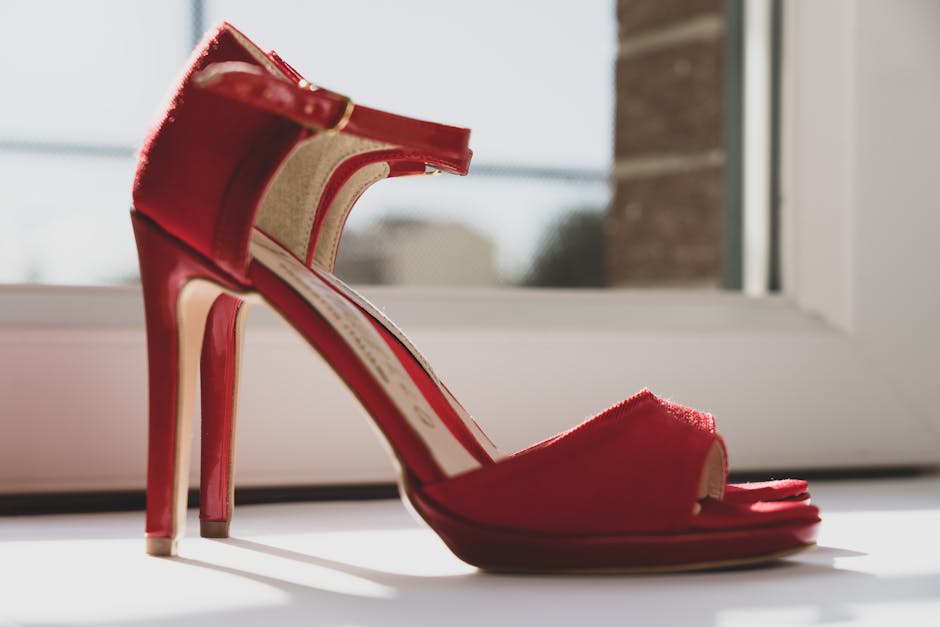
Shoe size is merely a guide. Your foot size can change, and sizing varies significantly between brands. Focus on the fit. Ensure there’s a thumb’s width between your longest toe and the end of the shoe. The ball of your foot should sit comfortably at the widest part of the shoe. Your heel should feel secure without slipping excessively. If one foot is larger than the other, always fit to the larger foot. Prioritize comfort and proper mechanics over the number printed on the box.