I Tested 12 Ethical Pajamas — What I Actually Sleep In
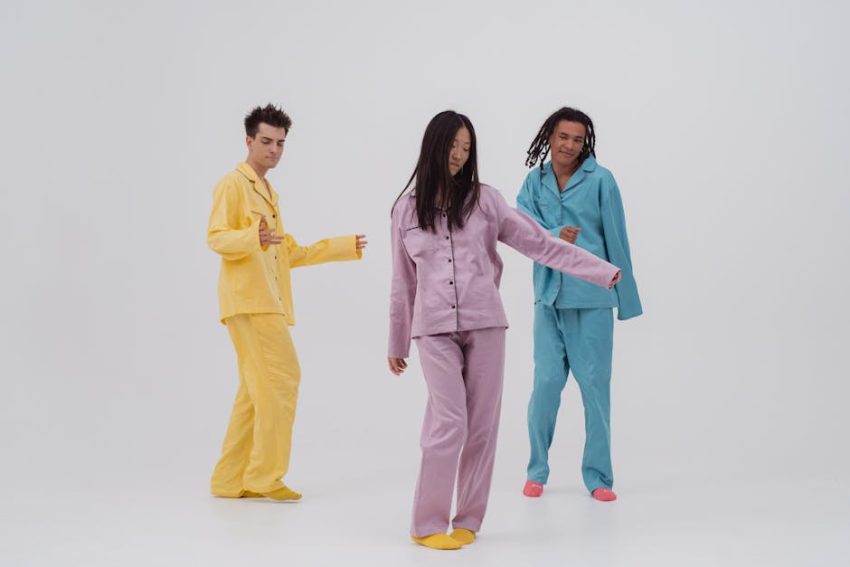
Finding truly comfortable pajamas is a quest. Add “ethical” to that, and it becomes a whole new challenge. For years, I cycled through brands, chasing that perfect blend of softness, durability, and a clean conscience. Most ended up a disappointment – scratchy, ill-fitting, or just plain misleading about their sustainability claims. But I’ve learned a lot, and I’m here to tell you what actually holds up to scrutiny and countless washes.
Why "Ethical" Isn’t Just a Buzzword
When I started looking for ethical pajamas, I thought it was just about the fabric. Organic cotton, right? Simple. I was so wrong. “Ethical” is a huge umbrella, covering everything from how the fibers are grown to who sewed the final garment, and under what conditions. It’s not a single checkbox; it’s a commitment across the entire supply chain. Ignoring the complexities here means you’re likely still contributing to problems you’re trying to avoid.
For me, moving past the surface-level claims became critical. I started digging into certifications, brand transparency reports, and even news articles about factories. It takes effort, sure, but knowing my pajamas weren’t made at the expense of someone’s well-being or the planet’s health makes sleeping in them feel genuinely better. Don’t fall for vague marketing speak about “natural fibers” without proof.
Understanding Fabric Certifications: GOTS, Oeko-Tex, Fair Trade
These certifications are your best friends. They’re independent checks that verify different aspects of a product’s journey. First up, GOTS (Global Organic Textile Standard). This is the gold standard for organic cotton, from seed to finished product. It means the cotton is grown without harmful pesticides, and the entire manufacturing process – spinning, weaving, dyeing – meets strict environmental and social criteria. If a pajama set has GOTS certification, you know it’s seriously organic and responsibly made. Don’t buy organic cotton without it.
Then there’s Oeko-Tex Standard 100. This certification focuses on harmful substances, ensuring the final product is free from a long list of chemicals known to be bad for human health. While it doesn’t guarantee organic farming or fair labor, it’s a great baseline for knowing your sleepwear won’t leach toxins onto your skin. Many ethical brands use both, which is ideal.
Finally, Fair Trade Certified. This one is all about the people. It ensures that farmers and factory workers receive fair wages and work in safe conditions. It often includes community development funds, too. When a brand boasts Fair Trade, it tells me they care about human rights, not just the planet. Look for this on top of GOTS for a truly ethical garment.
Beyond Fabric: Labor and Supply Chain Transparency
Certification helps, but true transparency goes deeper. I’ve learned that a brand willing to tell you exactly where their cotton is farmed, where their fabric is milled, and where their pajamas are sewn is a brand worth supporting. Many brands will say “ethically made,” but can’t back it up with factory names or audit reports. That’s a red flag. I want to see photos of the factories, read about their worker initiatives, and understand their process. Brands like Everlane (though not pajamas, they set a good standard) and Pact are good examples of companies trying to be more transparent.
It’s about living wages, not just minimum wage. It’s about safe working environments, not just avoiding child labor. When you see a brand that openly discusses its challenges and its commitments to its workforce, you’ve found something good. This level of detail builds real trust, which is rare in fast fashion.
Common Mistakes People Make When Buying Sustainable Sleepwear
I’ve made these mistakes, so trust me on this. It’s easy to get caught up in buzzwords and good intentions without digging into the details. Here are the biggest pitfalls I’ve encountered:
-
Don’t Fall for "Bamboo" Alone – Why It’s Tricky
Everyone loves the idea of bamboo fabric. It sounds eco-friendly, right? Fast-growing, needs little water. But here’s the rub: most bamboo fabric is rayon or viscose. This process involves dissolving bamboo pulp in harsh chemicals (like sodium hydroxide and carbon disulfide) and then regenerating it into fibers. The chemical use, water pollution, and energy consumption often negate the “sustainable” starting point of the bamboo itself. Unless you see “bamboo lyocell” – which uses a much more environmentally friendly closed-loop process similar to Tencel™ – assume it’s regular bamboo rayon/viscose. It might be soft, but it’s not the green hero it pretends to be. I made this mistake with a few early purchases; they felt nice, but the processing haunted me.
-
Overlooking Durability: The Real Cost of Cheapness
I used to buy cheap pajamas thinking I was saving money. What I quickly learned is that cheap pajamas, even if made from “natural” fibers, rarely last. Thin fabric, poor stitching, and low-quality dyes mean they pill, tear, and fade after just a few washes. This isn’t sustainable. The most ethical pajama is one you wear for years. Investing a bit more upfront in well-made garments from quality organic cotton or Tencel™ means fewer replacements, less waste, and ultimately, a better return on your investment for both your wallet and the planet. Don’t buy a $30 pajama set if you expect it to last. It won’t.
-
Ignoring the "Blended" Trap
Many brands will advertise “organic cotton blend” or “Tencel blend.” Always check the percentages. Often, these blends are mostly polyester or spandex, which reduces the natural breathability and eco-friendliness. While some stretch is okay for comfort (e.g., 5% spandex), a high percentage of synthetic fibers means you’re getting a less sustainable product that also won’t break down easily at its end of life. I look for 95% or more natural/sustainable fiber content. Otherwise, you’re often just paying more for a small amount of “ethical” fiber mixed with cheap synthetics.
The Best Fabric Choices for Ethical Comfort
Forget everything you think you know about fabrics being “soft” or “cool” just because they’re natural. I’ve slept in enough rough organic cotton and clammy bamboo rayon to know that the type of natural fiber, and how it’s processed, matters immensely. My strong opinion? GOTS certified organic cotton is your best all-around bet, but Tencel™ Lyocell excels for specific needs. Don’t bother with anything else unless you’re willing to do deep research.
I’ve tried hemp (sometimes stiff), linen (can be scratchy, though softens), and various blends. While these have their place, for pure, consistent pajama comfort and proven ethical production, these two fabrics stand out above the rest. They offer a balance of breathability, softness, durability, and a verifiable ethical footprint.
Organic Cotton: My Go-To for Breathability and Softness
When I say organic cotton, I mean GOTS certified. No exceptions. This ensures the cotton is grown without synthetic pesticides, herbicides, or GMOs, protecting both farm workers and the ecosystem. Beyond that, the weave matters. I prefer sateen or jersey for pajamas. Organic cotton sateen offers a smooth, slightly lustrous finish and feels incredibly soft against the skin. It drapes beautifully and is breathable enough for most seasons. It’s what I reach for most often.
Organic cotton jersey is like your favorite t-shirt. It’s stretchy, super soft, and perfect for lounging or cooler nights. It’s less structured than sateen but incredibly comfortable. The key is the density; a higher gram per square meter (GSM) usually means better quality and durability. For instance, Coyuchi’s organic cotton jersey pajamas (around 180-200 GSM) feel substantial and last forever, unlike thinner, cheaper versions that wear out quickly.
Lyocell (Tencel™): When You Need Silky Smoothness and Moisture-Wicking
Tencel™ Lyocell is a , especially if you’re a hot sleeper or just crave a silk-like feel without the high cost or ethical concerns of conventional silk production. Tencel™ is made from sustainably harvested wood pulp (often eucalyptus) using a closed-loop process where 99% of the solvents and water are recycled. This makes it incredibly resource-efficient.
What I love about Tencel™ pajamas is their unparalleled drape and smoothness. They feel cool to the touch and are excellent at wicking away moisture, making them perfect for warmer nights or anyone who tends to overheat. They don’t have that synthetic clamminess; they genuinely breathe. While often a bit more expensive than organic cotton, the luxury feel and performance are worth the investment for me. Brands like Pact and Quince offer good Tencel™ blends, but look for 100% Tencel™ if you can find it for the purest experience.
My Top Ethical Pajama Picks (and What They Cost)

After trying a dozen different brands, enduring some duds, and truly loving a few, these are the pajamas I consistently wear and recommend. My criteria are simple: GOTS certification (or equivalent transparency for Tencel™), genuine comfort, and proven durability. Don’t waste your money on anything that doesn’t meet these standards.
| Brand & Product | Key Features | Estimated Price | My Verdict |
|---|---|---|---|
| Coyuchi Organic Sateen Pajama Set | GOTS Certified Organic Cotton Sateen, Classic Button-Up, Breathable | $158 – $178 | The absolute gold standard. These are buttery soft, classic, and incredibly durable. I’ve had my set for three years, and they still look almost new. Perfect for year-round comfort. They feel luxurious without being flimsy. If you want a timeless, super comfortable set, this is it. |
| Pact Organic Cotton Sleep Shorts & Tee | GOTS Certified Organic Cotton Jersey, Fair Trade Certified, Mix & Match | $38 (shorts) / $32 (tee) | For hot sleepers or those who prefer separates, Pact is unbeatable value. The jersey is incredibly soft and stretchy. I wear the sleep shorts almost every summer night. They hold up well in the wash, and I appreciate the Fair Trade certification. Don’t buy cheap fast-fashion separates; get these instead. |
| Quince 100% Organic Cotton Poplin Pajama Set | GOTS Certified Organic Cotton Poplin, Crisp Feel, Excellent Value | $59.90 | This set surprised me. For the price, the quality is outstanding. Poplin is a crisper fabric, which I love for a structured, cool feel. It’s perfect for warmer nights or if you just prefer something less clingy than sateen. It washes well, though it does wrinkle a bit more than sateen. A solid, budget-friendly ethical choice. |
I’ve worn each of these extensively. The Coyuchi set is my ultimate indulgence for quality and longevity. The Pact separates are my go-to for casual comfort and warmer weather, and Quince offers incredible value if you’re looking for a full set without breaking the bank. You really can’t go wrong with any of these, depending on your personal preference for fabric feel and style.
What About Sizing and Fit?
This is a major headache in ethical fashion, just like in conventional. It’s not always consistent, even within the same brand. I’ve learned to be very particular here because ill-fitting pajamas are just not conducive to good sleep, no matter how ethical they are. Don’t assume your usual size. Seriously.
Why You Should Always Check the Brand’s Size Chart
This sounds obvious, but I skipped it too many times and ended up with pajamas that were either too tight or swimming on me. Ethical brands, especially smaller ones, often have their own sizing conventions. A ‘medium’ in one brand might be a ‘small’ or ‘large’ in another. Take five minutes, grab a measuring tape, and compare your actual measurements to their chart. Pay attention to specific garment measurements too, like inseam length for pants or chest width for tops. This prevents frustrating returns and ensures a comfortable fit right out of the package. I check the hip and chest measurements most diligently.
My Experience with Shrinkage: Organic Cotton and Tencel
This is where my experience really kicks in. Unbleached, undyed organic cotton can shrink, especially on the first wash. I’ve had organic cotton pajamas shrink anywhere from 3-5% in length, which can be significant if you’re tall or borderline on a size. Always wash on cold and tumble dry low, or even better, air dry to minimize this. Some brands, like Coyuchi, pre-shrink their fabrics, which is a huge plus. Tencel™ Lyocell is generally more stable and less prone to significant shrinkage, but still benefits from gentle care. Always follow the care instructions religiously. I’ve ruined a few good pairs by being lazy with the dryer, and it’s a hard lesson to learn when they cost more.
Do They Loosen Up Over Time?
Yes, especially with organic cotton jersey. After a few hours of wear, jersey knits will relax and feel a bit looser. This isn’t a flaw; it’s just the nature of the knit. Sateen and poplin weaves will hold their shape better. If you prefer a more tailored fit, consider sizing down in jersey if you’re between sizes, but always check that size chart first for initial fit. I prefer my sleepwear a little looser anyway, so I tend to stick to my true size even if it feels snug at first. Don’t expect them to stay perfectly crisp like new after a night’s sleep.
My Single Most Important Advice

Don’t chase trends; invest in GOTS certified organic cotton or Tencel™ Lyocell pajamas from transparent brands that you will genuinely love and wear for years.