What Years of Hunting Jeans in Kyoto Taught Me (2026)
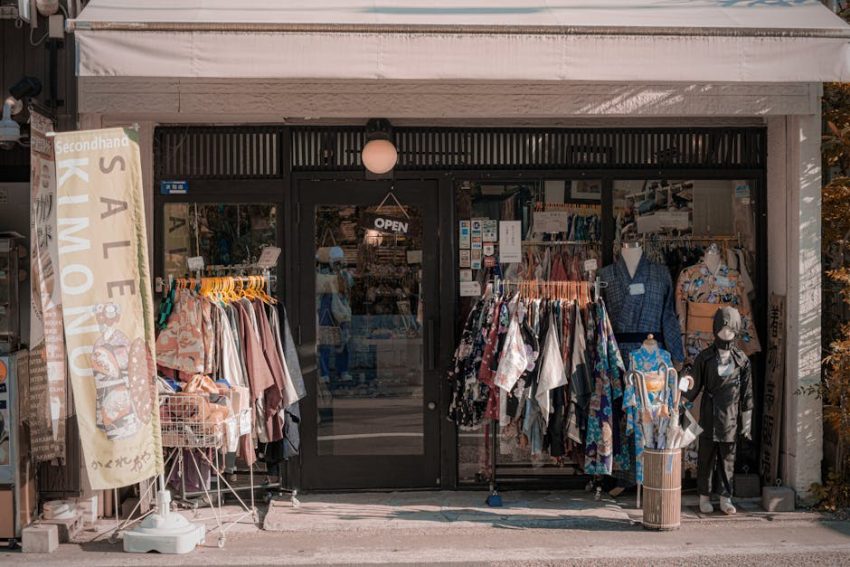
So, you’re in Kyoto, you love denim, and you’re asking the big question: where do I find the best jeans here? I get it. I’ve been there, staring at countless indigo shades, touching every fabric, trying on way too many pairs. I’ve probably bought twenty pairs of Japanese denim over the last decade, half of them from trips to Kyoto or Osaka. Most of what I’ve learned, I’ve learned the hard way. Some pairs were busts, some became absolute staples. Let me tell you straight: don’t buy that random “Kyoto denim” you see in souvenir shops. It’s usually overpriced and lacks the soul of what makes Japanese denim legendary. Get the real stuff. You’ll thank me later.
My Honest Take: Skip the Souvenir Denim, Go for Genuine Craft
Look, I’m going to be blunt. If you see a storefront pushing “Kyoto Denim” as its primary branding, especially with flashy, modern prints or tourist-trap prices (think 15,000 JPY for non-selvedge, mass-produced stuff), just walk past. I made that mistake once, early on. Thought I was getting something unique. It felt flimsy, faded weirdly, and blew out in the crotch within a year. A total waste of money. The true gems of Japanese denim aren’t about branding specific to the city itself, but about the unparalleled craftsmanship of legendary Japanese denim makers. These brands have dedicated stores or are carried by reputable multi-brand boutiques in Kyoto. They might not scream “Kyoto!” on every label, but their quality speaks volumes.
The Problem with “Kyoto Denim” Tourist Traps
Many of these so-called “Kyoto Denim” brands are novelty items. They focus on unique washes, embroidered designs, or quick fashion trends, rather than the core principles that made Japanese denim famous: incredible fabric, meticulous construction, and a fade potential that develops unique character over years. They often use lower-quality, mass-produced denim (sometimes even imported fabric) that lacks the depth, texture, and durability of proper Japanese selvedge. You’re paying for a story, not the substance. For around the same price, sometimes even less, you can get a pair from a storied brand that will last a decade.
Why True Selvedge Matters (and what it costs)
When I talk about “genuine craft,” I’m primarily talking about selvedge denim. This refers to the self-finished edge of the fabric, traditionally woven on old shuttle looms. You’ll recognize it by a clean, usually red-and-white (though sometimes other colors) stitched edge along the outseam when you cuff your jeans. This isn’t just aesthetic; it indicates a slower, more artisanal weaving process that creates denim with more character, slub, and durability. Expect to pay anywhere from 25,000 JPY ($170 USD) for an entry-level, one-wash selvedge pair from a brand like Japan Blue, up to 50,000 JPY ($340 USD) or more for heavier weight, raw selvedge from brands like Iron Heart or Samurai. It’s an investment, but it pays off in longevity and unique fading.
Decoding Japanese Denim: Fabric, Fit, and Finish Explained
Before you even think about specific brands, you need to understand the language of Japanese denim. This isn’t like buying Levi’s off the rack. There are nuances that dictate how your jeans will look, feel, and age. Getting this wrong means spending hundreds on something you won’t enjoy. I’ve bought pairs that felt amazing in the store, only to realize I hated the fit after a week, or that the fabric was too stiff for my lifestyle. Learn these basics, and you’ll make a much smarter purchase.
Raw vs. One-Wash: Your First Big Decision
This is probably the most critical choice you’ll make. Raw denim, also known as dry denim, is exactly what it sounds like: untouched, unwashed denim directly off the loom. It’s stiff, dark, and often feels like cardboard initially. This is where the magic happens for denim enthusiasts: it fades over time to reflect your unique movements and wear patterns, creating highly personalized creases and high-contrast fades. But it requires a break-in period (weeks, sometimes months) and specific care (delayed washing, cold water). One-wash denim, on the other hand, has been pre-shrunk by the manufacturer, making it softer and easier to wear from day one. It still fades beautifully, but often with less dramatic contrast than raw. If you’re new to the game, a one-wash pair is a safer, more comfortable entry point. If you’re chasing those insane, high-contrast fades, go raw.
Oz Weight and Weave: Finding Your Comfort Zone
Denim weight is measured in ounces (oz) per square yard. Most mass-market jeans are 10-12 oz. Japanese denim can range from a light 12 oz up to insane 25-32 oz monsters. My sweet spot for year-round wear in most climates is 14-16 oz. Anything lighter feels too flimsy to me for serious selvedge. Anything over 18 oz starts to feel like leg armor, great for winter or motorcycle riding, but a commitment in summer. Consider your climate and comfort level. Weave also matters: some denim has a pronounced slub (irregular texture) due to uneven yarns, like many Pure Blue Japan offerings. Others are super smooth and even, like Fullcount. Some brands, like Samurai, are known for extremely hairy, textured denim. The texture affects both the feel and the eventual fade. Don’t just look at the weight; feel the fabric for its texture. A 15 oz slubby denim feels very different from a 15 oz smooth denim.
Understanding Different Fits (and Japanese Sizing)
Japanese brands have their own takes on classic fits: slim straight, tapered, regular straight, relaxed tapered. A “slim” from one brand might be closer to a “skinny” from another. Always check the actual measurements. Japanese sizing often runs small compared to Western brands. If you’re usually a size 32 in Levi’s, you might be a 33 or even 34 in a raw Japanese denim brand. Measure your best-fitting jeans and compare them to the brand’s size chart. Pay close attention to the waist, front rise, back rise, thigh, knee, and hem opening. A higher rise can be more comfortable for daily wear, while a low rise looks slick but might feel constricting. For raw denim, remember it will stretch in the waist (up to 1-1.5 inches) but shrink in length (around an inch) after the first soak/wash. Factor this into your purchase.
The Top Japanese Denim Brands I Actually Buy (and Why)
I’ve tried almost all of them. Some are great for specific things, others are just universally solid. If you’re in Kyoto, these are the brands you should be looking for. Many can be found at multi-brand stores like Loftman Co. (which has several locations in Kyoto, including Loftman Co. B.D. and Loftman Co. EQ), or at individual brand stores.
| Brand | Key Characteristics | My Pick & Price (Approx. 2026) | Why I Recommend It |
|---|---|---|---|
| Momotaro Jeans | “Going to Battle” stripes, sanforized & raw, tight weave, clean fades. Classic fits. | 0405-SP (High Tapered, 15.7oz) – 28,000 JPY | Great entry point. Durable, consistent quality, fades well, comfortable after break-in. Their high tapered fit is perfect if you like room in the thigh but a clean taper down. They have a dedicated store near Shijo Kawaramachi. |
| Samurai Jeans | Extremely slubby, textured, heavy-weight options (17-25oz), very fast faders. Known for unique details. | S510XX (Straight, 19oz) – 35,000 JPY | If you want intense texture and crazy fades, this is your brand. The 19oz denim is a beast but fades like nothing else. They have a store, Samurai Jeans Kyoto, which is a must-visit. |
| Iron Heart | “Over-engineered for the long haul.” Heavyweight (21oz+), incredibly durable, stiff, slow faders. | IH-666S-21 (Slim Straight, 21oz) – 45,000 JPY | The best for longevity and sheer brute force. Their 21oz denim is surprisingly soft once broken in but takes forever to fade. Worth it if you want jeans that will outlast you. Harder to find dedicated stores in Kyoto, but Loftman Co. often carries them. |
| Studio D’Artisan | Classic 50s repro, “Dobby” pig logo, natural indigo, quirky details. Varied weights. | SD-107 (Slim Tapered, 15oz) – 27,000 JPY | Fantastic classic denim with a touch of playful character. Great quality, good range of fits, and often have unique special editions. Their natural indigo pieces are beautiful. Look for them at Loftman Co. |
| Kapital | Avant-garde, distressed, Boro-inspired, unique silhouettes. More fashion-forward, less pure denimhead. | Century Denim (Patchwork/Sashiko) – 35,000-60,000 JPY+ | This is for when you want something truly unique and artistic, not just a solid pair of everyday raw denim. Their Century Denim collection is incredible but definitely a statement piece. Their Kyoto store is an experience in itself. |
My clear winners often rotate, but for overall versatility and character, I always recommend starting with Momotaro Jeans. Their 0405-SP high tapered fit in 15.7oz denim is my pick for a first high-quality Japanese selvedge. It’s durable, comfortable, and develops beautiful, distinct fades without being overly aggressive. It’s also relatively easy to find in Kyoto.
Best for Durability & Heavy Duty Wear
Without a doubt, Iron Heart takes this. Their 21oz denim (the “UHR” or Ultra Heavy Raw is even thicker at 25oz) is an absolute tank. I’ve worn my IH-666S-21 through so much, and they just don’t quit. They take time to break in – I’m talking months of daily wear – but once they do, they’re surprisingly comfortable and mold to your body. Expect to pay around 45,000 JPY, but you’re buying a pair that will genuinely last a decade or more of heavy use. You likely won’t find a dedicated Iron Heart store in Kyoto, so look for them at select Loftman Co. locations or be prepared to order online from a trusted retailer.
Best for Everyday Comfort & Unique Textures
For something with incredible texture that isn’t overly heavy, I always point people towards Pure Blue Japan. Their slubby denim is famous for its “nep” and “hairy” characteristics, leading to some of the most unique high-contrast fades out there. Their XX-019 (Relaxed Tapered, 14oz) is a fantastic everyday jean, comfortable from the start, and the texture is just addictive to feel. It’s around 28,000-32,000 JPY. While they don’t have a dedicated store in Kyoto, you can often find them at multi-brand shops that focus on niche Japanese brands.
Best Value Entry Into Quality Selvedge
If you’re dipping your toes into the world of proper Japanese selvedge without breaking the bank, Japan Blue Jeans is my go-to recommendation. They’re part of the same company as Momotaro, offering fantastic quality denim at a more accessible price point. Their JB0401 (Tapered, 14.8oz) typically runs around 20,000-24,000 JPY. It’s a solid, well-constructed pair that will give you a taste of great fading without the intense break-in or cost of heavier-weight options. Look for them at Loftman Co. stores in Kyoto, or you might find them in smaller, independent boutiques.
Common Mistakes Newcomers Make Buying Denim in Kyoto

Trust me, I’ve made every single one of these. Learn from my errors, save your money, and avoid buyer’s remorse.
- Thinking “Japanese Denim” Always Means “Selvedge.”
Just because it’s made in Japan doesn’t mean it’s selvedge. Plenty of Japanese brands make fantastic non-selvedge denim, but if you’re chasing the traditional, high-craft aspect, you need to confirm it’s selvedge. Always check the outseam cuff. If it’s just a regular serged stitch, it’s not selvedge. There’s nothing inherently wrong with non-selvedge, but it’s important to know what you’re buying, especially if you’re paying a premium.
The Cost of Overlooking Selvedge
The price difference between quality non-selvedge and true selvedge can be substantial. If you’re paying 25,000 JPY or more and it’s not selvedge, you’re likely overpaying for the level of craftsmanship you could get elsewhere. Selvedge implies a specific, slower, more labor-intensive weaving process that justifies the higher price tag due to its unique character and durability.
- Ignoring the Break-In Period.
Raw selvedge denim is not comfortable out of the gate. It’s stiff. It’s rigid. It might even chafe a bit. Many newcomers buy a raw pair, wear it once, and then stick it in the closet because it feels like a torture device. That’s a huge mistake. The discomfort is temporary. Wear them as much as possible for the first few weeks – sitting, walking, even light activity. They will soften, stretch in the waist, and mold to your body. Give it time; the payoff is worth it.
Sizing for Raw Denim (and why it’s tricky)
When trying on raw denim, aim for a snug fit in the waist that you can just barely button. Remember, it will stretch. If it feels comfortable right away, it’s probably too big. For the legs, ensure they aren’t painfully tight but allow for movement. Length will shrink, so don’t hem until after your first soak/wash.
- Expecting Instant Comfort (it won’t happen).
Even one-wash selvedge, while softer than raw, won’t feel like your worn-in sweatpants. These are robust, heavy fabrics built for longevity. They require some wearing to truly become comfortable. Don’t expect buttery softness on day one. It’s a journey. Embrace it. The comfort builds over time as the denim conforms to your unique body shape and movements.
Budgeting for Chainstitch Hemming (it’s extra)
Unless you’re blessed with perfect inseam measurements, you’ll likely need your new jeans hemmed. Many dedicated denim stores in Kyoto (like Samurai Jeans) offer chainstitch hemming services, often for around 1,500-2,500 JPY. This is a specific type of stitch that creates a unique roping effect along the hem as it fades. It’s worth the extra cost for authenticity. Plan for it and don’t try to hem them yourself with a regular sewing machine if you care about the details.
My Quick Verdict for 2026: One Pair Reigns Supreme
If I could only pick one brand to buy in Kyoto in 2026 for a first-timer or a seasoned enthusiast, it would still be Momotaro Jeans. Their blend of consistent quality, iconic details, and approachable break-in makes them the best all-rounder. Find their dedicated store, try on a few fits, and you’ll walk out with a pair that will impress for years. You can’t go wrong with their 0405-SP. It’s the standard for a reason.