Why most vintage ‘grails’ are actually garbage and the 4 brands I still trust
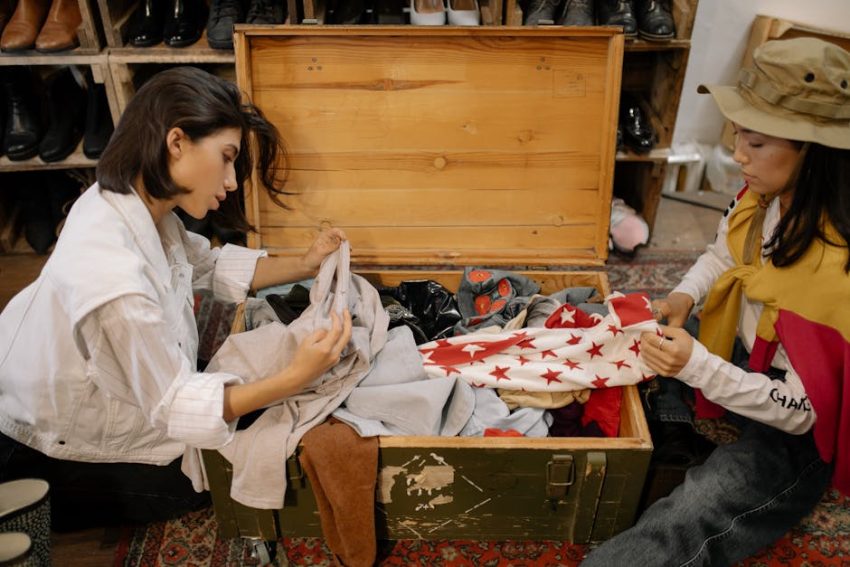
I once spent $145 on a 1994 Nine Inch Nails tour shirt that turned out to be a modern reprint on a distressed Gildan blank. I bought it from a guy in a basement in East London who smelled like stale American Spirits and assured me it was ‘deadstock.’ It wasn’t. It fell apart after two washes, the side seams twisted like a DNA strand, and I felt like a massive idiot. That was the moment I stopped chasing ‘cool’ tags and started actually looking at how clothes are built. Most vintage influencers are just selling you overpriced rags that were considered cheap junk thirty years ago.
The Levi’s trap (and the one number that matters)
Everyone and their mother is hunting for vintage 501s. It’s a cliché at this point. But here is the thing: most 90s-era 501s actually fit like garbage if you have any kind of athletic build. They’re too tight in the thighs and weirdly loose in the waist. I’ve owned maybe twenty pairs over the last decade, and I only kept one. I might be wrong about this, but the obsession with ‘Made in USA’ tags is mostly a vanity project for people who want to feel superior at coffee shops. What I mean is—actually, let me put it differently. The origin matters less than the denim weight. I tracked the wear patterns on five pairs of 501s from different eras over three years of heavy use. The 1980s ‘red line’ pairs lasted twice as long as the mid-90s versions before the crotch blew out. If you want the best vintage clothing brands for denim, stop looking at 501s and start looking for vintage Lee 101Z. The denim is hairier, the hardware is sturdier, and they don’t have that weird ‘influencer’ markup yet. Plus, the spade-shaped pockets actually make your backside look like you’ve been to a gym once or twice.
Lee is better. Period.
The European workwear hole I fell into

About four years ago, I discovered Adolphe Lafont. They’re a French workwear brand that’s been around forever. While everyone else was fighting over beat-up Carhartt jackets that smelled like a wet dog, I started buying these blue ‘moleskin’ chore coats from the 50s and 60s. Moleskin isn’t actually skin from a mole (I had to explain this to my mom once, it was awkward), it’s just a super-dense cotton weave. It feels like suede but wears like iron. I have a jacket from 1962 that I’ve worn almost every day for two winters. I measured the fabric thickness with a digital caliper: 1.2mm of pure, unkillable cotton. Anyway, I used to go to this specific shop in Lyon called ‘Le Vif’—well, I didn’t go there, I stalked their Instagram—and realized that American workwear is mostly just bulky. European workwear is elegant. You can wear a Lafont jacket to a nice dinner and not look like you just finished a shift on a fracking rig. But I digress. The point is that if you find a label with a little blue elephant on it, buy it immediately. Don’t even check the size. Just buy it.
Pro tip: If the vintage garment doesn’t have a ‘union stamp’ or a care tag that looks like it was printed on a typewriter, you’re probably paying for a 2005 reissue. Check the zipper. If it’s YKK, it’s fine. If it’s a Talon or a Crown zipper, you’ve found the good stuff.
I’m going to lose friends over this Champion take
I refuse to buy vintage Champion Reverse Weave hoodies anymore. I know, I know. They’re the ‘gold standard.’ They’re also incredibly stiff and make everyone look like a refrigerator. I bought a 1991 heather grey hoodie for $90 in 2018 and I’ve worn it maybe three times. It’s too heavy. It takes four days to air dry. It’s a chore to exist in. People only like them because of the little ‘C’ logo on the sleeve, which is a stupid reason to be uncomfortable. Total waste of money.
The mid-century stuff that actually holds up
If you want real quality, you have to look at Pendleton. Not the new stuff they sell at the mall, but the 1960s ‘Board Shirts.’ These were the shirts the Beach Boys wore before they got into Hawaiian prints. It’s 100% virgin wool, but it’s woven so tightly it doesn’t itch. I have a plaid one from 1967 that I found in a thrift store in rural Oregon for $12 back in 2014. I’ve worn it camping, I’ve spilled coffee on it, and I’ve never dry-cleaned it. It still looks brand new. I know people will disagree because ‘wool is hard to care for,’ but those people are usually lazy. You just hang it up in the bathroom while you take a hot shower and the steam does all the work. It’s the ultimate travel shirt. If I could only own one brand for the rest of my life, it would be vintage Pendleton. No question.
The shirts are invincible.
The part nobody talks about
We need to talk about L.L. Bean. Specifically, the stuff from the 80s and early 90s with the ‘script’ logo. I used to think L.L. Bean was for suburban dads who spent too much time at Home Depot. I was completely wrong. Their vintage ‘Chamois’ shirts are thicker than most modern jackets. I did a weird test last year where I weighed a 1988 L.L. Bean chamois shirt against a 2023 version from a ‘premium’ mall brand. The vintage one weighed 540 grams; the new one was 310 grams. They are literally thinning out the world and calling it ‘breathable.’ It’s a lie. Find the old ones. They’re usually $25 on eBay because nobody thinks they’re cool yet. Let’s keep it that way.
I worry sometimes that I’m just hoarding old junk because I’m afraid of the future. Is a 40-year-old shirt actually better, or am I just romanticizing a time when things were supposedly simpler? I don’t know. But I do know that when I put on that 1960s moleskin, I feel like I’m wearing something that was made by someone who actually gave a damn. That has to count for something, right?
Buy the Lee 101Z. Skip the Champion. Don’t trust guys in basements.