
6 Best Scenic Winter Drives
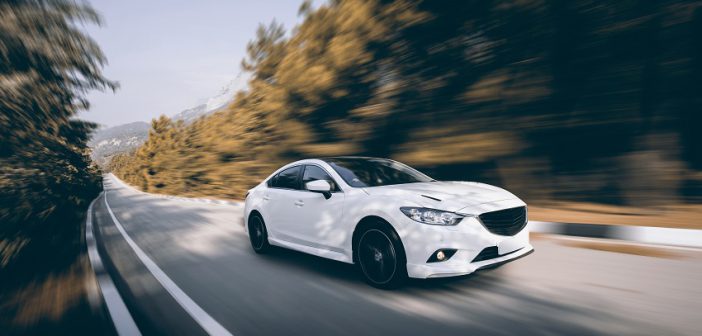
Winter driving carries real variables — black ice, elevation closures, and vehicle requirements that summer travelers never think about. But for drivers who calculate the risk correctly, these six American routes pay off in a way that no summer itinerary can replicate. Here’s the data-driven breakdown, by route.
All Six Routes at a Glance: Conditions, Risk, and Vehicle Requirements
Before committing to any route, compare the key variables side by side. Road risk reflects typical winter conditions — elevation exposure, ice frequency, and historical closure patterns — not your specific travel date. Always verify current road status through the 511 road information system or each state’s DOT website before departure. This is the same discipline an analyst applies before recommending any financial product: no current data, no confident decision.
| Route | State | Length | Max Elevation | Winter Status | Vehicle Requirement |
|---|---|---|---|---|---|
| Pacific Coast Highway (Hwy 1) | California | 655 miles | ~1,000 ft | Open year-round | Any vehicle |
| Blue Ridge Parkway | VA / NC | 469 miles | 6,047 ft | Sections close above 4,000 ft | AWD/4WD above 3,500 ft |
| Columbia River Gorge Scenic Hwy | Oregon | ~70 miles | ~1,700 ft | Open year-round, ice caution | All-season tires minimum |
| Kancamagus Highway (NH-112) | New Hampshire | 34.5 miles | 2,855 ft | Open year-round, actively plowed | AWD recommended |
| Highway 12 Scenic Byway | Utah | 123 miles | 9,600 ft | Open; chains required at elevation | 4WD with chains carried |
| Red Rock Scenic Byway (AZ-179) | Arizona | ~14 miles | ~4,500 ft | Open year-round | Any vehicle |
One coverage note most drivers skip: sliding off an icy road is typically a collision claim, while a rockfall or flood-triggered incident may fall under comprehensive. Those distinctions affect your deductible exposure. Premiums and coverage terms vary significantly by state — verify your declarations page before you leave, especially on routes like Highway 12 where tow calls average $350–600.
Pacific Coast Highway Has the Best Risk-to-Scenery Math on This List
This is the clearest recommendation . Highway 1 runs mostly at or near sea level for its 655-mile length. Snow is a non-factor for the vast majority of the route. That single variable changes the entire risk calculation.
What you gain in exchange: grey winter light turning the Pacific into something metallic and dramatic. Far fewer tourists than summer. Fog banks rolling over the Bixby Creek Bridge that make every photograph look deliberate. The elephant seal colony at Piedras Blancas, active in winter pupping season from January through February, draws crowds in warmer months but sees only scattered visitors on cold January mornings.
The 90-Mile Core Stretch Worth Your Time
Not all 655 miles deliver equal payoff. The segment from Carmel south to Morro Bay — roughly 90 miles — concentrates the most scenery per hour of driving. You pass Point Sur Lighthouse (built 1889, still operational), McWay Falls at Julia Pfeiffer Burns State Park where an 80-foot waterfall drops directly onto the beach, and the Ragged Point cliffs where the Santa Lucia Mountains fall straight into the Pacific. This stretch rewards a slow pace. Plan 4–5 hours, not 2.
The northern section from San Francisco to Bodega Bay operates on different logic: more modest visuals, but Goat Rock Beach near Jenner delivers wave action in winter storms that the summer version simply cannot match.
The Two Real Risks
First, landslides. Caltrans recorded over 20 significant slide events on the Big Sur coast between 2010 and 2026. Check the Caltrans QuickMap at quickmap.dot.ca.gov the morning of your drive through Big Sur. This is not a precaution; it’s due diligence. Road closures happen without much warning.
Second, fog. Cliffside sections with no guardrail lose their margin for error when visibility drops below 200 feet. Vehicles without functioning fog lights are taking on measurable additional risk. A 9 AM departure after coastal fog has begun lifting is a better call than a 6 AM start chasing light.
Best Window for This Drive
January through early March. Gray whale migration along the Monterey Bay coast peaks in January. Humpbacks move through in detectable numbers. Summer temperatures on this route regularly hit 75°F with crowds to match — winter costs you nothing except a jacket.
Blue Ridge Parkway: Elevation Decides Whether You Go
The honest consumer take on the Blue Ridge Parkway is this: it is not one road. It behaves as three distinct routes depending on elevation and state, and treating it as a single winter destination is how travelers end up turning around at a closed gate.
- Virginia sections (miles 0–216): Generally accessible through winter. Elevation stays mostly below 3,500 ft. No leaves means unobstructed sight lines across the Shenandoah Valley — the winter visual is arguably better than summer. Ice events occur but brief.
- North Carolina lower sections (miles 216–355): Asheville to Blowing Rock stays mostly passable. Linville Falls at mile 316.4 is the specific destination worth building a winter trip around — the 90-foot waterfall partially freezes in hard winters, creating ice formations that don’t exist any other season. The 1.6-mile round trip to the lower falls overlook is manageable with traction cleats.
- North Carolina high sections (miles 355–469): Elevation climbs to 6,047 ft at Richland Balsam. The NPS closes sections above 4,000 ft when ice or snow accumulates. Check the NPS Blue Ridge Parkway road status tool at nps.gov/blri the morning of your drive — not the night before.
Vehicle note that isn’t optional: AWD or 4WD with snow-rated tires above 3,500 ft. A front-wheel-drive sedan on standard all-season tires at 5,000 ft elevation in January is a claims event. North Carolina law does not mandate chains, but that doesn’t mean a standard passenger car is a sensible choice. A Subaru Outback or Toyota RAV4 with Michelin X-Ice tires handles the high parkway sections competently. A two-wheel-drive crossover on summer tires does not.
Columbia River Gorge Is the Pacific Northwest Winter Drive That Consistently Overdelivers
The case is straightforward: 70 miles of National Scenic Area road, 30 waterfalls accessible from the route, and several of them freeze partially in winter. Multnomah Falls — at 620 feet, the second-tallest year-round waterfall in the United States — develops ice formations at its base and on the cliff face in cold snaps. Latourell Falls, just 9 miles from Portland, ices over on its black basalt columns in January. These are not subtle effects. They are the reason winter beats summer on this drive.
Understand What Road You’re On
The historic Columbia River Gorge Scenic Highway — the 1916 original — is not I-84. It’s a two-lane road engineered for early automobiles, with tight curves built into cliff faces. Ice forms on shaded sections beneath rock overhangs that the sun never reaches in winter. Oregon DOT’s TripCheck at tripcheck.com provides live road conditions. Treat those reports as mandatory reading before departure, not a box to check afterward.
Using Portland as Your Base
Portland sits at the western terminus of the gorge. The Crown Point Vista House — elevation 733 ft, open year-round — sits 30 minutes from downtown Portland and marks the practical starting point. From Crown Point to Multnomah Falls on the historic highway is 22 miles. Half a day round-trip with stops at three or four falls is realistic. For travelers treating this as a weekend trip, Portland’s food and coffee infrastructure in the Pearl District and on Division Street is well-developed enough that the logistics are easy.
Kancamagus Highway: 34.5 Miles, No Services, and That’s the Point
For winter scenery density per mile, the Kancamagus Highway (NH-112) through New Hampshire’s White Mountain National Forest is difficult to beat. The state plows it year-round. No gas stations, no cell coverage, no services for the full 34.5 miles — which means no crowds either. The hardwood forest creates a white-and-grey panorama in January that the leaf-peeper summer version doesn’t approach. Elevation tops at 2,855 ft at Kancamagus Pass. In a normal New Hampshire winter, expect reliable snow cover from mid-November through March. Check the 511NH app for morning road conditions and carry chains if you’re in anything less than AWD. This is a half-day drive, not a scenic detour.
Highway 12 or Red Rock Byway: Two Drives, One Winter Decision
Is Highway 12 in Utah worth driving in winter?
Yes — conditionally. The Bryce Canyon to Escalante segment runs through canyon rim terrain and descends into the Grand Staircase. The specific section called the Hogback, roughly half a mile of road with sheer drop-offs on both sides, is passable in dry winter conditions with AWD and chains on board. In active snowfall, the NPS closes it and they are right to do so. The reward if conditions align: Bryce Canyon’s hoodoos under snow are one of the most visually distinctive landscapes in the American Southwest. Build flex days into any Highway 12 winter itinerary. Treat closures as probable, not exceptional.
Is the Red Rock Scenic Byway (AZ-179) a better winter alternative?
For travelers who need a guaranteed, no-drama winter drive, yes. The 14-mile AZ-179 from I-17 to Sedona passes Cathedral Rock at mile 3.1 and Courthouse Butte at mile 7.4 — red sandstone formations that photograph exceptionally in low winter light. Sedona averages a high of 55°F in January. No chains, no AWD requirement, no closures. If you’re based in Phoenix, this is a 2-hour drive each way with a near-certainty of conditions being drivable.
Which one should you actually choose?
AWD vehicle, flexible schedule, and you want dramatic scenery: Highway 12. Standard vehicle or a fixed itinerary with no room for closure delays: Red Rock Byway. These routes calibrate to different risk tolerances. Neither is the wrong answer given honest self-assessment about your vehicle and schedule.
Five Things That Turn a Scenic Winter Drive Into an Insurance Claim
These failure modes appear consistently across accident reports and roadside assistance data. Each one is preventable.
- Driving on summer tires above 3,000 ft elevation. USTMA data shows summer tires lose 30–40% of grip below 45°F. Winter-rated tires carry the three-peak mountain snowflake symbol — all-season tires do not meet that standard, regardless of marketing language. A set of Bridgestone Blizzak WS90 or Michelin X-Ice Xi3 tires runs $600–900 installed, a reasonable cost against the deductible on a single incident.
- Assuming paved NPS roads are treated roads. The National Park Service does not salt parkway roads. Blue Ridge Parkway, Bryce Canyon rim access, and sections of Highway 12 within national scenic areas are untreated. Ice accumulates and stays. This is a material distinction from state-maintained highways.
- No emergency kit. Jumper cables, a traction mat, road flares, a thermal blanket, two liters of water, and a phone charging cable weigh about 12 lbs total and assemble for under $80 from any AutoZone. The math is self-evident on a remote route.
- Skipping roadside assistance coverage verification. On remote drives where tow calls average $350–600, roadside assistance through your auto insurer or through AAA membership ($60–120 annually) is a straightforward cost-benefit decision. Verify your coverage before the drive, not while waiting on the shoulder.
- Departing during peak ice formation hours. Ice peaks between 4 and 8 AM as overnight temperature drops interact with asphalt that hasn’t absorbed any solar heat. A 9 AM departure on any mountain drive is measurably safer than a 6 AM start. This is not a timing preference — it is documented in road incident data aggregated by state DOT systems. Adjust for it accordingly.
One rental-specific note: if you’re renting a vehicle for any of these drives, verify whether the collision damage waiver excludes ice-related incidents or unpaved access roads. Many CDW agreements carry exclusions that your personal auto policy may or may not fill. Check your declarations page before declining the rental coverage. Premiums and terms vary by state and policy structure — assumptions here are where most travelers get caught.
Winter road conditions will keep improving as vehicle technology and state maintenance programs develop — but the fundamental calculus of preparation against risk on these routes will stay the same. The drives are worth it. The preparation is what makes them so.



Leave a Reply