Cashmere Sweater Vs Merino Wool: Cashmere Sweater vs. Merino Wool: Fall Warmth & Durability

Cashmere fibers can measure about 14 to 19 microns, while an extra-fine merino sweater often uses 19.5-micron wool. That tiny difference helps explain why cashmere feels softer and warmer at the same weight, while merino often survives harder daily wear. For most fall wardrobes, merino is the better all-purpose buy. Cashmere wins when you want light warmth, a polished look, and a soft layer for dry, calm weather.
Which Fiber Is Warmer in a Fall Sweater?
Warmth comes from loft, not the label alone
Cashmere wins warmth-to-weight. Its fine fibers create a soft, lofty surface that traps still air close to the body. A lightweight cashmere crewneck can feel warmer than a thin merino sweater, especially when you are sitting outside at dinner or walking through a cool venue. The warmth feels gentle rather than heavy.
Merino wins when the weather keeps changing
Merino wool has a different strength. Its crimped fibers hold air, manage moisture vapor, and help steady your body temperature as you move from a chilly sidewalk into a heated room. That makes it more comfortable for commuting, travel, and active fall days. The Woolmark fiber guide describes merino as breathable, elastic, moisture-managing, and naturally temperature regulating.
| Factor | Cashmere | Merino wool | Fall winner |
|---|---|---|---|
| Typical fine fiber range | About 14–19 microns | About 18.5–19.5 microns | Cashmere for softness |
| Warmth at low weight | High loft and insulation | Good loft with more structure | Cashmere |
| Moisture handling | Comfortable but less suited to heavy sweat | Absorbs and releases moisture vapor | Merino |
| Temperature swings | Best for calm, dry conditions | Works well across indoor and outdoor changes | Merino |
| Best use | Dressy layering and light luxury | Daily wear, travel, and active layering | Merino for versatility |
For a quiet evening, choose cashmere. For a full day with changing temperatures, choose merino.
Why Cashmere Feels Warmer at the Same Weight

Fine fibers create a soft insulating cloud
Cashmere comes from the soft undercoat of cashmere goats. The fibers are short, fine, and naturally light. When knitted into a sweater, they form a fuzzy surface and a loose layer of trapped air. Air is the real insulator. The fiber gives that air structure while keeping the garment light.
This is why a thin cashmere sweater can feel surprisingly warm under a blazer. It does not need the dense, bulky shape of a heavy wool pullover to create comfort. It also has a smooth drape that looks refined with tailored trousers, a silk skirt, or dark denim. For fall weddings and dressier outdoor dinners, cashmere usually looks more elegant than a rugged merino knit.
Warmth still depends on knit density and fit
A cheap, loose cashmere sweater is not automatically warmer than a dense merino sweater. Yarn thickness, gauge, knit tension, and the amount of fabric all matter. A lightweight cashmere crewneck with a loose neckline may lose heat faster than a close-fitting merino turtleneck. Sleeves that stop above the wrist create another opening for cold air.
Check the garment rather than trusting the fiber name. Hold the sweater toward a light source. A very open knit will feel cooler. Look at the cuffs, hem, and collar. Firm ribbing keeps warmth inside. A longer body also protects the lower back when you sit outdoors.
Cashmere is the better choice for a polished, low-activity layer because it gives the most warmth with the least bulk. It is not the best choice for a long walk in damp weather or a day that includes repeated sweating. Fine cashmere absorbs moisture, but it does not manage a wet active layer as confidently as merino.
How Merino Handles Sweat and Temperature Swings
Use merino as a moving layer
Merino wins for active fall dressing. Its fibers absorb moisture vapor and release it gradually, which helps reduce the clammy feeling that can follow a brisk walk. Merino also resists odor better than many common sweater fibers, so one well-made layer can work for a full travel day without needing an immediate wash.
- Choose a close base layer. A fine merino tee or thin long-sleeve top should sit near the skin without pulling across the shoulders.
- Add a medium-weight sweater. Look for a dense knit around 18.5 to 21 microns if softness matters. A 19.5-micron sweater gives a good balance of comfort and strength.
- Leave room for air. A jacket or coat should not crush the knit flat. Trapped air helps the layer insulate.
- Protect the sweater from abrasion. Smooth coat linings are kinder than rough canvas bags or textured straps.
Use the 15-minute comfort test
Try the sweater with the shirt and coat you plan to wear. Move your arms forward, sit down, and walk for 15 minutes if possible. A sleeve that rides up or a tight collar will make a warm fabric feel uncomfortable. Merino is the better pick when your outfit must handle a train platform, a cold ceremony, and a warm reception in the same afternoon.
Merino is not waterproof, and a saturated sweater will feel cold. For rain, add a shell or wool coat. The fiber works best as a breathable layer under weather protection, not as a substitute for a rain jacket.
Which Sweater Lasts Longer?

Merino wins the durability contest for most wardrobes. Its natural elasticity helps the fibers bend and recover during repeated wear. It is also less precious around coat belts, shoulder bags, and desk edges. Cashmere can last for years, but it needs more rotation and kinder treatment to reach that result.
What makes merino more resilient
Merino fibers have a spring-like structure. That helps a well-made sweater recover after stretching at the elbows or cuffs. Dense knitting also keeps the surface stable. Look for reinforced seams, firm ribbing, and a fabric that returns to shape after a gentle stretch.
What makes cashmere last
Cashmere quality varies widely. A tightly knitted, well-finished sweater can age beautifully and become softer with careful washing. A thin, loosely spun sweater can pill quickly under a bag strap. The Cashmere and Camel Hair Manufacturers Institute buying guide suggests rubbing the surface lightly to check for loose pills and stretching the body gently to see if it returns to shape.
For a single sweater worn twice a week, merino is the safer investment. For a smaller wardrobe with careful rotation, cashmere can deliver more luxury per ounce. The fiber does not decide the whole result. Construction, finishing, and care decide how long the garment looks good.
Mistakes That Ruin Fine Wool Sweaters
Do not buy softness without checking construction
- Do not judge quality by touch alone. Very soft cashmere can contain short fibers that pill quickly. Inspect the knit, seams, and recovery.
- Do not choose a loose size for layering by default. Extra fabric can stretch at the shoulders and create friction under a coat.
- Do not ignore the care label. A sweater marked hand wash only needs a realistic place to dry flat.
- Do not wear the same sweater on consecutive days. Resting lets the fibers recover and gives moisture time to leave the fabric.
Do not confuse pilling with instant failure
Small pills often form where fabric rubs. Underarms, side seams, and the area beneath a shoulder bag deserve extra attention. Remove pills with a sweater comb or a gentle depiller. Do not pull them by hand, because that can draw out good fibers and enlarge the problem.
Do not wash with heat or force
Hot water, high agitation, and a heated dryer can shrink or distort wool. Turn the sweater inside out, use cool water and a wool detergent, press out water with a towel, and dry it flat. Never hang a wet knit from the shoulders. Gravity can lengthen the body while it dries.
The best buying decision starts with honest care expectations. If you want a sweater that can handle frequent machine washing, look for a product specifically labeled machine washable. If you are not willing to follow a gentle routine, merino is usually the less stressful choice.
The Best Fall Sweater Picks at Four Price Points
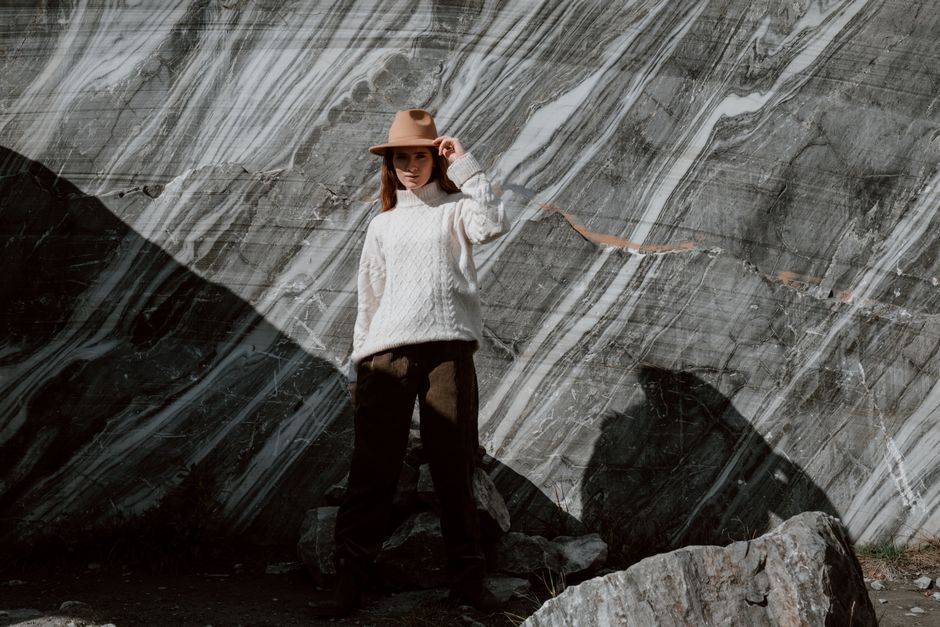
These examples show how fiber, construction, and price work together. Prices can change with promotions, so treat them as current reference points rather than permanent promises.
| Sweater | Fiber and detail | Listed price checked | Best use |
|---|---|---|---|
| Quince Mongolian Cashmere Crewneck | 100% Grade-A Mongolian cashmere; classic crewneck | $50 sale; $148 traditional retail | Best cashmere value |
| UNIQLO Extra Fine Merino Crew Neck Sweater | 19.5-micron extra-fine merino; anti-pill processing | About $35–$40 | Best everyday budget layer |
| J.Crew Cashmere Classic-fit Crewneck | 100% cashmere; classic fit; 23.5-inch body length in one listed size | $148 sale; $198 regular price | Best polished wardrobe staple |
| Quince Australian Merino Wool Oversized Turtleneck | 100% Australian merino; 19.5-micron fiber; 5-gauge knit | $69.90 sale; $168 traditional retail | Best warm merino statement layer |
Best value: Quince Mongolian Cashmere
Choose the Quince Mongolian Cashmere Crewneck if you want the softest feel for a relatively low entry price. Its classic shape works with jeans and tailored bottoms, but treat it as a rotation piece. The low sale price makes it attractive, yet careful washing and protection from rough straps still matter.
Best daily layer: UNIQLO Extra Fine Merino
The UNIQLO Extra Fine Merino Crew Neck is the practical winner. Its 19.5-micron wool feels smoother than traditional coarse wool, and the slim profile layers easily under a jacket. Pick it for commuting, office wear, and travel when you want one sweater to handle repeated use.
Best dressy choices: J.Crew or Quince turtleneck
J.Crew’s Cashmere Classic-fit Crewneck is the better choice for a refined, simple outfit. The Quince Australian Merino Wool Oversized Turtleneck is the better choice for stronger fall warmth and a more relaxed silhouette. For one special cashmere purchase, choose J.Crew. For a sweater that needs to work hard outdoors, choose the merino turtleneck.
Cashmere vs. Merino Wool: Questions Shoppers Still Ask
Is cashmere warmer than merino wool?
At the same weight, cashmere usually feels warmer because its fine fibers create soft loft. A thick merino sweater can still be warmer overall because it uses more yarn and creates a denser barrier. For a lightweight dressy layer, cashmere wins. For changing fall weather, merino gives more reliable comfort.
Which sweater is less likely to pill?
Merino is usually the safer choice for frequent wear, but fiber length and knit quality matter more than the label alone. Low-quality cashmere with short fibers can pill quickly. A dense cashmere knit from a trusted maker can last well when rotated and washed gently. Avoid loose, fuzzy surfaces that shed pills during a light rub.
Should you buy cashmere or merino for a fall wedding?
Choose cashmere for an indoor or mostly seated wedding where softness and polish matter most. Choose merino for an outdoor ceremony, travel-heavy schedule, or venue with major temperature changes. The clearest all-around pick is a fine merino crewneck under a structured coat. It keeps the outfit sharp while giving you more room to move.
Cashmere will remain the lightweight luxury choice, but merino is becoming the stronger foundation for versatile fall wardrobes. The best sweater is not the one with the most prestigious fiber name. It is the one whose warmth, care routine, and durability match the way you actually dress.